Author: Chanel Harmon

  • How’s Your Drone Service Provider At Crew Management?

    How’s Your Drone Service Provider At Crew Management?

    How’s Your Drone Service Provider At Crew Management?

    How do you know if your drone service provider is good at crew management? Crew Resource Management is terminology by the FAA to describe the management of multiple people in a crew. (FYI: The FAA uses a lot of acronyms but they save time so you’ll have extra time to read this article. LOL)

    CRM (crew resource management) focuses on a drone pilot operating in crew environments and managing his or her crew safely and efficiently.

    What Makes a Great Remote Pilot In Command Leader?

    When the RPIC (Remote Pilot-In-Command) is working with others during a flight mission and has crew members that are helping, it’s about making sure that everybody knows exactly what they’re doing.  All crew members know the method of operation for that proposed flight. The RPIC is taking in all the circumstances pertinent to that flight mission. That includes weather, hazards, rules, regulations, etc.

    The FAA.gov document called AC 107-2 – Small Unmanned Aircraft Systems (sUAS) states,

    “ A remote PIC uses many different resources to safely operate an sUAS and needs to be able to manage these resources effectively.’ …’ Therefore, a remote PIC must be able to function in a team environment and maximize team performance. This skill set includes situational awareness, proper allocation of tasks to individuals, and avoidance of work overloads in self and in others. And effectively communicating with other members of the crew, such as VOs and persons manipulating the controls of an sUAS.”
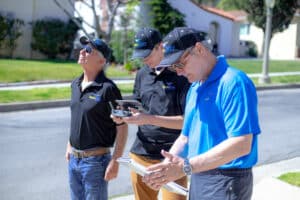
    Image of Crew Shoot X
    Drone Pilot-in-Charge and Crew

    Who’s Responsible For Everything?

    Basically, the RPIC is. He or she is responsible for the crews’ actions and safety (crew, civilians, property), etc.  Furthermore, it’s up to the RPIC to get the mission accomplished on time and within client specifications.  If the RPIC does not ensure good CRM, the FAA can fine or even revoke the RPIC’s license. And the RPIC would be held liable for any damages incurred. Adherence to good crew resource principles ensures the client’s needs are met, the risk is minimized, and the task is completed safely and efficiently. The RPIC must be a good team leader.

    Who’s On The Crew?

    Usually at least a VO. The VO (Visual Observer) helps the RPIC (Remote Pilot-In-Command) have a second pair of eyes. The VO aids the RPIC to avoid obstacles and hazards not only for the drone but also for the drone pilot as well.

    What Helps the Crew to be Successful?

    The RPIC needs to communicate clearly with their VO and everyone on their crew. The use of two-way radios can help with this. For example, if the VO or crew is stationed farther away not in earshot. Additionally, walkie-talkies can help if the mission is in a high-traffic and/or noisy location. During the mission communication is key.  But that communication should begin even before the mission begins. All on the crew need to be well briefed by the RPIC beforehand so they each clearly know what their roles and responsibilities are. This way all can safely and efficiently contribute to the success of the mission. A great RPIC makes the best use of his or her crew and allows each crew member to give input. An excellent RPIC knows how to highlight each crew member’s strengths to create an atmosphere of safety and excellence. Good crew resource management means a crew and the remote pilot in command are better together than just a remote pilot alone.

    Image of Exceeding Standards
    Drone Pilots at Construction Site

    Why It’s Important to Hire The Best Drone Service Provider

    When considering hiring a drone service provider make sure they are good crew managers. If not you could be putting yourself at risk. Crews that are not properly managed by their RPIC could cause severe damage and set a project way back. Save time and money and have peace of mind knowing the drone service provider you are hiring uses good CRM. He knows what to do and so does his crew. The best drone service provider knows how to manage their crew in such a way that will mitigate risks, and liability, and ensure the project is completed safely and on schedule.

    When you hire a great drone service provider you’re also hiring a great RPIC that knows how to utilize great CRM. So hire one ASAP.

    From The Editor:

    Do you need to hire a professional drone service provider?  To speak to an aerial data specialist, fill out a form, email us or for even faster response times, give us a call at (833) FLY-4YOU or (833) 359-4968.  Check out our transparent pricing at Drone Photography Pricing and watch this space as we expand on the above topics and more over the coming weeks and months.  If you like this post, feel free to click the share button at the bottom of the page.  We appreciate you helping us by spreading the content we share on our blog.
  • Does Your Drone Service Provider Incorporate Safety Procedures?

    Does Your Drone Service Provider Incorporate Safety Procedures?

    How risky is it to hire just any drone service provider?

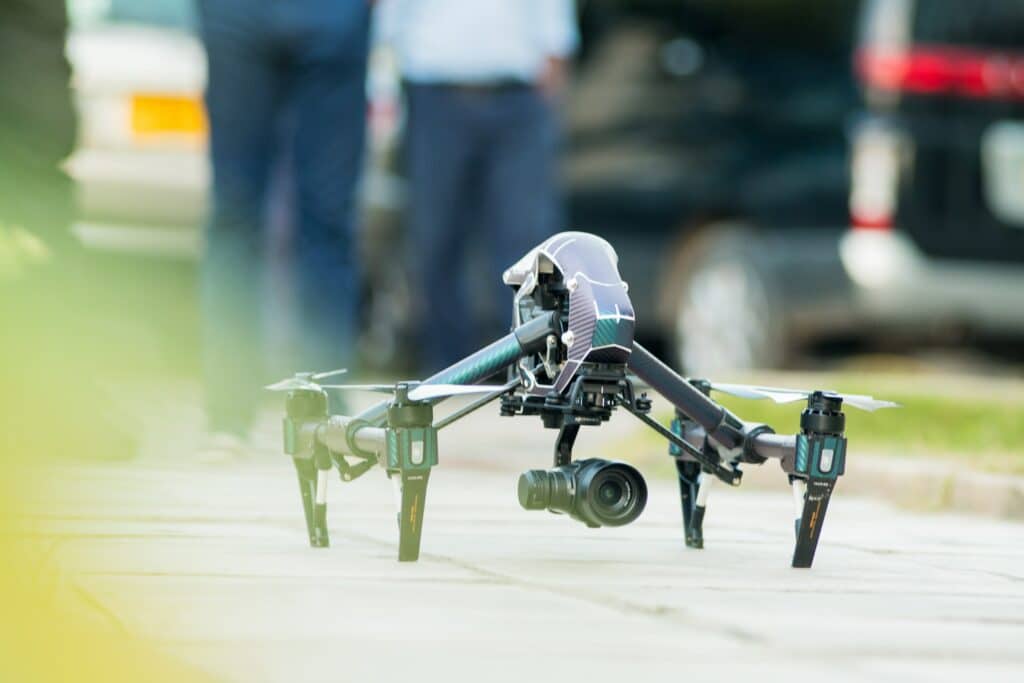
    Drones have the potential to be dangerous. When used inappropriately, drones can pose a threat to personal safety, both to that of the pilot and bystanders, as well as damage to property. Drones can cause injuries because of their quick movements, rotating parts, and edges. Injuries may happen not just to the user, but to anyone else in the area. But, when flown with care and caution, with their intended use, and in adherence to safety regulations, and good standard operating procedures, drones can be flown safely.  These are just a few of the reasons why your drone service provider must incorporate safety procedures.

    In addition, your drone service provider must follow a detailed procedural checklist that can help reduce risk and prioritize safe operations for every flight. The Standard Operating Procedure (SOP) for a reputable drone service provider will address not only best practices for the Remote Pilot in Command (RPIC) to follow during the flight but also pre-flight and post-flight protocols to ensure the highest level of safety.

    Image of Pexels K Photos X

    What should a drone service provider do before takeoff?

    Even small, lightweight drones require regular upkeep. Batteries can fail to hold a charge, propellers can become damaged or loose, the drone can develop cracks, the gimbal can get stuck, etc. A comprehensive preflight checklist will require a Remote Pilot In Command to inspect all equipment carefully, batteries are fully charged, and the latest firmware updates have been installed for the drone, controllers, and monitors. And it’s best if it’s safely flight-tested before the mission.

    Depending on the nature and location of the work, many drone service providers also complete a pre-flight report. This might include information about the type of project, altitude to be flown, and planned flight time, as well as contact information for the landowner or emergency services, and the closest airport. Regardless of whether a pre-flight report is used, the RPIC should assess the winds and other weather conditions prior to leaving for the mission to confirm that the weather is conducive to flight.
    Once at the mission location, the RPIC should communicate the flight plan to any members of the flight crew, such as a visual observer, and note any potential obstacles or restricted areas. As part of the flight plan, the pilot should establish not only the designated locations for take-off and landing but also an area for an emergency landing, if needed.

    What does a safe drone service provider do during a flight?

    After takeoff and before commencing the planned flight mission, the pilot should verify that all systems are a go, confirm active satellite and GPS connections, and double-check that the batteries still indicate a full charge. If a visual observer is present, they should verify that they have the drone in sight. Before landing, the RPIC should scan the landing area for potential obstacles and communicate any concerns, including elevated wind speeds, to the visual observer. As soon as the drone is on the ground, the aircraft should be powered down to avoid potential injury from the propellers or accidental takeoff.

    What does a great drone service provider do post-flight?

    Running through a detailed checklist after flying a mission can help promote safe and efficient operations for the next flight. Before packing up the drone and other equipment, the RPIC should review the mission notes to confirm that all objectives were met, and verify the image data was captured successfully while transferring to a laptop or other storage device. Assuming the mission is complete, batteries and camera equipment should be removed and stored safely, and the aircraft inspected for noticeable wear or damage. This also may be an appropriate time to update flight and battery logs.
    A comprehensive SOP will also address issues like training, emergency procedures, and accident reporting, among other protocols.

    Before hiring a drone service provider, vet them by asking about their SOP. Although small in size, drones occupy the same airspace as traditional aircraft, and drone pilots must follow stringent guidelines established by the FAA. Creating a set of best practices as an additional reference can ensure that drone missions go smoothly, and help protect you, the drone service provider, and the public at large.

    RPIC should utilize the checklist to ensure the highest level of safety. At a minimum, this pre-flight checklist should contain the following:


    1. Required documentation, Pilots Certificate, Required Waivers and/or Permits, Drone Registration,
    UAS Flight Manual, Proof of Insurance.
    2. Weather conditions suitable.
    3. Check the drone for cracks and check all screws are tight.
    4. Propeller(s)/Rotor(s) not damaged and tightly fixed.
    5. Propulsion system mounting(s) secure.
    6. Batteries fully charged and securely mounted.
    7. Communications (datalink) check.
    8. Ensure the GPS module (if any) has GPS “fix.”
    9. Check the mission flight plan.
    10. “Return Home” and/or “Emergency Landing” locations (if supported by the particular UAS) are
    selected, located appropriately, and loaded to the GCS and aircraft.
    11. Ensure sensors are calibrated and that the right setting is loaded.
    12. Complete flight crew briefing.
    13. Ensure the launch site is free of obstacles.
    14. Recheck wind direction before launch.
    15. Confirm the phone number for the nearest Air Traffic Control facility in event of an emergency.

    When considering hiring a drone service provider make sure they adhere to good safety procedures and protocols.

    If not, you could be putting yourself at risk. An unsafe RPIC could cause severe damage and set a project way back. Save time and money and have peace of mind knowing the drone service provider you are hiring knows how to properly follow FAA rules and regulations and ensures safety first. And a good drone service provider knows how to manage their crew in such a way that will mitigate risks, and liability, and ensure the project is completed safely and on schedule. When you hire a great drone service provider you’re also hiring a great RPIC that has a proven safety record.

    From The Editor:

    Do you need to hire a professional drone service provider?  To speak to an aerial data specialist, fill out a form, email us or for even faster response times, give us a call at (833) FLY-4YOU or (833) 359-4968.  Check out our transparent pricing at Drone Photography Pricing and watch this space as we expand on the above topics and more over the coming weeks and months.  If you like this post, feel free to click the share button at the bottom of the page.  We appreciate you helping us by spreading the content we share on our blog.
     

  • 12 Qualities of an Excellent Drone Service Provider

    12 Qualities of an Excellent Drone Service Provider

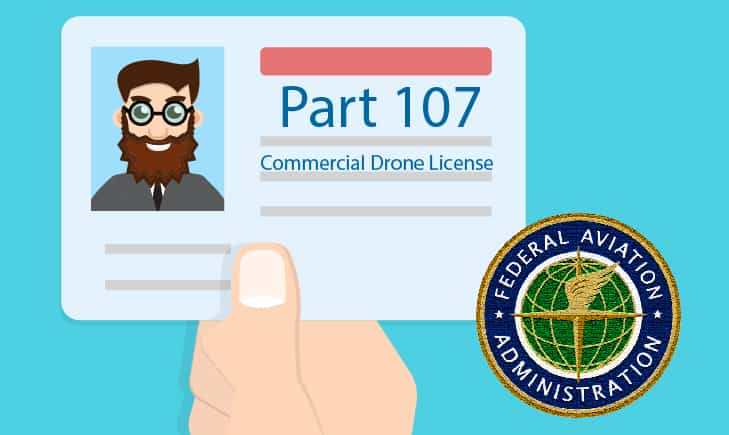
    With the recent growth of unmanned aircraft into the commercial drone sector, many companies have found themselves in the position of needing to create new jobs for FAA Part 107 Certificated Remote Pilots. Considering the relative infancy of commercial small Unmanned Aircraft Systems (sUAS) operations, this has created a limited, yet rapidly growing pool of applicants that all share one basic qualification – an FAA airman certificate or “drone pilot license.”

    Image of Part License
              FAA Part 107 License

    A drone pilot license to fly a sUAS under Part 107 of the Federal Aviation Regulations (FARs) does not take much time to obtain. This typically requires that the applicant be 16 years of age or older and able to pass a 60 question, multiple-choice exam, known as the Part 107 exam. As a result, many employers are now left wondering, what other qualities and experience should we be looking for in a commercial drone service provider?

    In no particular order, here are 12 of the most important qualities of a drone service provider:

    Detail Oriented

    A commercial drone pilot needs to be detail oriented. To be a safe sUAS pilot, an individual should use checklists, create safety procedures, and be very alert to changes in weather or situational safety. The equipment also requires a tremendous amount of time and effort to keep the drone and the software maintained. A person who skips steps and cuts corners is not likely to be a very effective and safe commercial drone pilot.

    Image of Mdr Shoot X
    Situational awareness means being Prepared, Organized and Alert

    Socially Skilled

    Drone pilots are constantly approached by the public and asked questions about their equipment, how to fly, and what they are doing. Drone service providers must learn to be comfortable in a situation where people are watching them complete a difficult task and bombarding them with questions. That may require a friendly yet tactful response (said with a smile) such as, “I’d love to answer your questions and show you my footage, but due to safety reasons I can’t talk while I’m flying so let’s talk after I land in a few minutes.”

    Cool, Calm and Collected

    Not only are interruptions from the public and performing in front of an audience challenging, there are other conditions that can also cause flying a drone to be stressful. Many things can go wrong when flying a drone. Firmware updates, wind, rain, snow, extreme cold, extreme heat, fog and the like can cause hardware, software and drone malfunctions. Not to mention other hazards like aggressive angry birds, air traffic, ground traffic, advisories from the air traffic control tower, restricted airspaces, geo fences, etc. are among the many obstacles a drone service provider must navigate while remaining cool, calm, and collected to stay safe and complete the mission in the best way possible. Even if everything goes wrong, they stay composed, especially in front of the client.

    Disciplined

    A commercial drone pilot needs to be able to fully understand and comprehend the consequences of their actions. A drone is considered an aircraft by the FAA. An excellent drone service provider does not break the rules or cut corners and takes the time to consider the consequences. A drone pilot that breaks FAA laws and/or regulations will be subject to fines and/or possibly have their license revoked. 

    Punctual

    In many instances, an aerial image is being collected to gather data or an image at a specific point in time. A safe drone service provider will arrive on site early enough to conduct a thorough site survey and weather assessment, scout the area, identify potential hazards, and test their equipment, and other important safety procedures. If a drone pilot arrives late to the site, they could rush through important steps and be more likely to cause an accident.

    Image of Mdr Shoot X
    Pilots often perform simple test flights prior to the actual mission

    Organized

    To fully maintain procedural discipline and to gain the utmost levels of safety and consistency in performance under a range of both normal and challenging conditions, many drone service providers will meticulously create a plan for each mission as well as a plan to maintain, organize, label, and store their equipment.

    Humility

    Flying a drone can include many costly risks. Companies need to protect themselves by ensuring that their drone service providers are competent, safe, extensively trained, licensed, and insured. A pilot who thinks him or herself invincible and above the law will be more likely to cause an accident or damage. A good drone service provider will understand that accidents are possible and will not overestimate their abilities, take necessary precautions, but still be confident enough to successfully conduct a mission. Or if conditions are too unsafe or hazardous to complete the mission, they will humbly call off the mission.

    Dedicated

    The sUAS industry is still in its infancy and evolving rapidly. Dedicated drone service providers are ready and willing to seek and give help, build, and strengthen their drone community, and continuously learn, hone skills, and refine their craft. They are passionately involved and enjoy the fast-moving speed of this new tech and art form. 

    Inquiring 

    Much like the autonomous drones they fly, good drone service providers are data collectors. They inquisitively ask questions to gain perspective on a situation. Part of being a good drone service provider is being able to assess a flight location, gather information on a variety of factors, and make final decisions related to the specifics of the appropriate plan. A drone service provider that takes the time to properly prep and gather relevant information has a much better chance of conducting safe and successful missions. Good drone service provider often asks the client a lot of questions during an interview. By nature, they are curious and prefer to gather information to paint a clearer perspective of the bigger picture, like a bird’s eye drone view. 

    Image of Glendale Rc Field Scaled
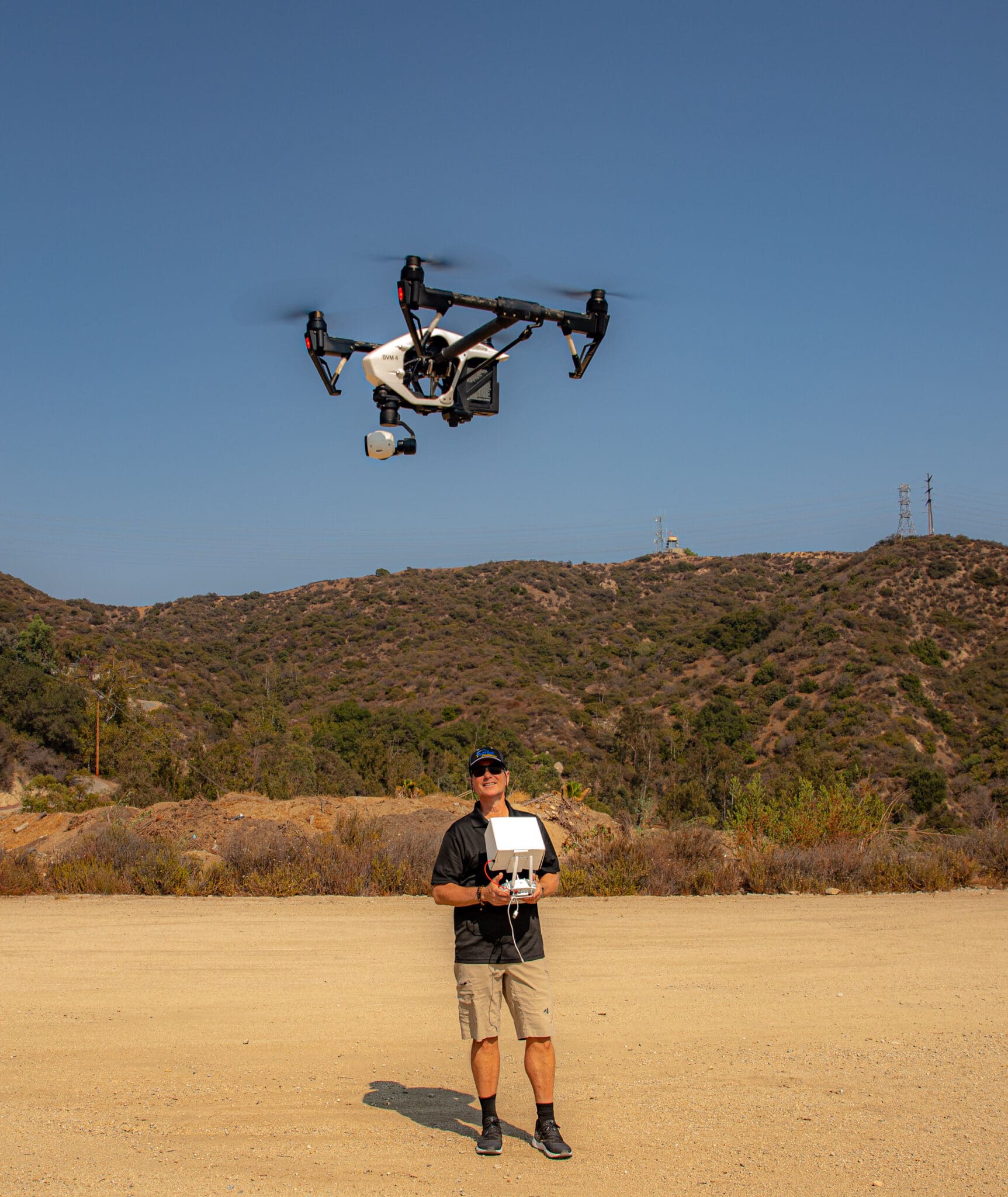
    Drone service providers are professionals who are experts at operating different types of drones

    Situational and Self Awareness

    Excellent drone service providers modestly know their strengths, weaknesses, and personal limits. They will also possess situational awareness and be able to analyze a situation and know when not to fly. When the pressure is on to conduct a flight, a discerning drone service provider focused on safety will be able to call off the mission and explain why.

    Team Leader

    A good drone service provider must understand their position as the Remote Pilot in Command (RPIC). The RPIC is ultimately the decision maker and is held responsible by the FAA for any decisions that they or their crew carry out. Knowing how to manage the crew, make proper decisions and when to set limitations or boundaries on a mission is key. A great drone service provider must have the ability to step up as the leader and guide their crew to completing a safe mission.

    Integrity and Professionalism

    Above all an excellent drone service provider will uphold the highest standards of honesty, integrity, quality, hard work, courtesy, and professionalism. The client of a drone service provider of this caliber will breathe easier knowing they are taken care of, and they will have not only the highest quality valuable assets, but also a safe and enjoyable experience.

    From The Editor:

    Do you need to hire a professional drone service provider?  To speak to an aerial data specialist, fill out a form, email us or for even faster response times, give us a call at (833) FLY-4YOU or (833) 359-4968.  Check out our transparent pricing at Drone Photography Pricing and watch this space as we expand on the above topics and more over the coming weeks and months.  If you like this post, feel free to click the share button at the bottom of the page.  We appreciate you helping us by spreading the content we share on our blog.
  • 5 Benefits of Multi-Drone Availability from Your Drone Service Provider

    5 Benefits of Multi-Drone Availability from Your Drone Service Provider

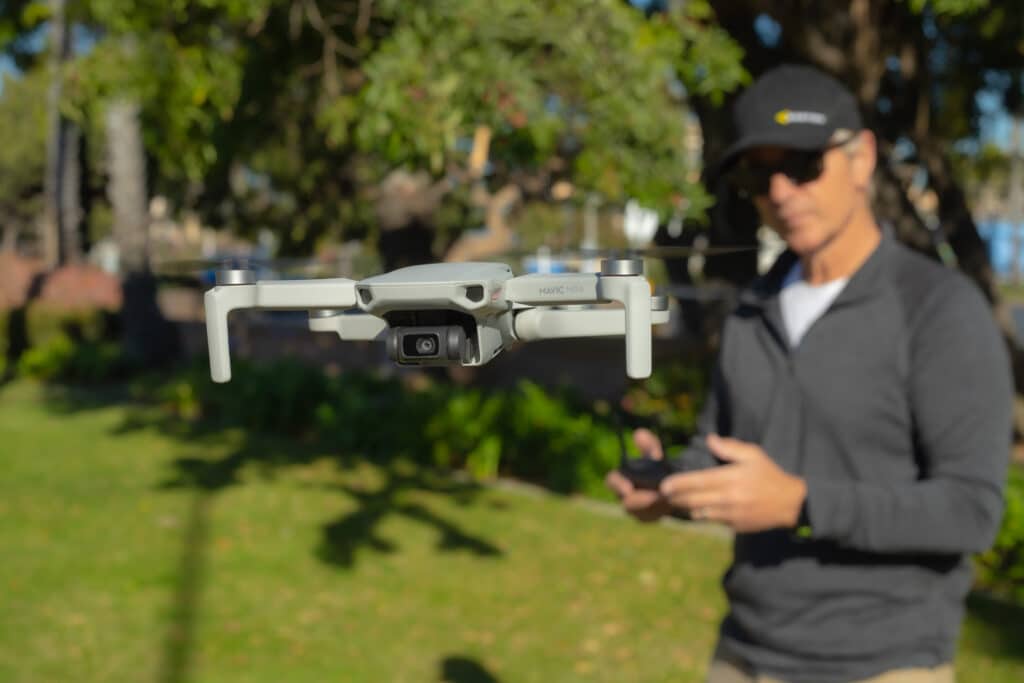
    From mini drones that are smaller than your phone to larger, beefier quadcopters, different drones have different flight characteristics, and because of their size, some of them might be unsuitable in certain situations. Therefore, drone service providers know having a fleet of multiple drones is best to get the job done right. The first time.

    Image of Pexels Photo
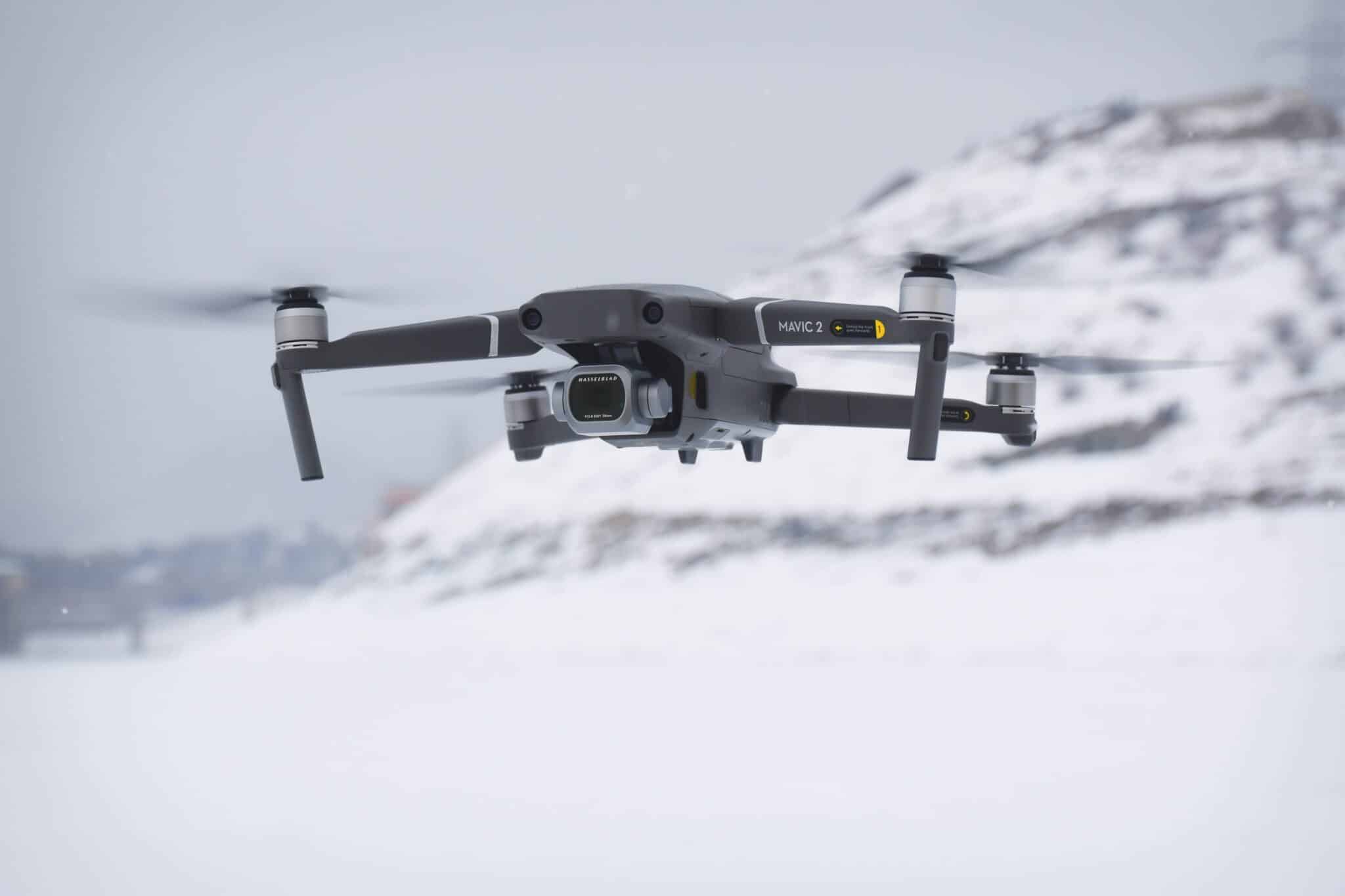
    Drone Service Provider UAS Fleet

    Reason number one: Accidents happen.

    Good drone service providers prepare for the unexpected and anticipate hazards like trees, power lines, birds, air traffic, wind speeds, weather conditions, construction hazards, and the like.

    But even the most skilled, experienced, and cautious drone pilots have dealt with simply being human, and human error, in a split second, could cause the well-prepped drone they brought on-site to suddenly not operate.

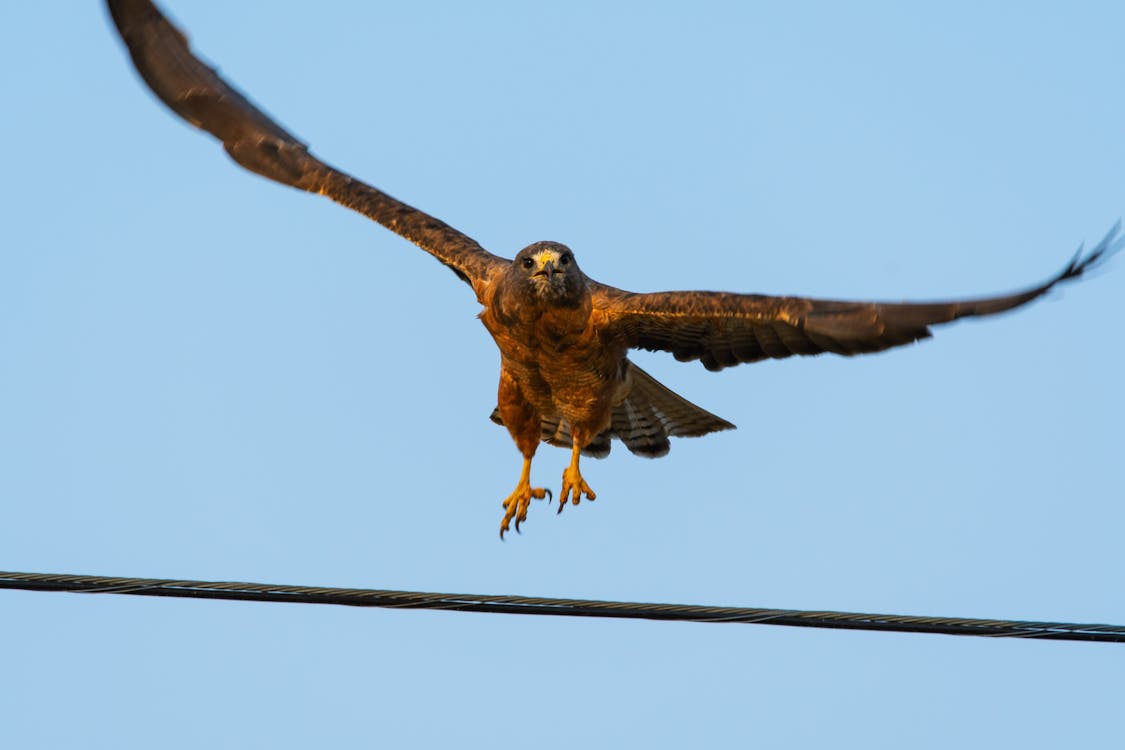
    Or a gust of wind, angry birds (not the cute ones, think sniper seagull or Incredible Hulk Hawk), or even a solar flare can wreak havoc on drone technology. So that’s why it’s always good to have a backup! Just in case.Image of Pexels Photo

    Image of Pexels Photo
    Drone Service Provider Airborne UAS

    Image of Pexels Photo
    Drone Service Provider UAS Silhouette

    Reason number two: Technical difficulties happen.

    Comparable to the reason stated above, not only are people imperfect so is technology. Firmware updates, corrupted SD cards, a gimbal that decides to suddenly not rotate properly, props that may not cooperate, dust particles or water particles, or for whatever reason a bug, literal or virtual, appears and a trusty drone can just simply decide not to work. So before a drone service provider is tempted to open up their drone and start trying to fix it and thereby void the warranty from the manufacturer and spend precious time trying to troubleshoot, drone pilots can simply use their secondary backup drone instead until they can get their primary drone sent in for repairs by the experts.

    Then there’s the backup option if you need it in case one is already down for repair.

    Reason number three: It’s better to have more footage than you need than not enough.

    Image of Pexels Photo
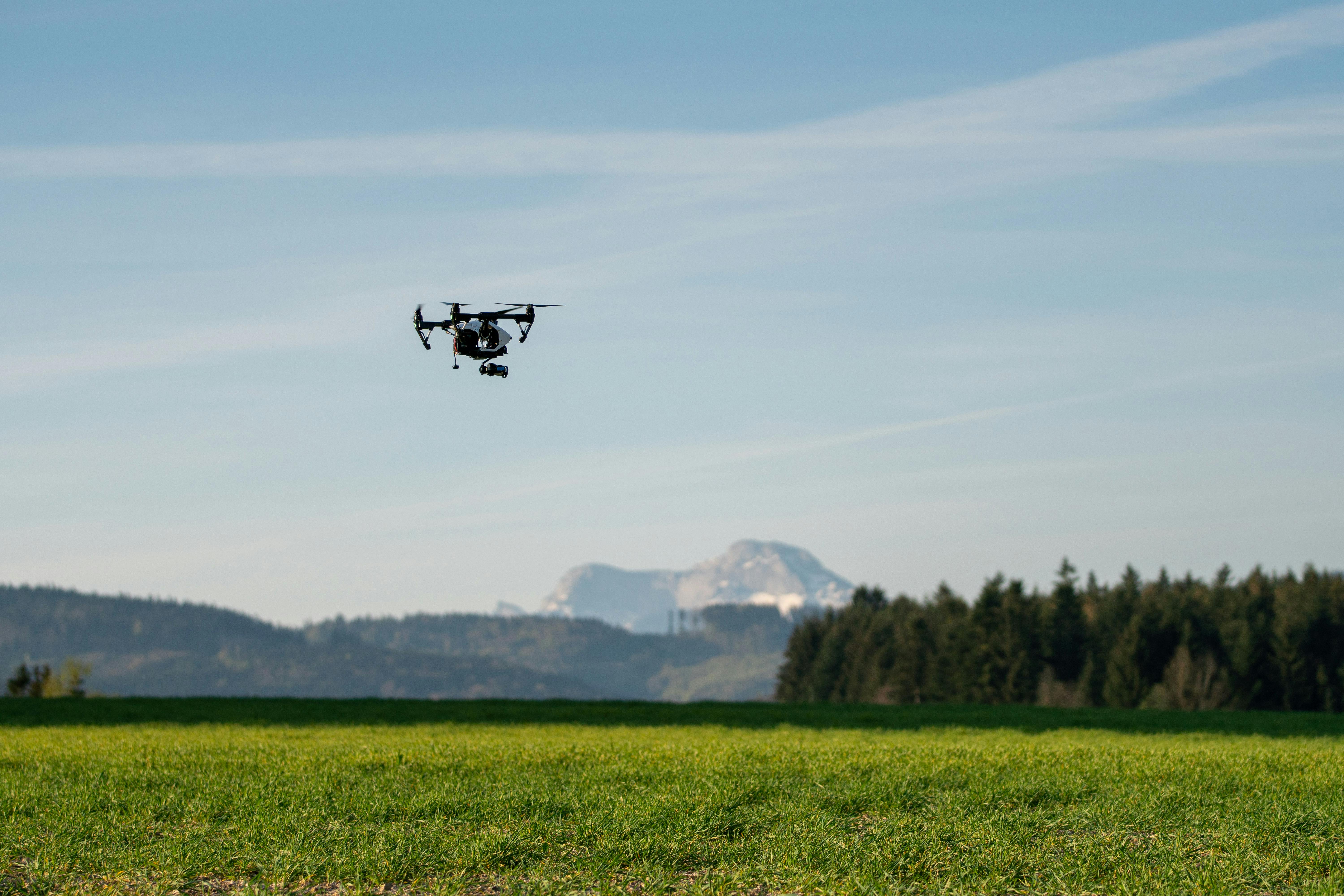
    Drone Service Provider UAS Over Field

    Picture the scenario: Drone service providers often drive for miles and many hours to a remote shoot location and after the end of a long day once they have returned home realizes they’ve missed several crucial pieces of footage the client needed. Or, as was mentioned in the previously listed reasons, the only equipment brought failed so they couldn’t get all the footage that was needed. Either way, it requires another day’s worth of work and more time and expense. This problem could’ve been solved with two different drones for the same mission.

    Reason number four: Kill one bird with two stones.

    Not exactly how the saying goes. Also, it’s not my favorite expression because I love birds and especially drone “birds”. And I don’t kill birds. Not even then the vengeful ones that dive-bomb and attack friendly drones. But the point is: that the task will be accomplished more efficiently, thoroughly, and faster because your drone service provider arrived with more than enough gear to get the job done. I don’t always say always…but…Always have a backup; always have a backup plan if you run into an issue; and always have a backup cord and so on.

    And this brings me to my last reason…

    Reason number five: More than one tool for more than one application to get the job done.

    Each mission is different. One might require basic listing shots for a realtor’s residential home listing. Another might require mapping and/or surveying of a roof for a commercial building for a 2D ortho map. Or maybe a combination. So these require different applications and different drones that work with those applications.  Drone service providers believe in being fully equipped means being ready to get any required job done.

    The climate is a factor as well.  Because some drones perform better in poorer weather conditions such as light rain, heat, cold, and higher wind speeds.

    So, no matter how you slice it, no single drone is the best platform for all occasions, and depending on what we need from them in terms of imagery and operations, having multiple drones allows you to cover more bases as well as have a backup.

    Image of Pexels Photo
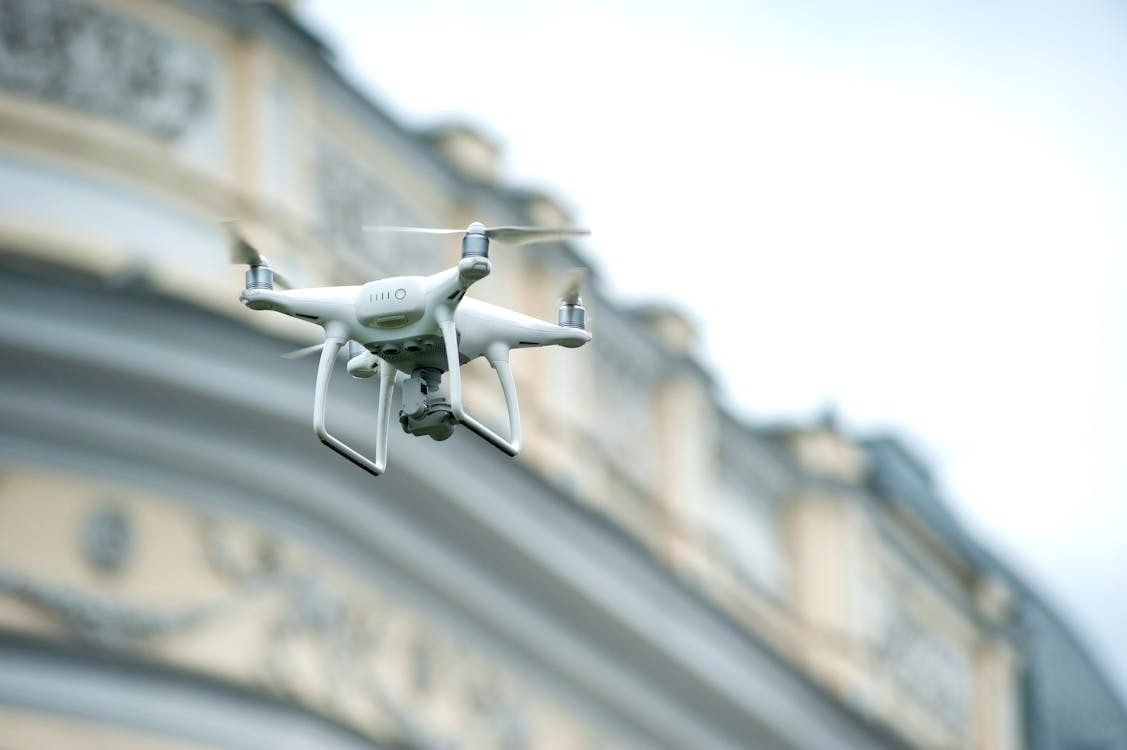
    UAS Hovering Near Building

    Image of Pexels Photo
    Drone Service Provider Construction Drone

    Image of Pexels Photo
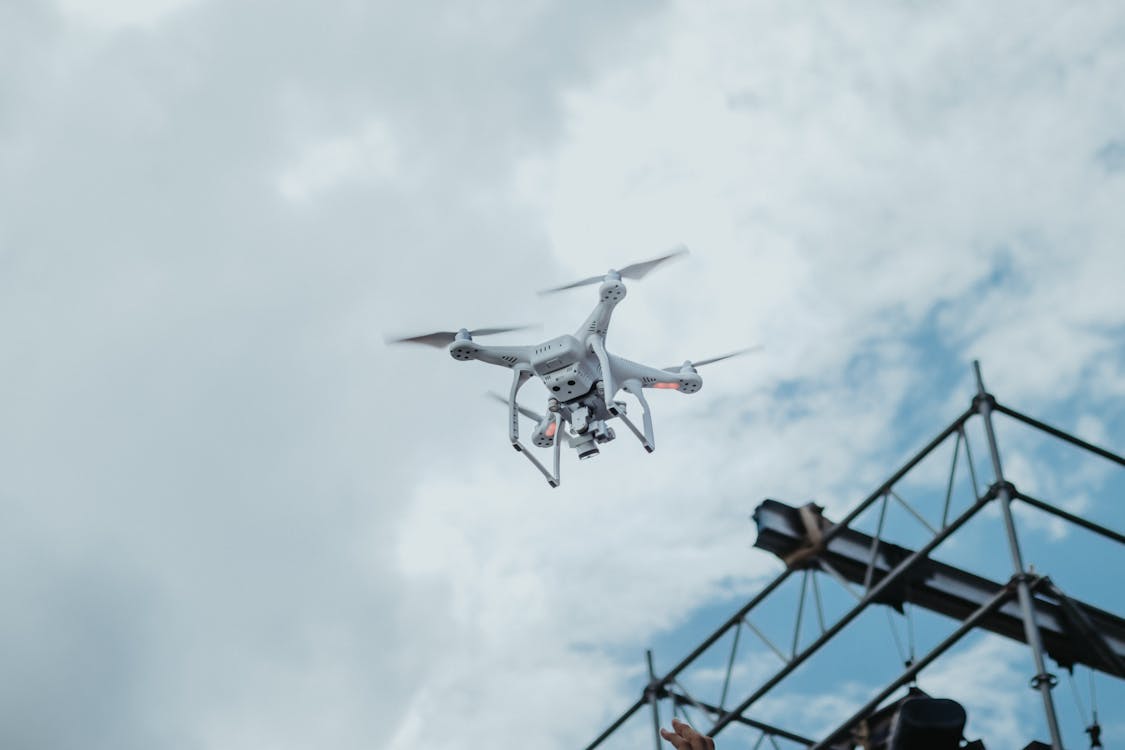
    Quadcopter Drone in Flight

    Image of Pexels Photo
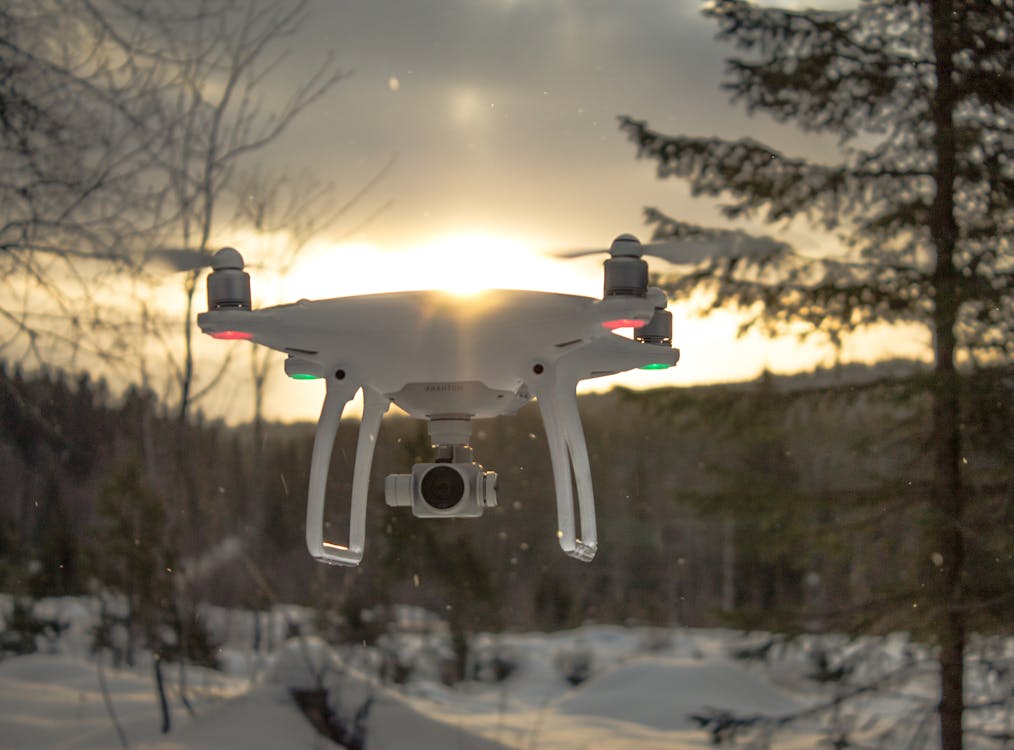
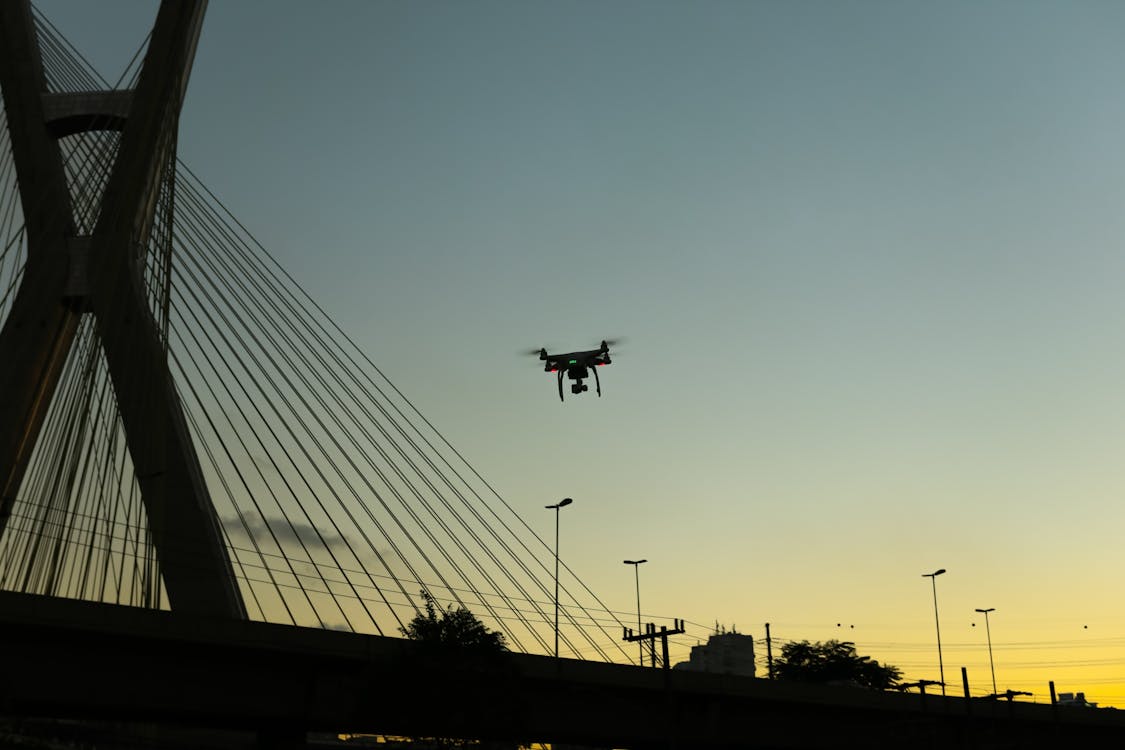
    UAS at Dusk

    From The Editor:

    Do you need to hire a professional drone service provider?  To speak to an aerial data specialist, fill out a form, email us or for even faster response times, give us a call at (833) FLY-4YOU or (833) 359-4968.  Check out our transparent pricing at Drone Photography Pricing and watch this space as we expand on the above topics and more over the coming weeks and months.  If you like this post, feel free to click the share button at the bottom of the page.  We appreciate you helping us by spreading the content we share on our blog.
  • 5 Benefits of Documented Drone Service Operations for Effective Flight and Aircraft Management

    5 Benefits of Documented Drone Service Operations for Effective Flight and Aircraft Management

    1. Commercial drone pilots are being stopped while in the field by FAA officials. Often from local FSDOs (flight standards district offices) for spot checks. The officials asked the pilots to show their part 107 certification cards as well as their flight logs and maintenance records. For example, records of how often they change out their rotor blades. Spot checks like this are also called “ramp checks” which are unscheduled checks and/or surveillance made by FAA officials to ensure that flights are being made safely and in compliance with regulations.
    2. This is a requirement and responsibility under Part 107 rules. “A remote pilot in command must make available to the FAA upon request the small UAS for inspection or testing and any associated documents/records required to be kept under the rule.” —FAA’s Part 107 rules summary document
    3. Although ramp checks may not have happened much in the past for commercial drone pilots, it seems they will be happening more and more. So if you’re wondering whether your drone service provider needs to keep the items on this list with them while conducting commercial drone operations, the answer is: Yes, they definitely do.
    4. Preparation is a major way a drone pilot can avoid the wrath of the FAA!
    5. Drone pilots should use a preflight checklist before every flight.  Preflight checklists should include identifying info, date/time/location of the flight, drone information, weather forecast check, purpose, check air space/get authorization/LAANC/waivers. Also, an inspection of the drone and components for good working condition, check firmware updates, calibrate if prompted, and set RTH Altitude (setting higher than the highest obstacle). UAS pilots should also keep a good maintenance record. This record shows the regular routine the pilot has for inspecting their drone for mechanical defects.  Maintenance activities like calibration of sensors and replacement of parts need to be done periodically to make sure that the drone is always in tip-top condition. Keeping track of these is difficult without writing them down, thus the need to include them in drone flight logs.

    Image of Part License
    FAA Part 107 License

    When a pilot ensures they have this basic documentation on hand and can show it to the FAA when requested, on-site, it demonstrates to them that the drone service provider is consciously making an effort to fly safely and properly working within the FAA’s guidelines and laws.

    A drone in many ways is like a tiny black box, all the flight data is being recorded and could be accessed by the FAA at any time.  If the drone pilot isn’t considered safe the FAA could not allow them to fly the mission and even fine them.

    List of Documents a Commercial Drone Pilot Should Always Have on Hand:

    (best if most of this stuff is kept all together in a trusty three-ring binder)

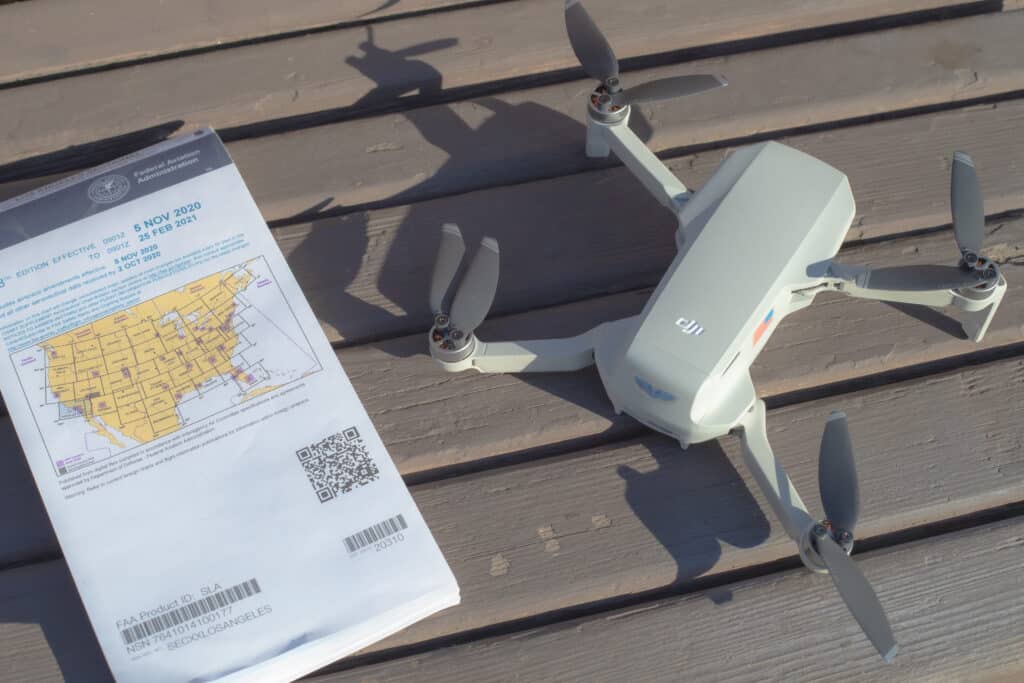
    • Part 107 certificate
    • Driver’s license
    • Insurance verification form
    • Aircraft registration number and certificate
    • Summary of FAA Part 107 Rules
    • Drone flight log
    • Flight operations manual
    • Chart supplements for nearby airports (demonstrates knowledge of airport comm frequencies, traffic patterns, etc.)
    • TFRs and NOTAMs at or near mission location
    • LAANC authorization number (if applicable for airspace at mission location) Having this shows the FAA the pilot is making every attempt to have a safe and legal flight
    Maintenance log (demonstrates aircraft maintenance practices)

    From The Editor:

    Do you need to hire a professional drone service provider?  To speak to an aerial data specialist, fill out a form, email us or for even faster response times, give us a call at (833) FLY-4YOU or (833) 359-4968.  Check out our transparent pricing at Drone Photography Pricing and watch this space as we expand on the above topics and more over the coming weeks and months.  If you like this post, feel free to click the share button at the bottom of the page.  We appreciate you helping us by spreading the content we share on our blog.