Category: Commercial Real Estate

  • How Drones are Changing Building Facade Inspections

    How Drones are Changing Building Facade Inspections

    As a Drone Service Provider (DSP) for the commercial real estate sector, we leverage advanced drone technology to offer precise and efficient facade inspections for commercial high-rise buildings. Our drones are equipped with high-resolution cameras and various sensors to capture detailed imagery and data of the building’s exterior.  We then utilize software visualization tools to aid in translating drone imagery into easy to understand data driven visualizations that can help commercial building managers make cost effective decisions that impact the long term sustainability of the properties they manage.

    In this blog post, I will explore the key benefits of using drones for facade inspections.
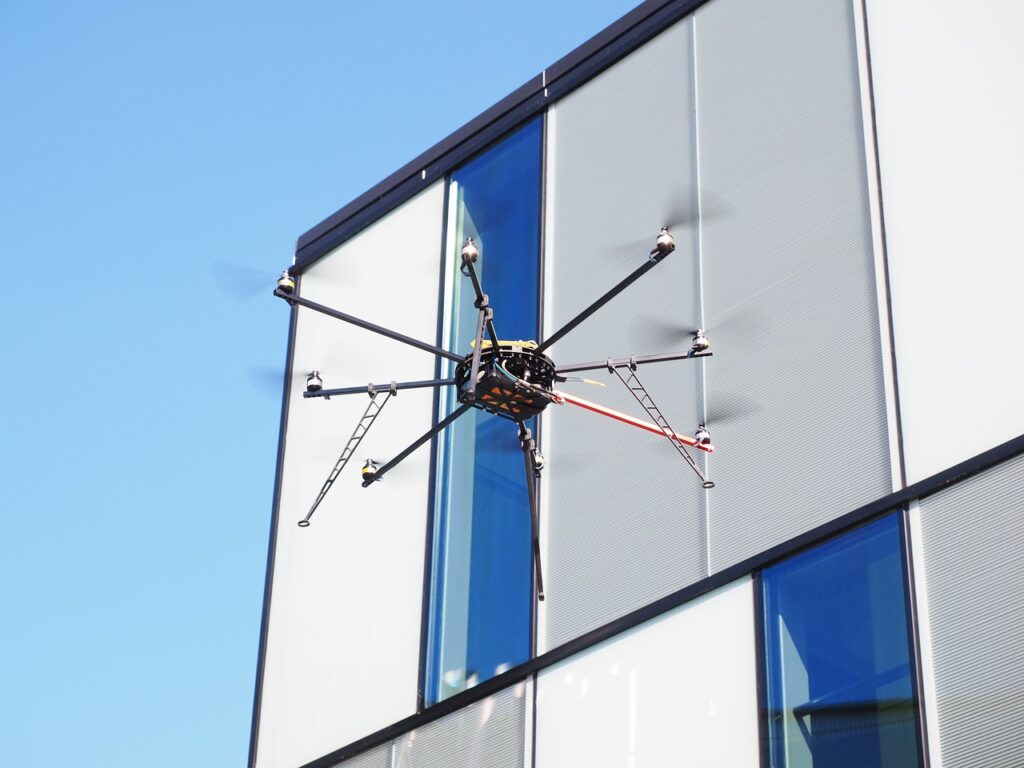
    drone inspecting building facade
    Drones provide faster, safer and smarter ways to conduct commercial building facade inspections.

    Key Benefits of Using Drones for Facade Inspections

    Cost-Effectiveness

    Traditional methods involving scaffolding and manual inspections can be expensive and time-consuming. Drones can perform inspections more quickly and with fewer resources, lowering overall costs.  Complex building facades often have hidden nooks and crannies that pose a challenge for traditional methods. Our drones navigate tight spaces and reach hard-to-access areas with ease, providing a comprehensive overview of your entire building exterior. No stone goes unturned – you’ll receive a detailed report covering every inch of your facade, ensuring no potential issue goes unnoticed.
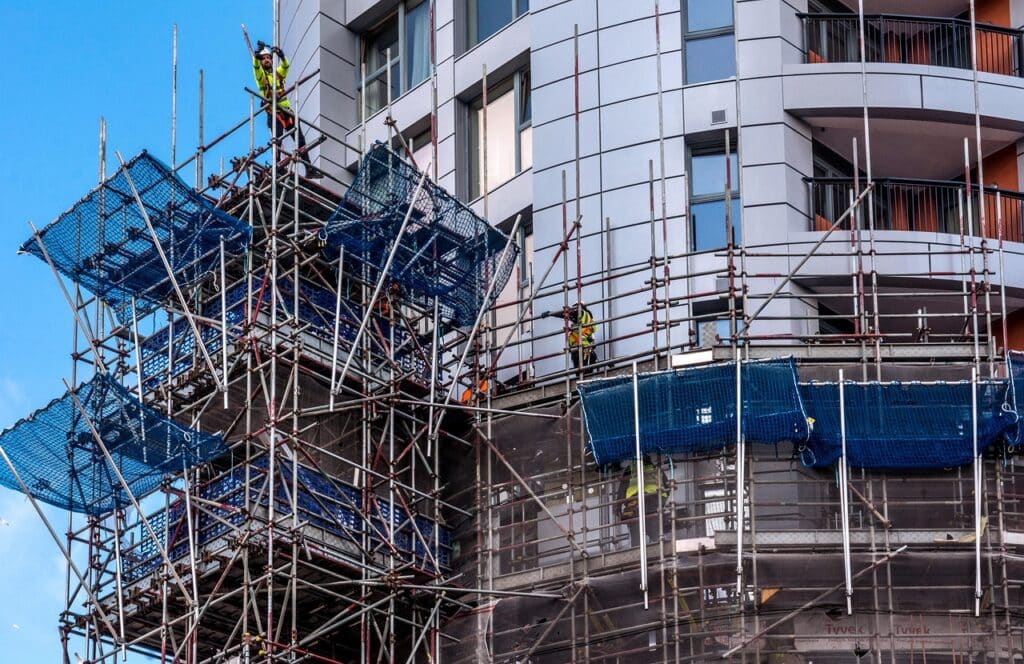
    crew on scaffolding inspecting building facade
    Construction crews take significant risks to inspect building exteriors on scaffolding inspecting building facades.

    Enhanced Safety

    Drones eliminate the need for inspectors to physically climb scaffolding or use suspended platforms such as swing stages or man lifts, significantly reducing the risk of accidents and injuries associated with high-rise inspections.  Traditional methods involving scaffolding, rope access, swing stages, man lifts, bucket trucks and manual inspections can be a major drain on your budget. Aerial Decisions’ drone services offer a cost-effective alternative. Drones require minimal set-up, can cover large areas quickly, and eliminate the need for extensive manpower. This translates to faster inspections at a fraction of the cost, freeing up your resources for other priorities.

    Comprehensive Coverage

    Drones can access hard-to-reach areas and provide a complete and detailed view of the building’s facade, ensuring no part of the structure is overlooked.  Our drones are equipped with advanced cameras and sensors, capturing high-resolution images and videos that reveal even the most minute details. 

    High-Resolution Imagery and Data

    Equipped with advanced cameras and sensors, drones capture high-definition images and videos, along with thermal and structural data. This detailed information aids in accurate assessment and diagnosis of potential issues.  We can also integrate thermal imaging and other specialized sensors to gather comprehensive data about the structural integrity of your facade. This detailed information empowers you to make informed decisions regarding repairs, maintenance, and overall building health.

    Real-Time Data and Reporting

    Drones can transmit data in real time, allowing for immediate analysis and quick decision-making. This accelerates the process of identifying and addressing problems, minimizing downtime and disruption.  Our drone technology allows for real-time data transmission. This means you can receive a comprehensive report and high-definition visuals the moment the inspection is complete. This rapid access to information allows for faster analysis and decision-making. Identify problems quickly, take action swiftly, and minimize downtime and disruption to your operations.

    Now that we have covered the Key Benefits of Using Drones for Facade Inspections, let’s explore the types of data that building managers will find useful.

    Types of Data Beneficial to Building Managers

    Video and Images for Visual Record Keeping

    Our high-resolution drone photos and videos capture the facade in stunning detail, revealing more than just a cursory glance ever could. This detailed visual record allows us to pinpoint visible defects like cracks, spalling, water stains, discoloration, and other signs of wear and tear. With this information, you can prioritize repairs and address issues before they escalate into major problems.

    3D Mapping and Modeling

    Drones can create accurate 3D models of the building’s exterior. These models help visualize the facade’s condition and plan for maintenance or repairs.  The 3D model serves as a “digital twin” of the physical building where building managers can compare the digital twin to the actual facade to assess its condition thus Identifying areas that need maintenance, repairs, or upgrades.

    Environmental Data

    Drones can collect data on environmental conditions around the building, such as wind loads and weather patterns, which can affect the facade’s longevity and performance.

    Drones Equipped with Thermal Sensors

    Traditional inspections often miss hidden problems lurking beneath the surface. Our drones are equipped with thermal imaging technology that reveals temperature variations across the facade. These variations can be indicative of a variety of issues, including:

    Water Intrusion

    Because moist areas retain heat differently than dry areas, moisture trapped within the walls will show up as cooler spots in thermal images. Drones equipped with multispectral sensors capture data across different wavelengths of light.

    Insulation Problems

    Poorly insulated areas will show significant temperature differences compared to well-insulated sections. Well-insulated areas retain heat efficiently, resulting in a more uniform temperature across the facade. The thermal camera translates this uniformity into a consistent color on the image.
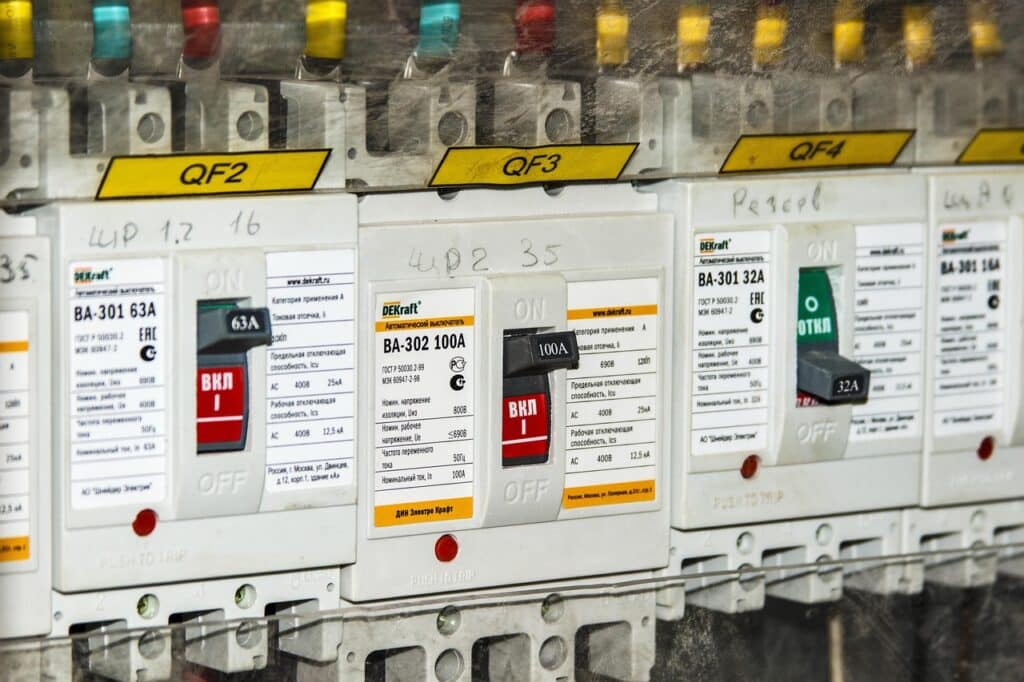
    Building electrical panels
    Inspecting building electrical panels can help to mitigate fire hazards

    Electrical Faults

    Overheated electrical components can be identified through thermal signatures, enabling prompt repair and preventing potential fire hazards.

    By harnessing the power of thermal imaging, we provide a deeper understanding of your building’s health and help you address potential problems before they become costly repairs.  Ultimately, by utilizing drone technology for facade inspections, commercial high-rise building managers can gain a comprehensive understanding of the building’s exterior condition, prioritize maintenance tasks, and ensure the safety and longevity of the structure.

    Looking for Drone Inspection Case Studies?
    Case Studies: Benefits of Drones in Façade Inspections for Commercial Buildings

    NYC Department of Buildings Study The New York City Department of Buildings conducted a comprehensive study on using drones for façade inspections, highlighting potential time and cost savings. The study emphasized that drones could rapidly differentiate areas needing repair, which would allow for more targeted use of scaffolding and reduce unnecessary expenses. Although NYC laws currently restrict drone usage, the findings suggest significant future savings and efficiencies once regulatory changes are implemented  (DroneDJ) .

    Haag Global’s Use of Drones Haag Global demonstrated the advantages of using drones for façade inspections in a case study from February 2023. They found that drones significantly reduced the time required for inspections and minimized the need for costly equipment like aerial lifts or scaffolding. Drones also improved safety by reducing the need for inspectors to work at heights. High-resolution images and videos captured by drones provided detailed data, enabling more precise assessments and reducing the need for additional hands-on inspections  (Haag Global) .

    Facility Executive Case Study An article in Facility Executive highlighted the adoption of drones for building envelope inspections by companies like Helios Visions. Drones enabled quick capture of high-resolution images and videos, leading to faster and more accurate assessments of façade conditions. This method was significantly cheaper and safer than traditional approaches involving scaffolding or rope access. The case study noted that drones could cover a building’s exterior in a fraction of the time, providing valuable data to identify potential issues before they became critical  (Facility Executive Magazine) .

    From The Editor:

    Do you need to hire a professional drone service provider for your project?  To speak to an aerial data specialist, fill out a form, email us or for even faster response times, give us a call at (833) FLY-4YOU or (833) 359-4968.  Check out our transparent pricing at https://www.aerialdecisions.com/drone-photography-pricing/ and watch this space as we expand on the above topics and more over the coming weeks and months.  

    If you like this post, feel free to click the share button at the bottom of the page.  We appreciate you helping us by spreading the content we share on our blog.
  • 5 Types of Data Drones Commercial Land Developers Look For

    5 Types of Data Drones Commercial Land Developers Look For

    As drone technology evolves, so too do the applications for which they can be used. One industry that has been particularly impacted by the use of drones is commercial land development.  As the commercial construction industry is poised to grow from $6.4 trillion USD to $14.4 trillion USD by 2030, the genesis of projects in this high growth sector involves land acquisition and commercial development.

    What types of drone data do land developers look for?

    Drones are being used to capture a wide variety of data for these projects, allowing developers to make more informed decisions and improve project outcomes.  From commercial high rises to student housing for education, drones are fast becoming a standard part of the developers equipment portfolio.  But what type of data are drones really capable delivery of that delivering that help commercial land developers?

    Here I list some of the types of data that drones can capture for commercial land development projects:

    Image of Lot Main Site X
    Early construction phase for new student housing project

    Aerial Imagery

    Perhaps the most obvious use of drones in land development is to capture aerial imagery. Drones equipped with high-resolution cameras can capture detailed images of the land, including topography, vegetation, and existing infrastructure. Drone service providers use this information to create detailed 3D maps and models that can be used to inform design decisions.

    Thermal Imagery

    Drones can also be equipped with thermal cameras, which can detect heat signatures. This can be useful for land development projects where heat signatures can indicate potential problems, such as leaking pipes or hotspots in electrical systems. Thermal imagery can also be used to detect changes in temperature that may indicate changes in land use, such as the construction of new buildings or roads.

    LiDAR

    Drones can be equipped with LiDAR (Light Detection and Ranging) sensors, which use lasers to create high-resolution maps of the land. This technology is particularly useful for land development projects that involve complex terrain or structures, such as bridges or tunnels. LiDAR can also be used to detect changes in elevation, which is important for projects that involve grading or excavation.

    Environmental Data

    Drones can be used to capture a wide variety of environmental data for land development projects, including air and water quality, noise levels, and wildlife populations. This information can be used to identify potential environmental impacts of the project and develop mitigation strategies.

    Image of Glendale Sudios Orthomosaic X
    Construction progress monitoring includes orthomosaic images

    Construction Monitoring

    Aerial Decisions uses drones to monitor construction progress and detect any potential issues that are time sensitive in nature. By capturing high-resolution images and videos of the construction site, we assist developers in identifying potential problems early on and make any necessary adjustments to the project.  Additionally, drones can also be used to inspect properties and land without the need for workers to access potentially hazardous areas.  This can help to improve safety on job sites and reduce the risk of accidents.  Another useful drone application is in the area of on site supply management.  Drones can capture volume data for project stockpiles and immediately transfer that data to supply chain managers, ensuring the timely delivery of fresh supplies to each job site.

    In conclusion, I can say definitively that drones have become a valuable tool for commercial land development projects. They are capable of capturing a wide variety of data, including aerial and thermal imagery, LiDAR data, environmental data, and construction monitoring data. By using drones to collect this information, developers can make more informed decisions and improve project outcomes.

    From The Editor:

    Do you need to hire a professional drone service provider?  To speak to an aerial data specialist, fill out a form, email us or for even faster response times, give us a call at (833) FLY-4YOU or (833) 359-4968.  Check out our transparent pricing at Drone Photography Pricing and watch this space as we expand on the above topics and more over the coming weeks and months.  If you like this post, feel free to click the share button at the bottom of the page.  We appreciate you helping us by spreading the content we share on our blog.
  • 5 Benefits of Using Drones in Commercial Real Estate

    5 Benefits of Using Drones in Commercial Real Estate

    The adoption of aerial drone photography in the commercial real estate industry is on the rise. Like other industries, there are many benefits of using drones for commercial real estate, including improved efficiency, cost savings, and higher quality data. In this blog post, I will discuss the top five benefits of using drones in commercial real estate, along with recent statistics illustrating the uptick of drone adoption in the industry; specifically in the Los Angeles market.

    Image of Indian Springs Cre For Lease X
    Los Angeles Commercial Retail Center

    Here we go: 

    Faster and More Efficient Surveys

    Drones are able to capture high-resolution aerial imagery of properties and land. This means that surveys can be conducted faster and more efficiently, saving time and reducing costs. In fact, a recent survey found that 90% of commercial real estate professionals believe that drones have improved the speed and efficiency of their work.

    Improved Marketing

    Drones can capture stunning aerial footage of properties that can be used in marketing materials. This can help to attract potential buyers or tenants, as well as showcase a property’s unique features. According to a recent report, using drones in real estate marketing can lead to a 68% increase in listing views.

    Image of Dji X
    Commercial Real Estate Rooftop Drone Inspection

    Enhanced Property Inspections

    Drones can perform inspections of roofs, facades, and other hard-to-reach areas of a commercial real estate property. This can help to identify potential issues before they become major problems, leading to cost savings and improved safety.

    More Accurate Property Valuations

    Drones can capture high-quality aerial imagery that can be used to create accurate 3D models of commercial properties. This can help to provide a more accurate valuation of a property, leading to better informed decisions and potentially higher profits.

    Increased Safety

    Drones can be used to inspect properties and land without the need for workers to access potentially hazardous areas. This can help to improve safety on job sites and reduce the risk of accidents.

    Now, let’s take a look at some recent statistics on drone adoption in the commercial real estate industry. According to a recent report, the use of drones in commercial real estate has increased by 200% in the last year alone. Additionally, the Los Angeles commercial real estate market has been identified as having significant potential for the use of drones in real estate. With the city’s large and diverse real estate market, drones can be used to capture aerial footage of a wide range of properties, from industrial warehouses to luxury residential homes.

    In conclusion, I believe the benefits of using drones in commercial real estate are numerous. From improved efficiency and cost savings to higher quality data and increased safety, drones are helping to revolutionize the way that real estate professionals conduct their work. As adoption rates continue to grow, I fully expect to see even more innovative uses of drones in the commercial real estate industry.

    From The Editor:

    Do you need to hire a professional drone service provider?  To speak to an aerial data specialist, fill out a form, email us or for even faster response times, give us a call at (833) FLY-4YOU or (833) 359-4968.  Check out our transparent pricing at Drone Photography Pricing and watch this space as we expand on the above topics and more over the coming weeks and months.  If you like this post, feel free to click the share button at the bottom of the page.  We appreciate you helping us by spreading the content we share on our blog.