Tag: Crew Resource Management

  • How’s Your Drone Service Provider At Crew Management?

    How’s Your Drone Service Provider At Crew Management?

    How’s Your Drone Service Provider At Crew Management?

    How do you know if your drone service provider is good at crew management? Crew Resource Management is terminology by the FAA to describe the management of multiple people in a crew. (FYI: The FAA uses a lot of acronyms but they save time so you’ll have extra time to read this article. LOL)

    CRM (crew resource management) focuses on a drone pilot operating in crew environments and managing his or her crew safely and efficiently.

    What Makes a Great Remote Pilot In Command Leader?

    When the RPIC (Remote Pilot-In-Command) is working with others during a flight mission and has crew members that are helping, it’s about making sure that everybody knows exactly what they’re doing.  All crew members know the method of operation for that proposed flight. The RPIC is taking in all the circumstances pertinent to that flight mission. That includes weather, hazards, rules, regulations, etc.

    The FAA.gov document called AC 107-2 – Small Unmanned Aircraft Systems (sUAS) states,

    “ A remote PIC uses many different resources to safely operate an sUAS and needs to be able to manage these resources effectively.’ …’ Therefore, a remote PIC must be able to function in a team environment and maximize team performance. This skill set includes situational awareness, proper allocation of tasks to individuals, and avoidance of work overloads in self and in others. And effectively communicating with other members of the crew, such as VOs and persons manipulating the controls of an sUAS.”
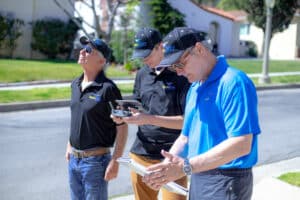
    Image of Crew Shoot X
    Drone Pilot-in-Charge and Crew

    Who’s Responsible For Everything?

    Basically, the RPIC is. He or she is responsible for the crews’ actions and safety (crew, civilians, property), etc.  Furthermore, it’s up to the RPIC to get the mission accomplished on time and within client specifications.  If the RPIC does not ensure good CRM, the FAA can fine or even revoke the RPIC’s license. And the RPIC would be held liable for any damages incurred. Adherence to good crew resource principles ensures the client’s needs are met, the risk is minimized, and the task is completed safely and efficiently. The RPIC must be a good team leader.

    Who’s On The Crew?

    Usually at least a VO. The VO (Visual Observer) helps the RPIC (Remote Pilot-In-Command) have a second pair of eyes. The VO aids the RPIC to avoid obstacles and hazards not only for the drone but also for the drone pilot as well.

    What Helps the Crew to be Successful?

    The RPIC needs to communicate clearly with their VO and everyone on their crew. The use of two-way radios can help with this. For example, if the VO or crew is stationed farther away not in earshot. Additionally, walkie-talkies can help if the mission is in a high-traffic and/or noisy location. During the mission communication is key.  But that communication should begin even before the mission begins. All on the crew need to be well briefed by the RPIC beforehand so they each clearly know what their roles and responsibilities are. This way all can safely and efficiently contribute to the success of the mission. A great RPIC makes the best use of his or her crew and allows each crew member to give input. An excellent RPIC knows how to highlight each crew member’s strengths to create an atmosphere of safety and excellence. Good crew resource management means a crew and the remote pilot in command are better together than just a remote pilot alone.

    Image of Exceeding Standards
    Drone Pilots at Construction Site

    Why It’s Important to Hire The Best Drone Service Provider

    When considering hiring a drone service provider make sure they are good crew managers. If not you could be putting yourself at risk. Crews that are not properly managed by their RPIC could cause severe damage and set a project way back. Save time and money and have peace of mind knowing the drone service provider you are hiring uses good CRM. He knows what to do and so does his crew. The best drone service provider knows how to manage their crew in such a way that will mitigate risks, and liability, and ensure the project is completed safely and on schedule.

    When you hire a great drone service provider you’re also hiring a great RPIC that knows how to utilize great CRM. So hire one ASAP.

    From The Editor:

    Do you need to hire a professional drone service provider?  To speak to an aerial data specialist, fill out a form, email us or for even faster response times, give us a call at (833) FLY-4YOU or (833) 359-4968.  Check out our transparent pricing at Drone Photography Pricing and watch this space as we expand on the above topics and more over the coming weeks and months.  If you like this post, feel free to click the share button at the bottom of the page.  We appreciate you helping us by spreading the content we share on our blog.
  • Does Your Drone Service Provider Incorporate Safety Procedures?

    Does Your Drone Service Provider Incorporate Safety Procedures?

    How risky is it to hire just any drone service provider?

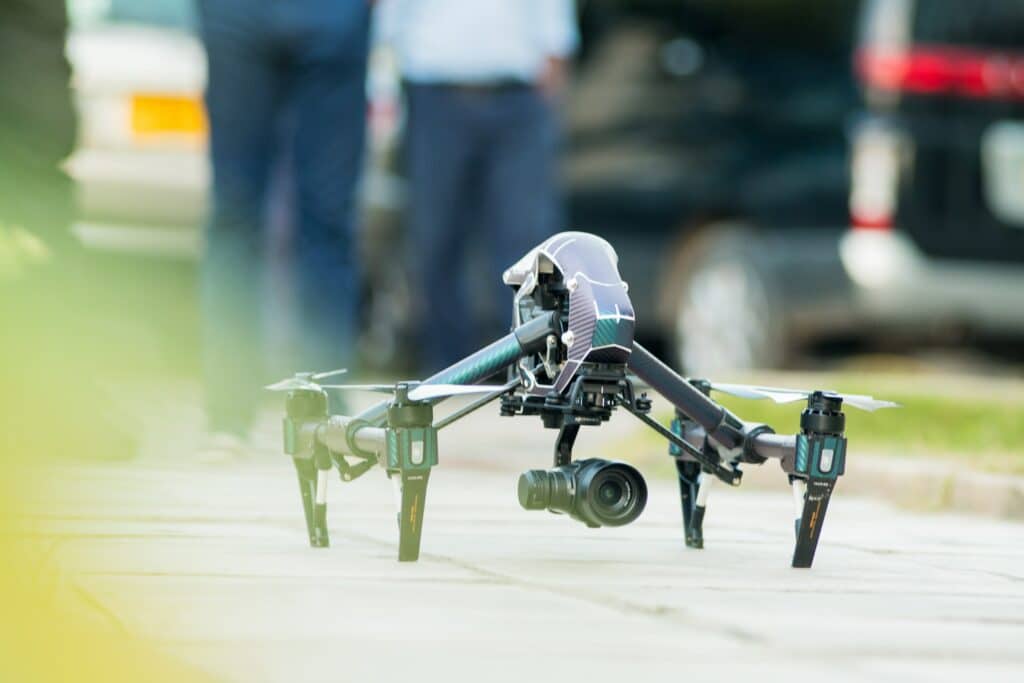
    Drones have the potential to be dangerous. When used inappropriately, drones can pose a threat to personal safety, both to that of the pilot and bystanders, as well as damage to property. Drones can cause injuries because of their quick movements, rotating parts, and edges. Injuries may happen not just to the user, but to anyone else in the area. But, when flown with care and caution, with their intended use, and in adherence to safety regulations, and good standard operating procedures, drones can be flown safely.  These are just a few of the reasons why your drone service provider must incorporate safety procedures.

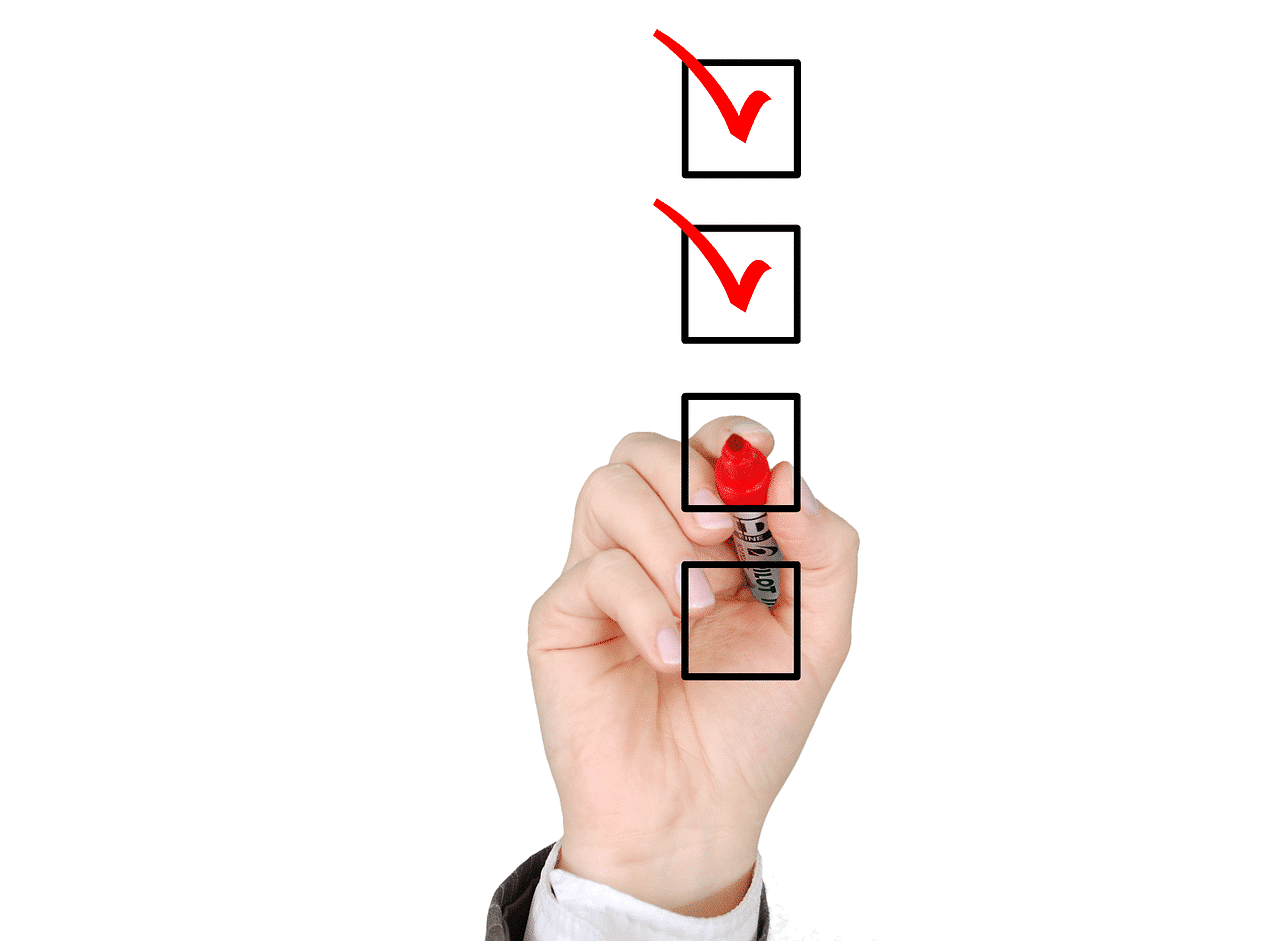
    In addition, your drone service provider must follow a detailed procedural checklist that can help reduce risk and prioritize safe operations for every flight. The Standard Operating Procedure (SOP) for a reputable drone service provider will address not only best practices for the Remote Pilot in Command (RPIC) to follow during the flight but also pre-flight and post-flight protocols to ensure the highest level of safety.

    Image of Pexels K Photos X

    What should a drone service provider do before takeoff?

    Even small, lightweight drones require regular upkeep. Batteries can fail to hold a charge, propellers can become damaged or loose, the drone can develop cracks, the gimbal can get stuck, etc. A comprehensive preflight checklist will require a Remote Pilot In Command to inspect all equipment carefully, batteries are fully charged, and the latest firmware updates have been installed for the drone, controllers, and monitors. And it’s best if it’s safely flight-tested before the mission.

    Depending on the nature and location of the work, many drone service providers also complete a pre-flight report. This might include information about the type of project, altitude to be flown, and planned flight time, as well as contact information for the landowner or emergency services, and the closest airport. Regardless of whether a pre-flight report is used, the RPIC should assess the winds and other weather conditions prior to leaving for the mission to confirm that the weather is conducive to flight.
    Once at the mission location, the RPIC should communicate the flight plan to any members of the flight crew, such as a visual observer, and note any potential obstacles or restricted areas. As part of the flight plan, the pilot should establish not only the designated locations for take-off and landing but also an area for an emergency landing, if needed.

    What does a safe drone service provider do during a flight?

    After takeoff and before commencing the planned flight mission, the pilot should verify that all systems are a go, confirm active satellite and GPS connections, and double-check that the batteries still indicate a full charge. If a visual observer is present, they should verify that they have the drone in sight. Before landing, the RPIC should scan the landing area for potential obstacles and communicate any concerns, including elevated wind speeds, to the visual observer. As soon as the drone is on the ground, the aircraft should be powered down to avoid potential injury from the propellers or accidental takeoff.

    What does a great drone service provider do post-flight?

    Running through a detailed checklist after flying a mission can help promote safe and efficient operations for the next flight. Before packing up the drone and other equipment, the RPIC should review the mission notes to confirm that all objectives were met, and verify the image data was captured successfully while transferring to a laptop or other storage device. Assuming the mission is complete, batteries and camera equipment should be removed and stored safely, and the aircraft inspected for noticeable wear or damage. This also may be an appropriate time to update flight and battery logs.
    A comprehensive SOP will also address issues like training, emergency procedures, and accident reporting, among other protocols.

    Before hiring a drone service provider, vet them by asking about their SOP. Although small in size, drones occupy the same airspace as traditional aircraft, and drone pilots must follow stringent guidelines established by the FAA. Creating a set of best practices as an additional reference can ensure that drone missions go smoothly, and help protect you, the drone service provider, and the public at large.

    RPIC should utilize the checklist to ensure the highest level of safety. At a minimum, this pre-flight checklist should contain the following:


    1. Required documentation, Pilots Certificate, Required Waivers and/or Permits, Drone Registration,
    UAS Flight Manual, Proof of Insurance.
    2. Weather conditions suitable.
    3. Check the drone for cracks and check all screws are tight.
    4. Propeller(s)/Rotor(s) not damaged and tightly fixed.
    5. Propulsion system mounting(s) secure.
    6. Batteries fully charged and securely mounted.
    7. Communications (datalink) check.
    8. Ensure the GPS module (if any) has GPS “fix.”
    9. Check the mission flight plan.
    10. “Return Home” and/or “Emergency Landing” locations (if supported by the particular UAS) are
    selected, located appropriately, and loaded to the GCS and aircraft.
    11. Ensure sensors are calibrated and that the right setting is loaded.
    12. Complete flight crew briefing.
    13. Ensure the launch site is free of obstacles.
    14. Recheck wind direction before launch.
    15. Confirm the phone number for the nearest Air Traffic Control facility in event of an emergency.

    When considering hiring a drone service provider make sure they adhere to good safety procedures and protocols.

    If not, you could be putting yourself at risk. An unsafe RPIC could cause severe damage and set a project way back. Save time and money and have peace of mind knowing the drone service provider you are hiring knows how to properly follow FAA rules and regulations and ensures safety first. And a good drone service provider knows how to manage their crew in such a way that will mitigate risks, and liability, and ensure the project is completed safely and on schedule. When you hire a great drone service provider you’re also hiring a great RPIC that has a proven safety record.

    From The Editor:

    Do you need to hire a professional drone service provider?  To speak to an aerial data specialist, fill out a form, email us or for even faster response times, give us a call at (833) FLY-4YOU or (833) 359-4968.  Check out our transparent pricing at Drone Photography Pricing and watch this space as we expand on the above topics and more over the coming weeks and months.  If you like this post, feel free to click the share button at the bottom of the page.  We appreciate you helping us by spreading the content we share on our blog.
     

  • 5 Reasons to Prioritize Pre-Flight Checklists for Drone Services

    5 Reasons to Prioritize Pre-Flight Checklists for Drone Services

    1. Safe and Professional Operations

    Just like commercial airline pilots use a checklist before each flight, drone pilots use  pre-flight checklists to ensure their operations are safe and legal. In addition to ensuring aircraft readiness and considering things like weather, site safety and crew briefings, checklists also help pilots ensure compliance with FAA, state and local regulations that govern the commercial use of drones.

    2. Redundancy = Consistency

    Checklists augment pilot memory to ensure that all required actions are performed in an orderly manner and without omission. When properly implemented, checklists are used redundantly and consistently before every flight, regardless of how many times the pilot has flown a particular aircraft or mission.

    3. Complacency = Missed Steps

    The aim of implementing a checklist is not simply to read through and check off items. Rather, the objective is to prevent complacency by methodically following every step. Forcing oneself to read each checklist item may seem awkward and time-consuming to a drone pilot who has flown a particular aircraft many times before. However, if a pilot scans the items to be checked quickly due to time pressures, versus taking time to consider each step, missed or incorrect steps can result in disaster.

    4. They’re Not Just for Pilots

    The pre-flight checklist is an integral part of effective Crew Resource Management, which enhances teamwork, increases communication and transforms operational hierarchy to improve safety and reduce risk. When used effectively, the checklist is key to ensuring that the entire flight crew is on the same page and properly briefed for every mission.

    5. They’re Not Just for Pre-Flight

    Pre-flight, in-flight and post-flight procedures are all part of a comprehensive checklist. Best practices should include, but not be limited to, these high-level considerations:

    Pre-flight

    – Airspace restrictions and weather considerations

    – Pilot and crew mental and physical fitness

    – Site inspection and mission walk through

    – Take-off, landing, safety perimeter and emergency abort zones established

    – Crew and bystander briefing

    – Aircraft, payload and flight system inspection

    In-Flight

    – Take-off procedure

    – Maintain visual line of sight with aircraft

    – Maintain safe operating distance from people and obstavles

    – Monitor airspace for other aircraft

    – Maintain “sterile cockpit” to avoid pilot distraction

    Post-Flight

    – Landing procedure

    – Power down sequence

    – Data acquisition procedure

    – Post-flight aircraft inspection

    – Flight logging

    Conclusion

    Replacing human error with a strong safety culture and reliance on proven procedures is paramount to the success of any drone services provider. Aviation safety studies have shown that consistent and methodical use of checklists reduces risk by virtually eliminating mistakes and oversights. A strong emphasis on team intelligence and effective procedures like operational reports and checklists can ensure teams are on the same page and operating at peak effectiveness.

    Bottom Line: Take the time to do it right – or don’t fly

    From The Editor:

    Do you need to hire a professional drone service provider?  To speak to an aerial data specialist, fill out a form, email us or for even faster response times, give us a call at (833) FLY-4YOU or (833) 359-4968.  Check out our transparent pricing at Drone Photography Pricing and watch this space as we expand on the above topics and more over the coming weeks and months.  If you like this post, feel free to click the share button at the bottom of the page.  We appreciate you helping us by spreading the content we share on our blog.
     

  • 5 Reasons for FAA-Certified Drone Service Providers

    5 Reasons for FAA-Certified Drone Service Providers

    This is the first in a series of “Five Reasons” articles. Over the next several months, we’ll explore key areas for consideration, what to look for and questions to ask when hiring a commercial drone service provider to fly your important mission.

    5 Reasons to Insist that Your Drone Service Provider is an FAA-Certified Remote Pilot

    1. Flying a Drone for Commercial Purposes Without FAA Part 107 Certification is Illegal 

    The civil penalties for flying a commercial drone without an FAA remote pilot’s certificate are up to $32,666 for each incidence. After the violator receives a letter of warning letter from the FAA, this fine may be charged per day for continual illegal use of a drone for commercial purposes. The FAA may also impose criminal sanctions, which include a fine of up to $250,000 and/or a prison sentence of up to three years upon conviction (49 U.S.C. § 46306(b) and (d)).

    2. Hiring an Unlicensed Commercial Drone Service Provider is Illegal

    Federal statute (49 U.S. Code § 46306(b)(8)) declares that “a person shall be fined (up to $250,000) under title 18, imprisoned for not more than 3 years, or both, if the person . . .  knowingly and willfully employs for service or uses in any capacity . . . an individual who does not have an airman’s certificate authorizing the individual to serve in that capacity”

    Image of Pexels Jeshootscom X
    A Safe Bet: Certified and insured drone service providers

    3. Aviation Knowledge and Regulatory Compliance

    A commercial drone pilot has a primary responsibility to follow all regulations established by the FAA to keep our national air space safe for everyone. A certified commercial drone pilot will understand where, when and how high they can fly and, if needed, they’ll know how to get permission to fly in different classes of air space. 

    4. Safety

    Flying a drone is relatively simple and straightforward, but flying safely is an entirely different matter. Licensed drone pilots spend many hours learning FAA drone regulations – rules that are designed to keep people, property and air space safe. They understand how wind speed, visibility, clouds and other conditions can affect flights;  and make safety a priority by adhering to crew resource management and medical guidelines while following proven risk management protocols and procedures.

    5. Professionalism

    A licensed drone pilot should be expected to demonstrate professionalism through an unwavering commitment to FAA regulatory compliance, safety procedures, respect for privacy, and legal and ethical operations. Additionally, it’s important to  factor in their level of experience and ability to capture the high-quality aerial data required for your important project. 

    Conclusion

    As the drone industry transitions from nascent to mainstream, demand for FAA-Certified Remote Pilots continues to grow as well, and it becomes more important than ever to protect yourself from personal and professional liability. When hiring a drone service provider, ask to see their FAA Remote Pilot credentials, insurance, and preflight checklists to ensure that you are working with someone who is truly committed to professionalism and regulatory compliance.

    From The Editor:

    Do you need to hire a professional drone service provider?  To speak to an aerial data specialist, fill out a form, email us or for even faster response times, give us a call at (833) FLY-4YOU or (833) 359-4968.  Check out our transparent pricing at Drone Photography Pricing and watch this space as we expand on the above topics and more over the coming weeks and months.  If you like this post, feel free to click the share button at the bottom of the page.  We appreciate you helping us by spreading the content we share on our blog.