Category: Drone Service Providers

  • 5 Benefits of Multi-Drone Availability from Your Drone Service Provider

    5 Benefits of Multi-Drone Availability from Your Drone Service Provider

    From mini drones that are smaller than your phone to larger, beefier quadcopters, different drones have different flight characteristics, and because of their size, some of them might be unsuitable in certain situations. Therefore, drone service providers know having a fleet of multiple drones is best to get the job done right. The first time.

    Image of Pexels Photo
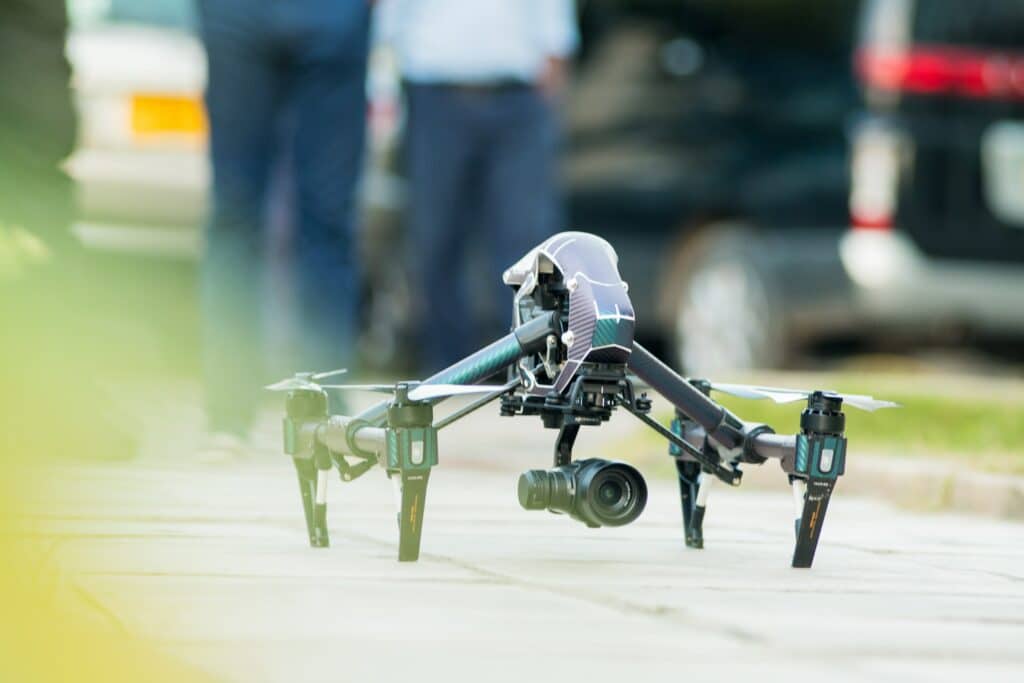
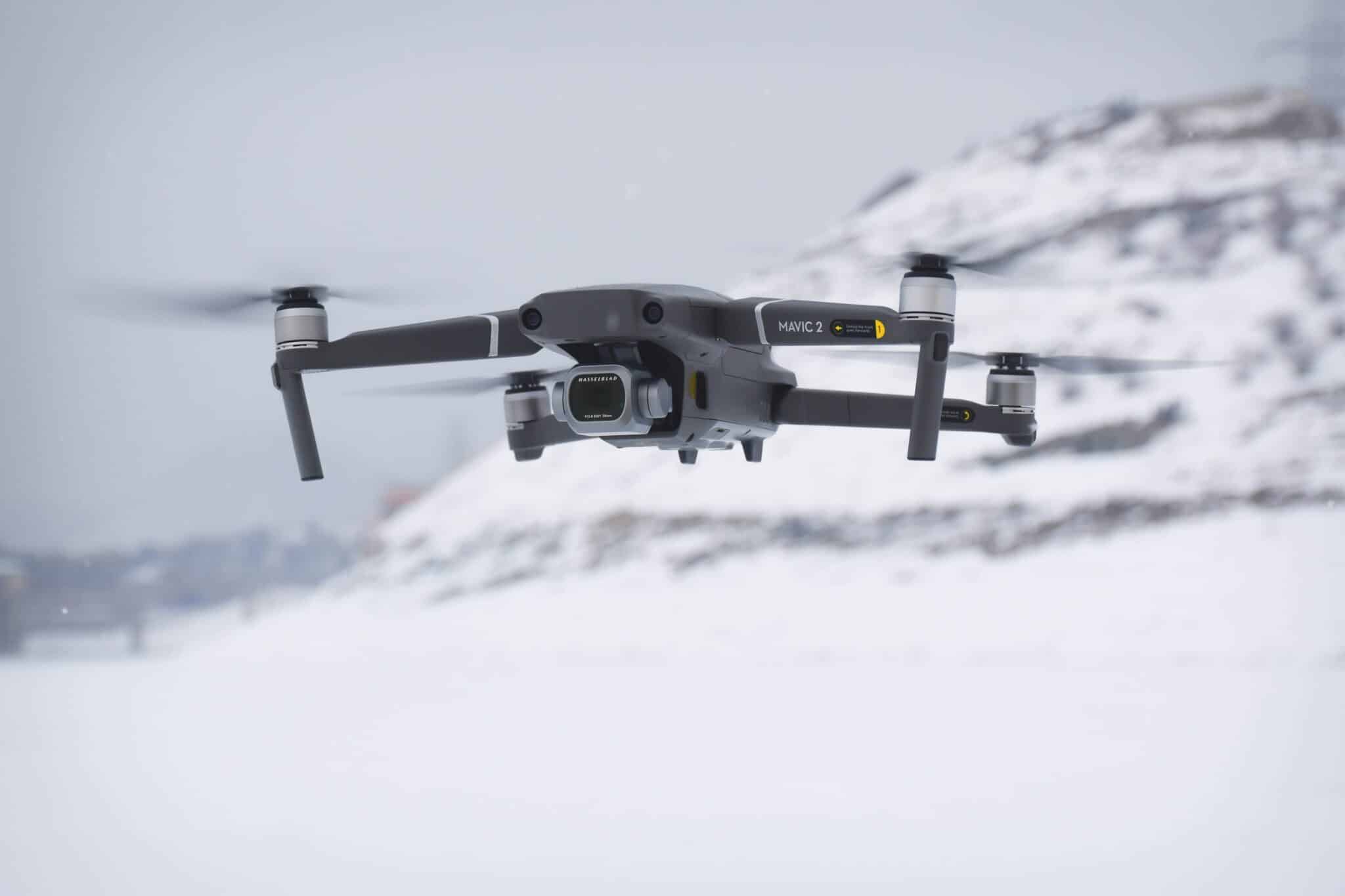
    Drone Service Provider UAS Fleet

    Reason number one: Accidents happen.

    Good drone service providers prepare for the unexpected and anticipate hazards like trees, power lines, birds, air traffic, wind speeds, weather conditions, construction hazards, and the like.

    But even the most skilled, experienced, and cautious drone pilots have dealt with simply being human, and human error, in a split second, could cause the well-prepped drone they brought on-site to suddenly not operate.

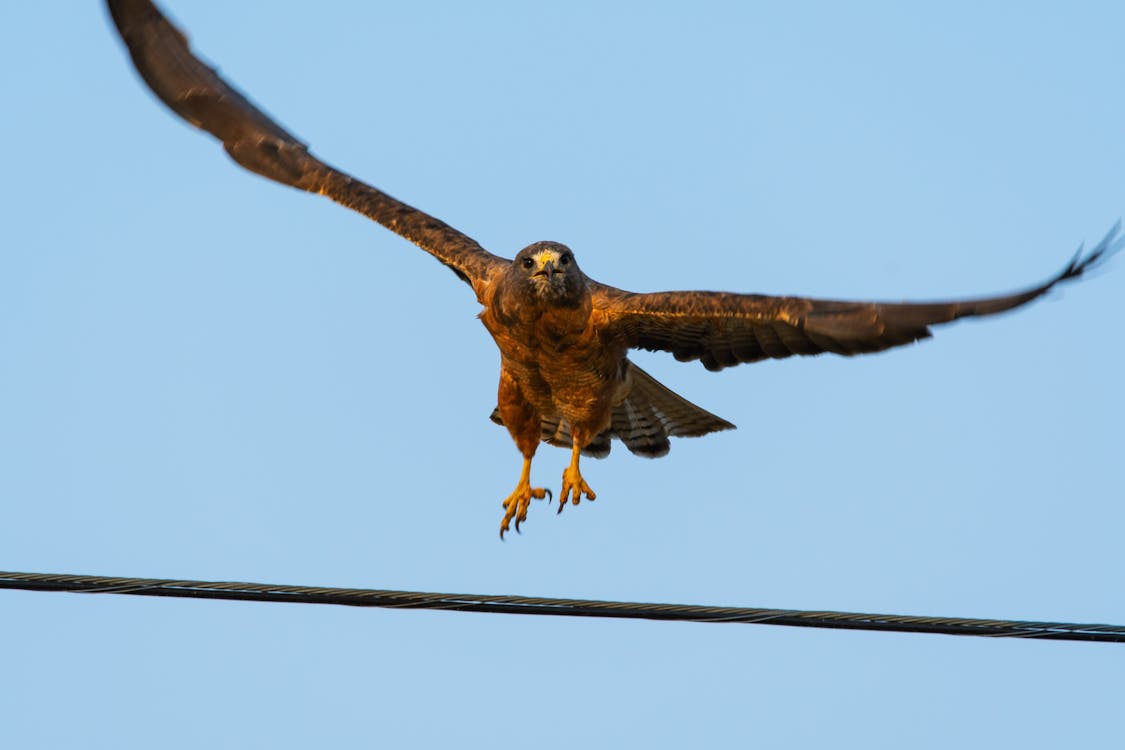
    Or a gust of wind, angry birds (not the cute ones, think sniper seagull or Incredible Hulk Hawk), or even a solar flare can wreak havoc on drone technology. So that’s why it’s always good to have a backup! Just in case.Image of Pexels Photo

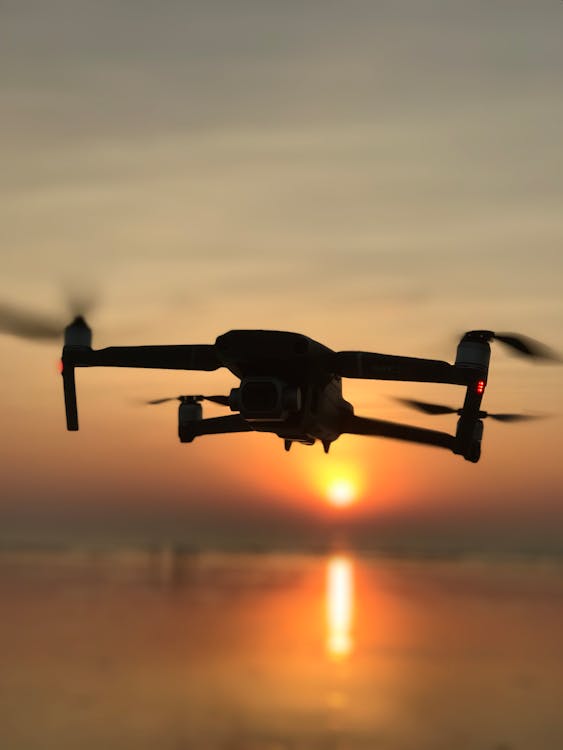
    Image of Pexels Photo
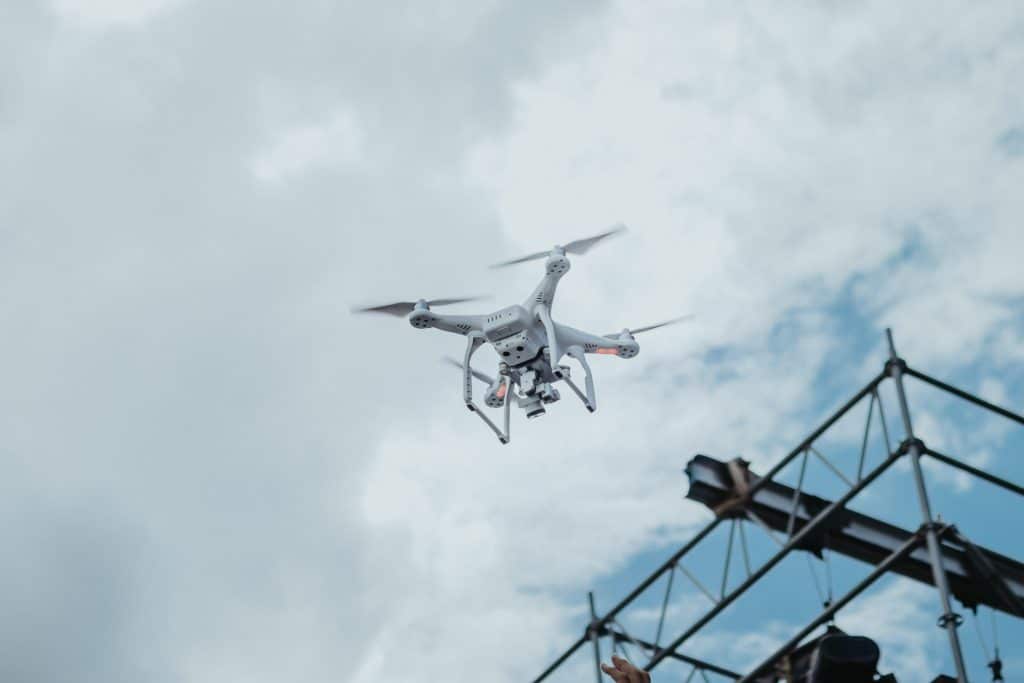
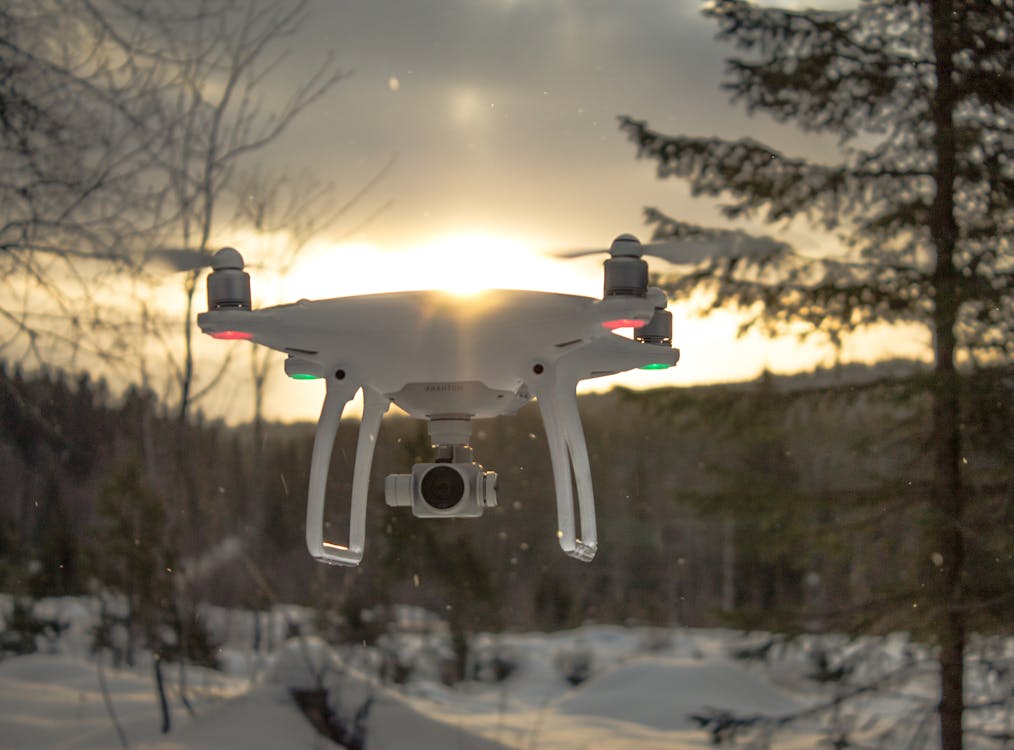
    Drone Service Provider Airborne UAS
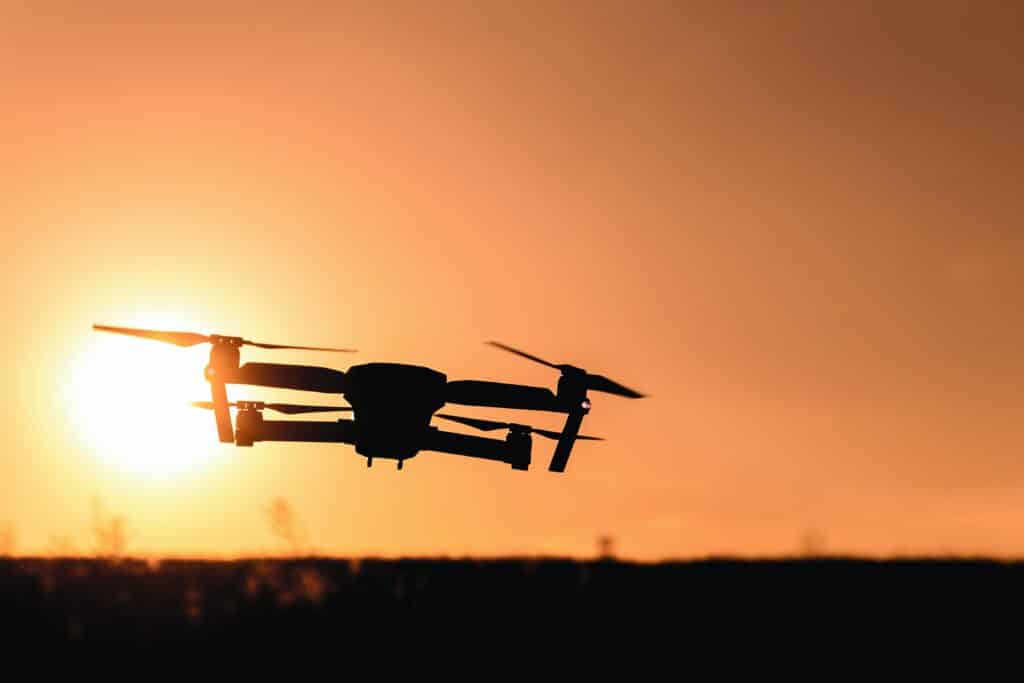
    Image of Pexels Photo
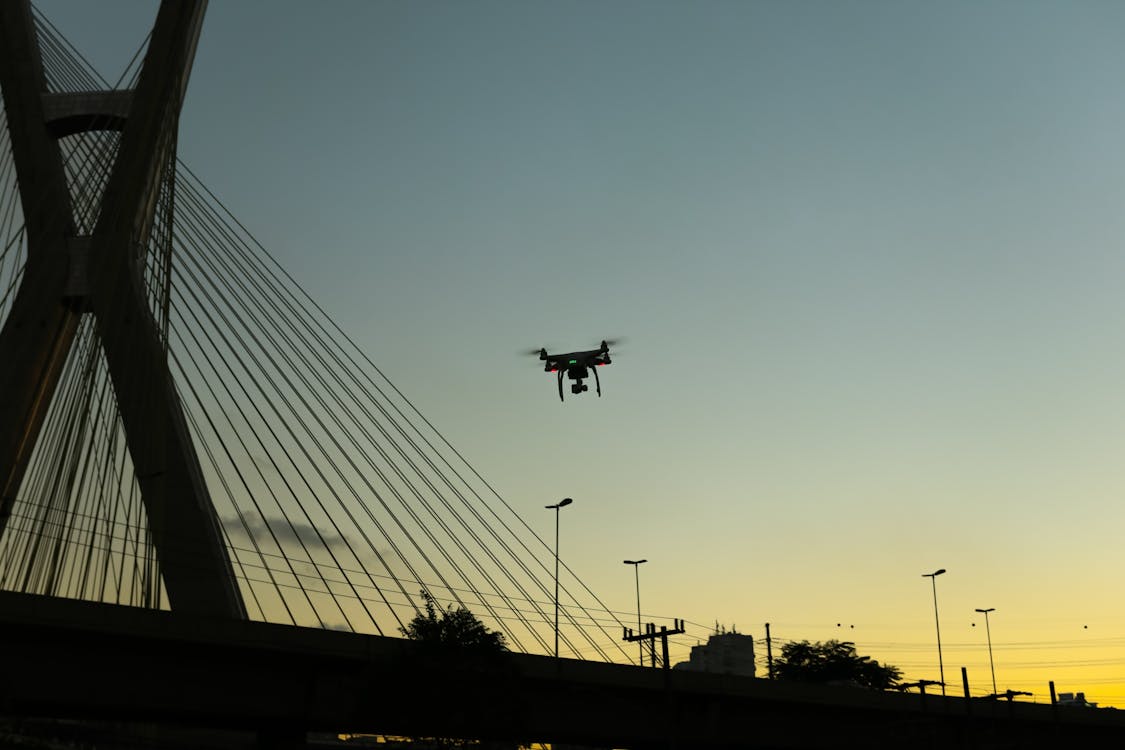
    Drone Service Provider UAS Silhouette

    Reason number two: Technical difficulties happen.

    Comparable to the reason stated above, not only are people imperfect so is technology. Firmware updates, corrupted SD cards, a gimbal that decides to suddenly not rotate properly, props that may not cooperate, dust particles or water particles, or for whatever reason a bug, literal or virtual, appears and a trusty drone can just simply decide not to work. So before a drone service provider is tempted to open up their drone and start trying to fix it and thereby void the warranty from the manufacturer and spend precious time trying to troubleshoot, drone pilots can simply use their secondary backup drone instead until they can get their primary drone sent in for repairs by the experts.

    Then there’s the backup option if you need it in case one is already down for repair.

    Reason number three: It’s better to have more footage than you need than not enough.

    Image of Pexels Photo
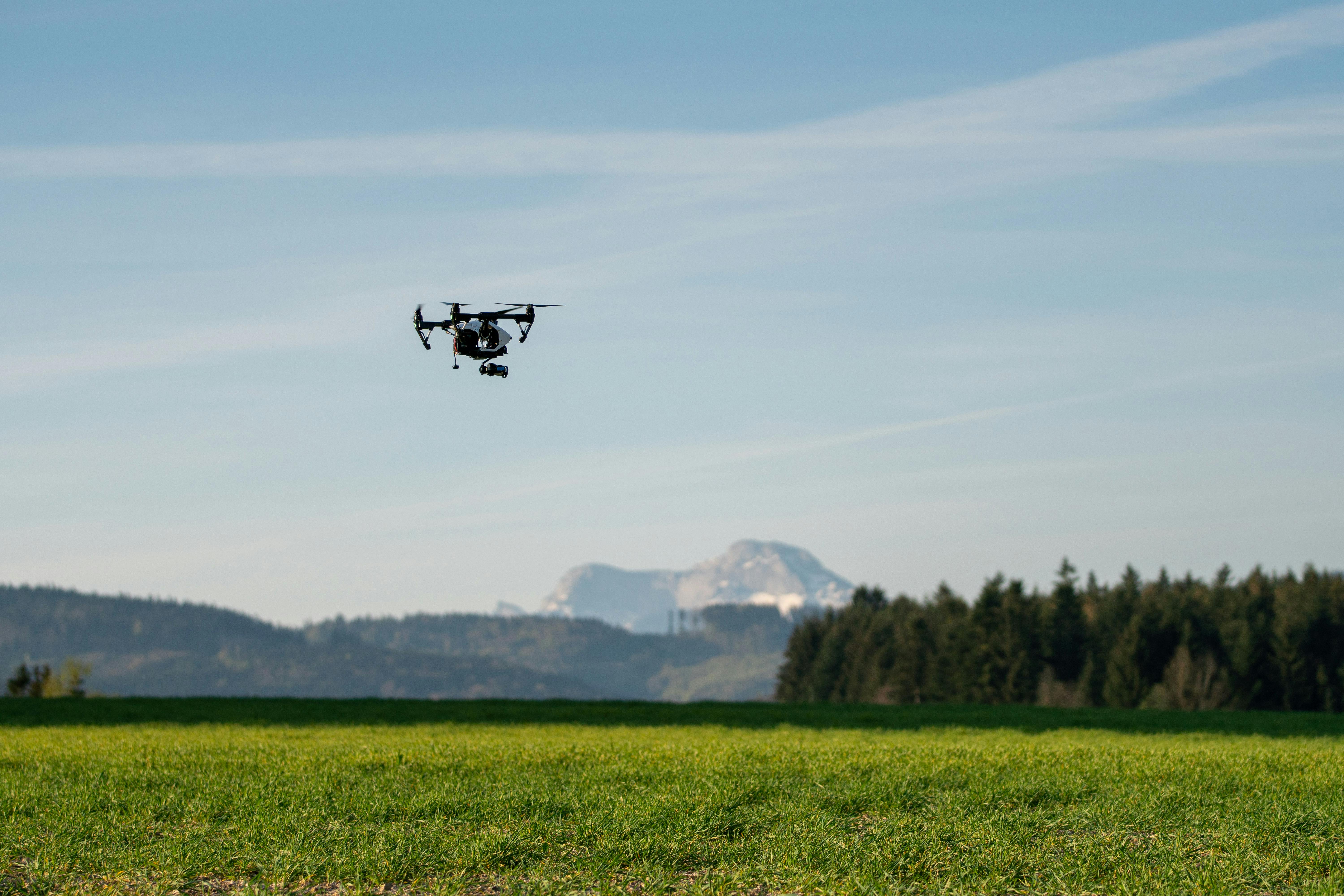
    Drone Service Provider UAS Over Field

    Picture the scenario: Drone service providers often drive for miles and many hours to a remote shoot location and after the end of a long day once they have returned home realizes they’ve missed several crucial pieces of footage the client needed. Or, as was mentioned in the previously listed reasons, the only equipment brought failed so they couldn’t get all the footage that was needed. Either way, it requires another day’s worth of work and more time and expense. This problem could’ve been solved with two different drones for the same mission.

    Reason number four: Kill one bird with two stones.

    Not exactly how the saying goes. Also, it’s not my favorite expression because I love birds and especially drone “birds”. And I don’t kill birds. Not even then the vengeful ones that dive-bomb and attack friendly drones. But the point is: that the task will be accomplished more efficiently, thoroughly, and faster because your drone service provider arrived with more than enough gear to get the job done. I don’t always say always…but…Always have a backup; always have a backup plan if you run into an issue; and always have a backup cord and so on.

    And this brings me to my last reason…

    Reason number five: More than one tool for more than one application to get the job done.

    Each mission is different. One might require basic listing shots for a realtor’s residential home listing. Another might require mapping and/or surveying of a roof for a commercial building for a 2D ortho map. Or maybe a combination. So these require different applications and different drones that work with those applications.  Drone service providers believe in being fully equipped means being ready to get any required job done.

    The climate is a factor as well.  Because some drones perform better in poorer weather conditions such as light rain, heat, cold, and higher wind speeds.

    So, no matter how you slice it, no single drone is the best platform for all occasions, and depending on what we need from them in terms of imagery and operations, having multiple drones allows you to cover more bases as well as have a backup.

    Image of Pexels Photo
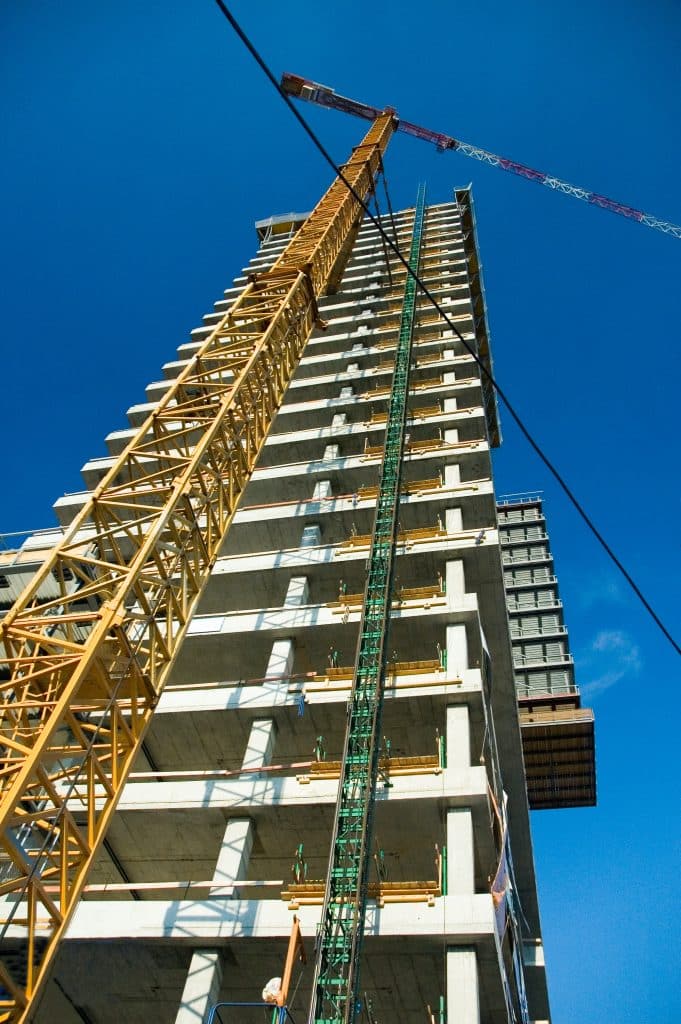
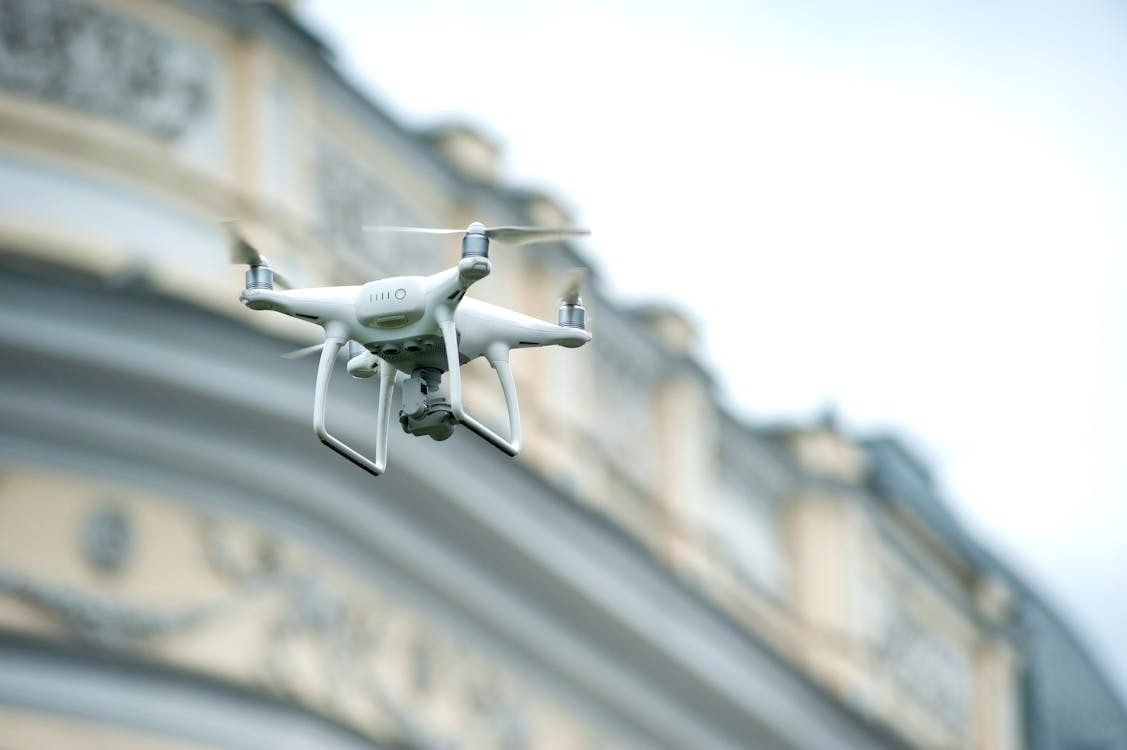
    UAS Hovering Near Building
    Image of Pexels Photo
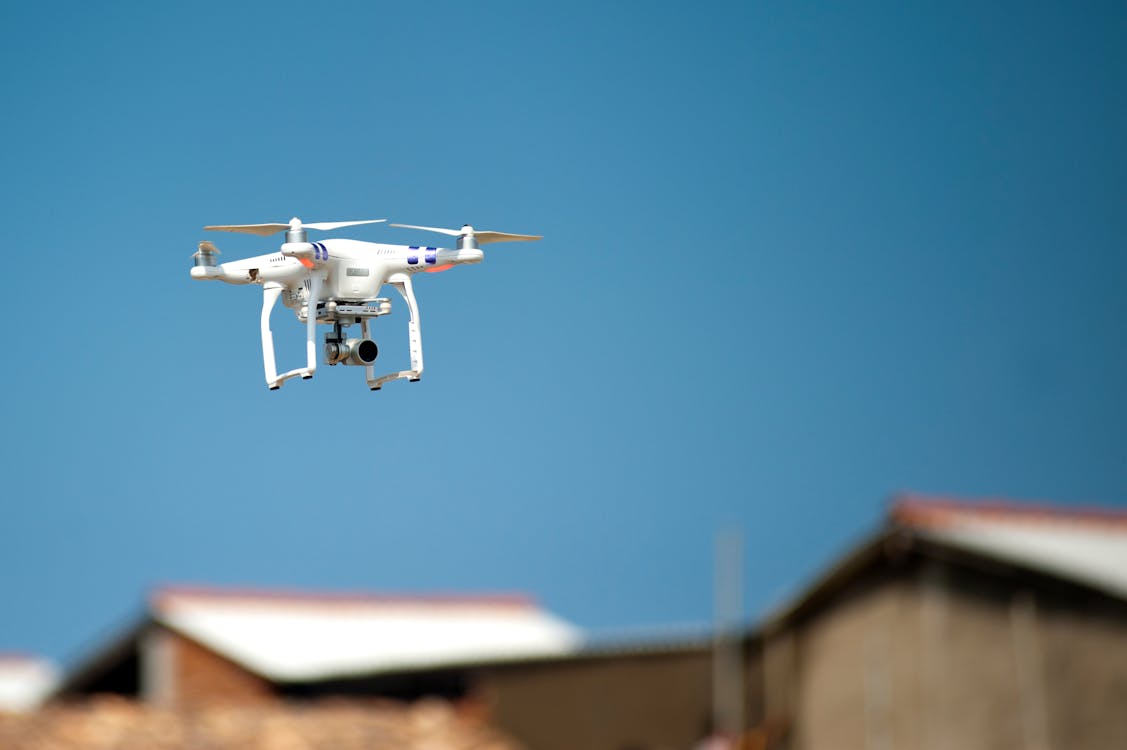
    Drone Service Provider Construction Drone
    Image of Pexels Photo
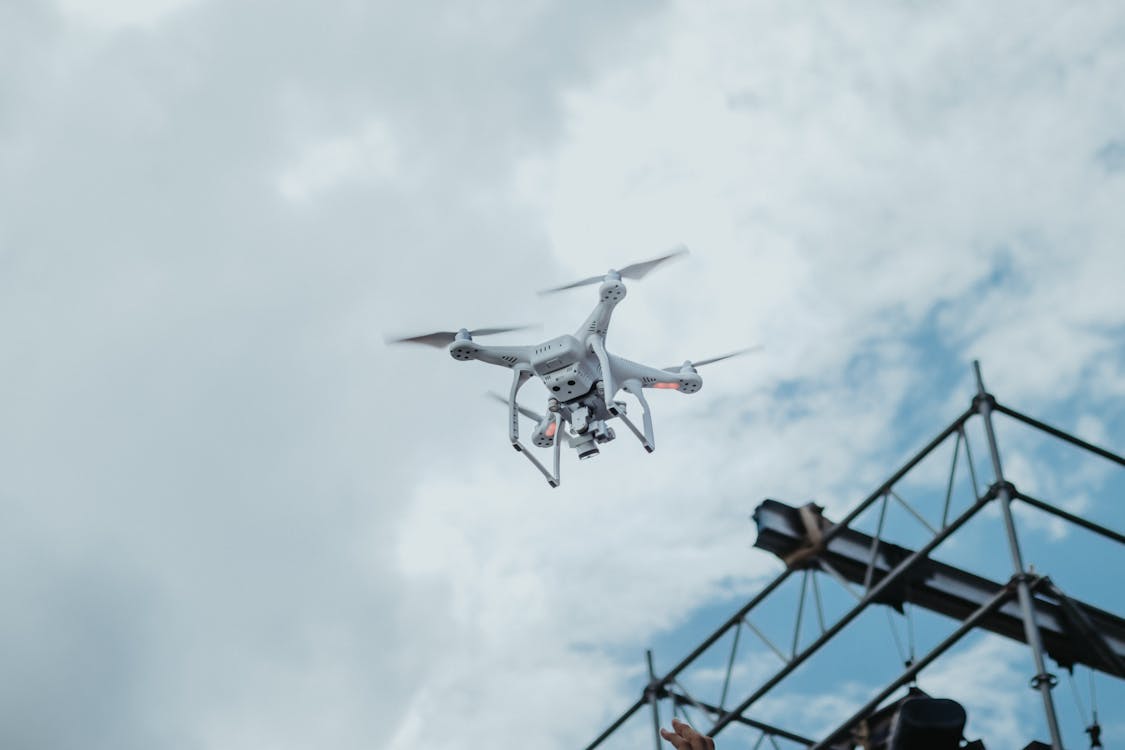
    Quadcopter Drone in Flight
    Image of Pexels Photo
    UAS at Dusk

    From The Editor:

    Do you need to hire a professional drone service provider?  To speak to an aerial data specialist, fill out a form, email us or for even faster response times, give us a call at (833) FLY-4YOU or (833) 359-4968.  Check out our transparent pricing at Drone Photography Pricing and watch this space as we expand on the above topics and more over the coming weeks and months.  If you like this post, feel free to click the share button at the bottom of the page.  We appreciate you helping us by spreading the content we share on our blog.

  • 5 Reasons for FAA-Registered Drone Service Providers

    5 Reasons for FAA-Registered Drone Service Providers

    Register Your Drone at www.faadronezone.faa.gov

    The Federal Aviation Administration (FAA) regulates all airspace in the United States and has specific statutory rules for unmanned aircraft systems, including the need to register drones. At the time of this writing, there were 347,957 commercial drones registered in the US. So why should commercial drone pilots register their drones?

    Image of Drone Lights X
    Register Your Drone at www.faadronezone.faa.gov

    1. It helps ensure the safety of our national airspace

    The FAA created the National Airspace System (NAS) to protect people and property on the ground, and to establish a safe and efficient airspace environment for civil, commercial, and military aviation.

    Drones are fundamentally changing aviation, and the FAA is working to fully integrate drones into the NAS. FAA Part 107 is the set of FAA regulations that describe how, when, and where drones may be flown for commercial purposes. By flying registered drones under Part 107 rules, commercial drone pilots are helping to keep people, property, their drone, and our National Airspace safe.

    2. The FAA will soon require Remote ID (RID) to track the use of drones

    As part of a new Unmanned aircraft Traffic Management (UTM) system, the FAA recently announced the Remote Identification (RID) rule for drone pilots. Under this new rule, all drone operators are required to equip their drones with RID technology no later than September 16, 2023.

    Remote ID will broadcast a unique identifier that is tied to the drone’s registration, allowing the FAA, law enforcement, and other federal agencies to log flight paths, track drone operations, and locate the control station when a drone appears to be flying in an unsafe manner or in an area where it is not allowed to fly. This technology also lays a foundation for the safety and security groundwork needed for more complex drone operations utilizing UTM in the future.

    Image of Faa Pilot
    FAA Remote Pilot Seal

    3. A unique FAA registration number must be displayed on all commercial drones

    Per FAA Part 107 regulations, all drones weighing less than 55 pounds that are flown commercially must be labeled with a unique registration number that is clearly visible on the outside of the drone.

    4. It only costs $5 and takes about 10 minutes to register a drone for commercial use

    Commercial drone operators must register each of their drones individually with the FAA Drone Zone. The good news is that this can be done online, and only costs $5 per drone.

    5. Pilots who fly an unregistered drone for commercial purposes may face steep penalties

    Registering a drone at the FAA Drone Zone website is a statutory requirement. Failure to register a drone may result in both civil and criminal penalties. The FAA may assess civil penalties up to $27,500, and criminal penalties of up to $250,000 and/or imprisonment for up to three (3) years.

    Conclusion

    The benefits of commercial drone registration are clear. By requiring commercial drone pilots to 1) hold a Remote (Part 107) Pilot Certificate and 2) register each of their drones individually, each pilot can, and should be, held accountable for their actions.

    From The Editor:

    Do you need to hire a professional drone service provider?  To speak to an aerial data specialist, fill out a form, email us or for even faster response times, give us a call at (833) FLY-4YOU or (833) 359-4968.  Check out our transparent pricing at Drone Photography Pricing and watch this space as we expand on the above topics and more over the coming weeks and months.  If you like this post, feel free to click the share button at the bottom of the page.  We appreciate you helping us by spreading the content we share on our blog.

  • 5 Reasons to Prioritize Pre-Flight Checklists for Drone Services

    5 Reasons to Prioritize Pre-Flight Checklists for Drone Services

    1. Safe and Professional Operations

    Just like commercial airline pilots use a checklist before each flight, drone pilots use  pre-flight checklists to ensure their operations are safe and legal. In addition to ensuring aircraft readiness and considering things like weather, site safety and crew briefings, checklists also help pilots ensure compliance with FAA, state and local regulations that govern the commercial use of drones.

    2. Redundancy = Consistency

    Checklists augment pilot memory to ensure that all required actions are performed in an orderly manner and without omission. When properly implemented, checklists are used redundantly and consistently before every flight, regardless of how many times the pilot has flown a particular aircraft or mission.

    3. Complacency = Missed Steps

    The aim of implementing a checklist is not simply to read through and check off items. Rather, the objective is to prevent complacency by methodically following every step. Forcing oneself to read each checklist item may seem awkward and time-consuming to a drone pilot who has flown a particular aircraft many times before. However, if a pilot scans the items to be checked quickly due to time pressures, versus taking time to consider each step, missed or incorrect steps can result in disaster.

    4. They’re Not Just for Pilots

    The pre-flight checklist is an integral part of effective Crew Resource Management, which enhances teamwork, increases communication and transforms operational hierarchy to improve safety and reduce risk. When used effectively, the checklist is key to ensuring that the entire flight crew is on the same page and properly briefed for every mission.

    5. They’re Not Just for Pre-Flight

    Pre-flight, in-flight and post-flight procedures are all part of a comprehensive checklist. Best practices should include, but not be limited to, these high-level considerations:

    Pre-flight

    – Airspace restrictions and weather considerations

    – Pilot and crew mental and physical fitness

    – Site inspection and mission walk through

    – Take-off, landing, safety perimeter and emergency abort zones established

    – Crew and bystander briefing

    – Aircraft, payload and flight system inspection

    In-Flight

    – Take-off procedure

    – Maintain visual line of sight with aircraft

    – Maintain safe operating distance from people and obstavles

    – Monitor airspace for other aircraft

    – Maintain “sterile cockpit” to avoid pilot distraction

    Post-Flight

    – Landing procedure

    – Power down sequence

    – Data acquisition procedure

    – Post-flight aircraft inspection

    – Flight logging

    Conclusion

    Replacing human error with a strong safety culture and reliance on proven procedures is paramount to the success of any drone services provider. Aviation safety studies have shown that consistent and methodical use of checklists reduces risk by virtually eliminating mistakes and oversights. A strong emphasis on team intelligence and effective procedures like operational reports and checklists can ensure teams are on the same page and operating at peak effectiveness.

    Bottom Line: Take the time to do it right – or don’t fly

    From The Editor:

    Do you need to hire a professional drone service provider?  To speak to an aerial data specialist, fill out a form, email us or for even faster response times, give us a call at (833) FLY-4YOU or (833) 359-4968.  Check out our transparent pricing at Drone Photography Pricing and watch this space as we expand on the above topics and more over the coming weeks and months.  If you like this post, feel free to click the share button at the bottom of the page.  We appreciate you helping us by spreading the content we share on our blog.

     

  • 5 Reasons for FAA-Certified Drone Service Providers

    5 Reasons for FAA-Certified Drone Service Providers

    This is the first in a series of “Five Reasons” articles. Over the next several months, we’ll explore key areas for consideration, what to look for and questions to ask when hiring a commercial drone service provider to fly your important mission.

    5 Reasons to Insist that Your Drone Service Provider is an FAA-Certified Remote Pilot

    1. Flying a Drone for Commercial Purposes Without FAA Part 107 Certification is Illegal 

    The civil penalties for flying a commercial drone without an FAA remote pilot’s certificate are up to $32,666 for each incidence. After the violator receives a letter of warning letter from the FAA, this fine may be charged per day for continual illegal use of a drone for commercial purposes. The FAA may also impose criminal sanctions, which include a fine of up to $250,000 and/or a prison sentence of up to three years upon conviction (49 U.S.C. § 46306(b) and (d)).

    2. Hiring an Unlicensed Commercial Drone Service Provider is Illegal

    Federal statute (49 U.S. Code § 46306(b)(8)) declares that “a person shall be fined (up to $250,000) under title 18, imprisoned for not more than 3 years, or both, if the person . . .  knowingly and willfully employs for service or uses in any capacity . . . an individual who does not have an airman’s certificate authorizing the individual to serve in that capacity”

    Image of Pexels Jeshootscom X
    A Safe Bet: Certified and insured drone service providers

    3. Aviation Knowledge and Regulatory Compliance

    A commercial drone pilot has a primary responsibility to follow all regulations established by the FAA to keep our national air space safe for everyone. A certified commercial drone pilot will understand where, when and how high they can fly and, if needed, they’ll know how to get permission to fly in different classes of air space. 

    4. Safety

    Flying a drone is relatively simple and straightforward, but flying safely is an entirely different matter. Licensed drone pilots spend many hours learning FAA drone regulations – rules that are designed to keep people, property and air space safe. They understand how wind speed, visibility, clouds and other conditions can affect flights;  and make safety a priority by adhering to crew resource management and medical guidelines while following proven risk management protocols and procedures.

    5. Professionalism

    A licensed drone pilot should be expected to demonstrate professionalism through an unwavering commitment to FAA regulatory compliance, safety procedures, respect for privacy, and legal and ethical operations. Additionally, it’s important to  factor in their level of experience and ability to capture the high-quality aerial data required for your important project. 

    Conclusion

    As the drone industry transitions from nascent to mainstream, demand for FAA-Certified Remote Pilots continues to grow as well, and it becomes more important than ever to protect yourself from personal and professional liability. When hiring a drone service provider, ask to see their FAA Remote Pilot credentials, insurance, and preflight checklists to ensure that you are working with someone who is truly committed to professionalism and regulatory compliance.

    From The Editor:

    Do you need to hire a professional drone service provider?  To speak to an aerial data specialist, fill out a form, email us or for even faster response times, give us a call at (833) FLY-4YOU or (833) 359-4968.  Check out our transparent pricing at Drone Photography Pricing and watch this space as we expand on the above topics and more over the coming weeks and months.  If you like this post, feel free to click the share button at the bottom of the page.  We appreciate you helping us by spreading the content we share on our blog.

  • 5 Benefits of Hiring Licensed and Insured Drone Pilots for Real Estate Agents

    5 Benefits of Hiring Licensed and Insured Drone Pilots for Real Estate Agents

    The simple fact is the real estate market is a veritable magnet for drone service providers of all skill and experience levels; from the most tenured real estate drone photography company to the guy who splurged on a Mavic 3 and read Drones for Dummies (yes, it really exists!).  In the case of the former, these drone photography companies have invested significantly in training and equipment; more importantly, they have secured their FAA credentials and are adequately insured.  The latter, well, let’s just say that shortcut could cost you dearly.

    Explosive Growth: Opportunity and Risk

    The drone industry is expected to grow at 15.37% CAGR over the next five years – and that growth is expected to continue. Sales of consumer drones in the US exceeded $1.25 billion in 2020 and, as of January 2021, there are 873,576 drones registered in the US.  Of that number, registered commercial drones total 365,194.  To round out the total drone population, the FAA reports 504,878 registered drones that are used primarily for recreational purposes.

    This is incredibly exciting news for the drone industry and aligns with most industry experts who project the commercial drone industry to grow to $63.6B (yes Billion!) by 2025.  But with the industry’s explosive growth, we foresee a proverbial land rush of new aerial photography service providers entering the marketplace – unfortunately, a few who will knowingly cut corners to make quick cash.  When you consider only 225,866 (or roughly 26%) of the total drone population are operated by drone pilots who hold an FAA Part 107 Certification, it becomes even more critical for real estate professionals to ask drone service providers a few very important questions.

    Image of Jmbrammer Rabbit Ridge X
    Photo: Courtesy of Jim Brammer Photography

    Amateur Drone Operators Drawn to Real Estate

    Being acutely aware of the current real estate bull market, we see significant competition for real estate drone photography.  Novice drone operators are naturally drawn to real estate photography.  With minimal overhead and modest investment in their business, the untrained and un-insured drone operator can compete on razor thin margins and offer super low prices.  Without sufficient professional training and insurance coverage, it’s easy to see how something might go wrong.  It’s understandable, however, that we see so many real estate professionals opt for the lowest bid but know there are risks associated with going that route – not only to the drone pilot but also the agents themselves.

    Image of Fram
    “You Can Pay Me Now, or Pay Me Later”

    This brings to mind the old Fram Oil commercial where the auto tech famously said, “You can pay me now or, you can pay me later”.  In short, it’s wise to consider more than just price when hiring a drone photography service.   We hope these 5 questions help:

    1. Minimize Financial Risk and Personal Liability: You don’t have to look far to find evidence of near catastrophic drone-related accidents.  There are plenty of examples: Here in Southern California, as recently as last September, a Hollywood man was charged with reckless operation of a drone when after responding to a report of a burglary, the suspect flew his drone into an airborne police helicopter, forcing an emergency landing after the mid-air collision.  Just last December, a Philadelphia man was slapped with a $182k fine, the 2nd largest of all time, for conducting at least 26 unauthorized drone flights from December 2019 through August 2020.  Fortunately, both incidents were single-entity related but know that, if either of these incidents were being performed in the course of providing commercial drone services, the legal actions could extend to the hiring entity.  Action:  Ask your drone pilot to show evidence of current aviation liability insurance from a reputable drone insurance carrier.  It is a good practice to insist that your drone provider carry a minimum of $1M in liability coverage.

    2. Verify Pilot Technical Competency: The FAA offers a commercial drone pilot certification and an official license.  Commonly referred to as Part 107, this certification requires rigorous pre-test training on a variety of highly technical aviation and weather-related concepts and, with a passing test score, provides the drone pilot with a sUAS remote pilot certificate that authorizes them to fly commercial drone missions. Hiring a non-FAA Part 107 licensed pilot should leave serious doubt in their ability to truly understand the more technical aspects of real time airspace interactions with other manned and un-manned aircraft as well as the more sophisticated aviation-related “rules of the road”.  Additionally, Federal statute (49 U.S. Code § 46306(b)(8)) declares that “a person shall be fined (up to $250,000) under title 18, imprisoned for not more than 3 years, or both, if the person . . .  knowingly and willfully employs for service or uses in any capacity . . . an individual who does not have an airman’s certificate authorizing the individual to serve in that capacity”.  Action: Ask to see the operator’s FAA issued Part 107 Remote Pilot License and verify that it is current.

    3. Ensure that High Safety Standards are Enforced: The FAA has a system in place to report drone accidents.  In fact, FAA Part 107 certified drone pilot are required to report an incident to the FAA Regional Operations Center within 10 days if a drone accident: Results in serious injury to any person, Causes any person to lose consciousness, or Causes damage to property (other than their drone) exceeding $500.  But with only 26% of the drone population being FAA certified, the reality is that many accidents will go unreported to the FAA.  That doesn’t mean the Agent’s risk has been diminished.  Drone accidents are still reported to police and personal insurance if damage to property or a 3rd party is the direct result of a crash due to pilot error.  And, it is likely that drone incidents will increase in proportion to the number of new entrants into the commercial marketplace as, for many, the allure of fast cash is just too tempting to bypass. Action: Hire only FAA Part 107 Certified Pilots.

    4. Confirm that Missions are Well Planned and Properly Executed: Drone mission planning is THE most critical part of the overall mission.FAA-certified commercial drone pilots are highly trained in every aspect of mission planning.  From airspace restrictions to real time weather to airborne interactions with other un-manned or manned aircraft, commercial drone pilots are inherently  able to mitigate risks by ensuring every flight is well planned and professionally executed.  Action: participate in your drone crew’s pre-flight mission planning.  Ask questions and use your judgement.  Bottom line, ask to see the drone pilot’s pre-flight checklist.  Every professional pilot will have one.

    5. Expect Project Deliverables to be Met with Professional Output: Commercial drone pilots live and die by their reputation.  They have each made a significant investment of time and money in their business and are generally here for the long term.  Their output is their calling card so great attention to deliverables and high-quality output are inherent in most drone professionals.  Action: ask to see the drone service provider’s reel, online portfolio, YouTube and/or Vimeo page and, most importantly, ask for references from former clients.

    Summary

    While increased drone usage will surely bring new and exciting economic opportunity for business, more drones in the sky will also bring more risk for drone crashes and drone injuries.  Now is the time to protect yourself from professional and personal liability.  Hire only FAA Part 107 certified and insured drone pilots for your next real estate project.  Also, make sure to read: Questions to Ask Your Drone Service Provider to learn how to protect yourself from financial risk!

    Sources:
    faa.gov
    Dedrone

  • Questions to Ask Your Drone Service Provider

    Questions to Ask Your Drone Service Provider

    The number of providers offering drone-based commercial aerial photography, videography and data gathering services is rapidly increasing. Unfortunately, not all drone service providers are created equal. Selection of a qualified provider breaks down into two major categories:

    1) Regulatory

    Many drone operators, as well as their prospective Clients, are unaware that FAA regulations specifically govern the safe use of this technology and prohibit the use of drones for commercial purposes unless a) the drone is registered with the FAA and b) the pilot holds a Remote Pilot Certificate with an sUAS rating. Clients should verify pilot credentials and aircraft registration before hiring a drone service provider.

    2) Safety, Ethics, Experience and Professionalism

    Even if they are Certified Remote Pilots, many operators lack the necessary insurance and competence to operate drones safely, ethically and professionally. The quality of the final deliverable often depends on the skills and artistry of the operator – and these skills can vary widely. Here too, Clients should verify qualifications by asking to see samples of an operator’s work before hiring them, as well as verifying safety practices and procedures, business license and insurance credentials.

    Image of Part Web E

    Certification and Documentation – Ask to See It!

    • FAA Remote Pilot Certificate with a small Unmanned Aerial System (sUAS) rating
    • FAA Certificate of Aircraft Registration
    • Business License
    • Insurance policy declarations and endorsements
    • Pre-flight Checklist, Flight Operations Manuals, Aircraft Operations Manuals, Flight and Maintenance Logs, etc.

    Equipment

    A properly-equipped operator will have multiple sUAS, providing backup and redundancy for any on-location equipment issues that may arise

    Image of Crew

    Crew and Roles

    • FAA-certified pilot required
    • Visual Observer highly recommended to help manage manned aircraft right-of-way, proximity to people, power lines, guy lines and other hazards
    Image of Gsds Shield

    Safety and Operating Procedures

    • Go/No-Go procedures (personal minimums such as wind conditions, cloud cover, visibility, etc.)
    • What safety precautions will they utilize for your specific project and location?
    • Pre-flight planning and risk management processes?
    • Area and environment – proximity to airports and airspace restrictions, hazards, weather and bystanders?
    • Public awareness – notify nearby property owners and residents of flight date, time, location, duration, etc.?
    • Contingency planning and emergency procedures for safe exit routes in case of system failure of lost link, etc.?

    Experience (as both pilot and photographer)

    Pilot:

    • How many hours does the pilot have?
    • Are they current on the aircraft that they will be flying?

    Photographer:

    • What, if any, are the provider’s professional photography credentials?
    • Do they possess the skills and artistry to deliver quality results?

    Overall Professionalism

    Does your pilot demonstrate professionalism and a commitment to FAA regulatory compliance, safety procedures, legal and ethical operations, respect for privacy, etc.?

    In this inaugural blog from Aerial Decisions, we’ve provided an overview of questions to ask your drone service provider. We’d love to hear your thoughts on these issues. Please check our website at and watch this space as we expand on the above issues and more over the coming weeks and months.