Category: Drone Technology

  • How Drones & Software Enhance Inventory Control

    How Drones & Software Enhance Inventory Control

    As a veteran Drone Service Provider (DSP) that specializes in construction progress monitoring, we’ve grown to appreciate just how much our commercial construction clients rely on us delivering the capabilities of generating regular stockpile measurements.  Stockpile measurements are critical for organizing and managing material and critical supplies ordering and replenishing, essential components for the ongoing production of any construction project.

    What are Stockpile Measurements used for?

    Inventory Management: Stockpile measurements help construction project managers and key team members keep track of the quantity of materials available on-site. This information is essential for ensuring that there is an adequate supply of materials to support ongoing construction activities without delays.

    Resource Planning: By knowing the volume of materials in stockpiles, construction project teams can plan resource allocation more effectively. This includes determining when to order more materials to replenish stockpiles and avoid shortages that could halt construction progress.

    Cost Management: Accurate stockpile measurements allow project managers to better manage costs by preventing over-ordering or under-ordering of materials. This helps to optimize budgets and avoid unnecessary expenses.

    Space Optimization: Understanding the volume of materials in stockpiles helps optimize the layout of the construction site. By strategically arranging stockpiles, managers can maximize available space and improve workflow efficiency.

    Quality Control: Regular stockpile measurements enable internal teams to monitor the quality of materials over time. This helps to identify any issues such as degradation or contamination early on, allowing for timely corrective action to maintain construction quality standards.

    Internal team members depend heavily on accurate stockpile measurements to make informed decisions about material usage and ordering. By having precise data on the quantity and status of materials on-site, construction project managers can anticipate when supplies are running low and proactively order more, thereby avoiding costly delays in construction timelines. Furthermore, these measurements aid in optimizing storage space and preventing overstocking, which can tie up capital and create unnecessary clutter on the site.

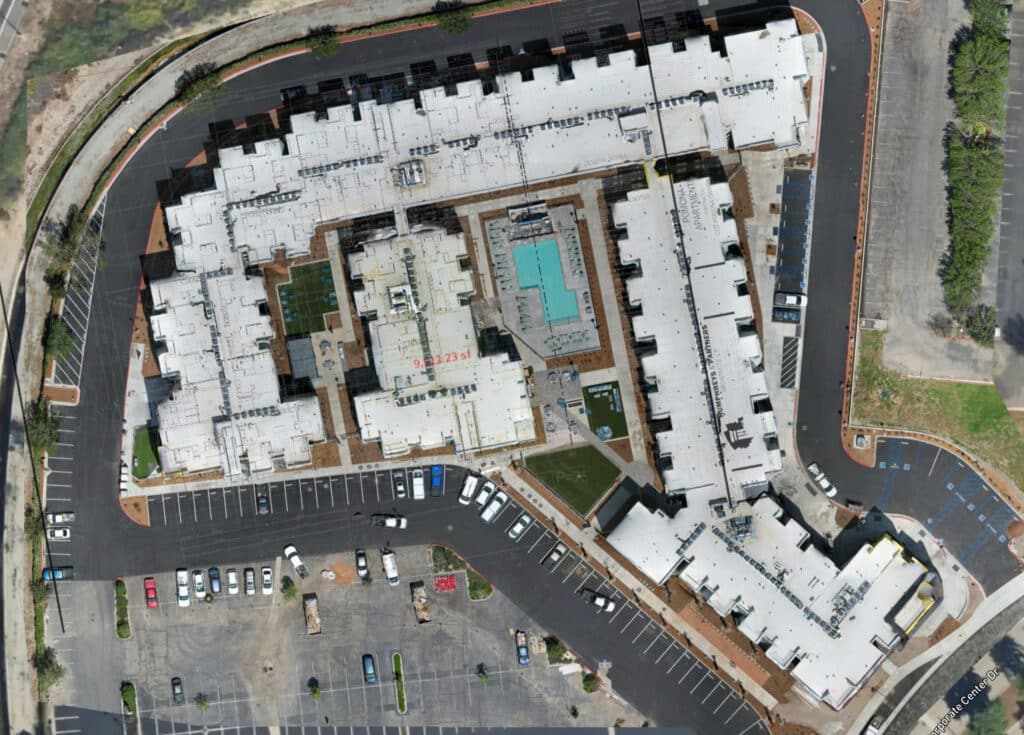
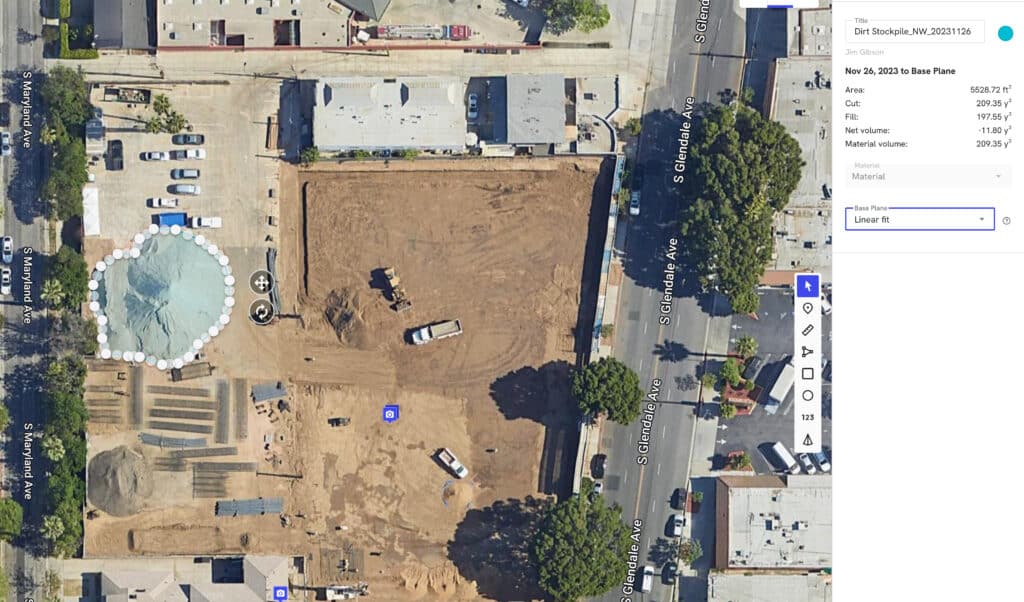
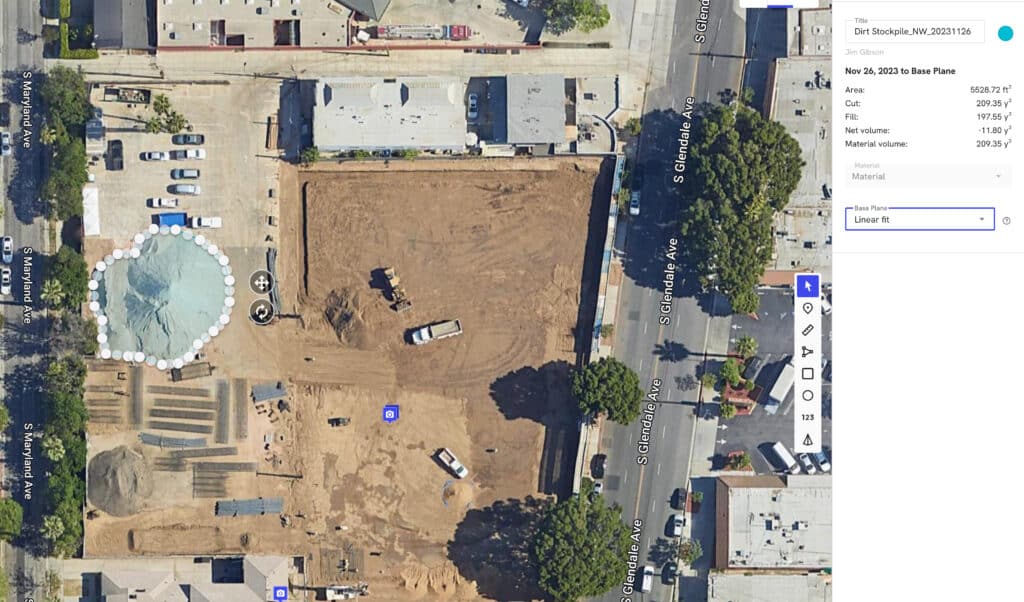
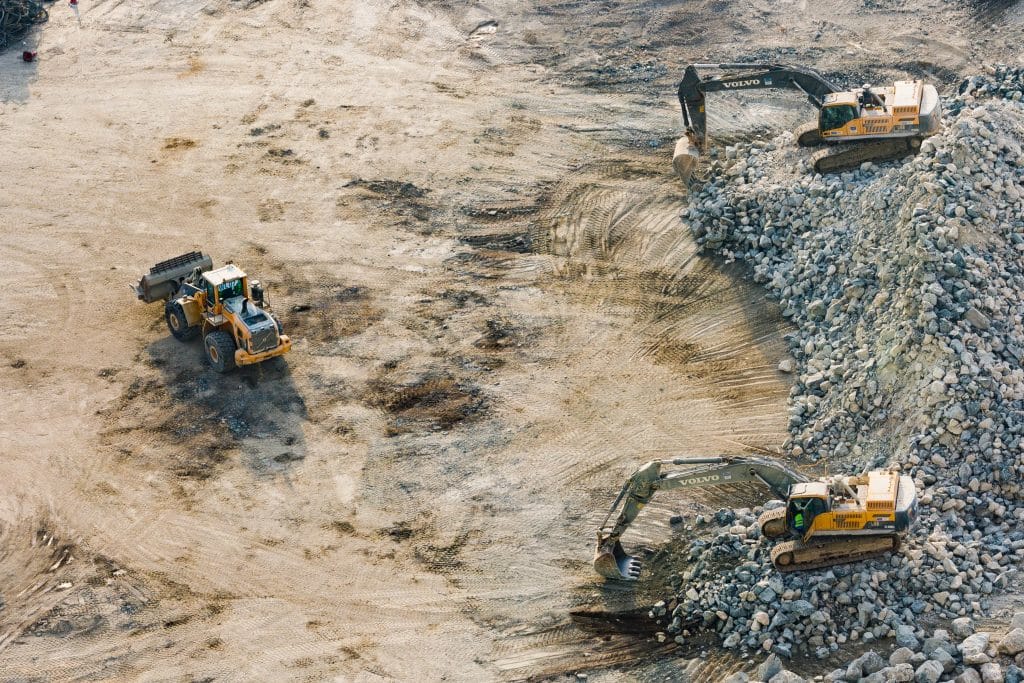
    Stockpile Measurements of a Construction Dirt Pile
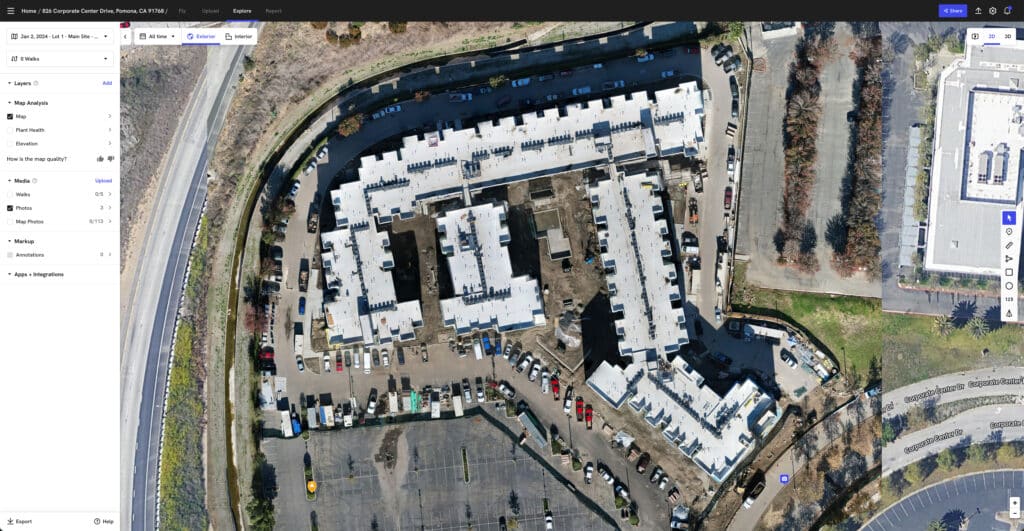
    Software Can Convert Regular Drone Images to an Ortho Rectified Image thus Enabling Accurate Stock Pile Measurements

    How Drones Have Changed the Stockpile Measurement Game

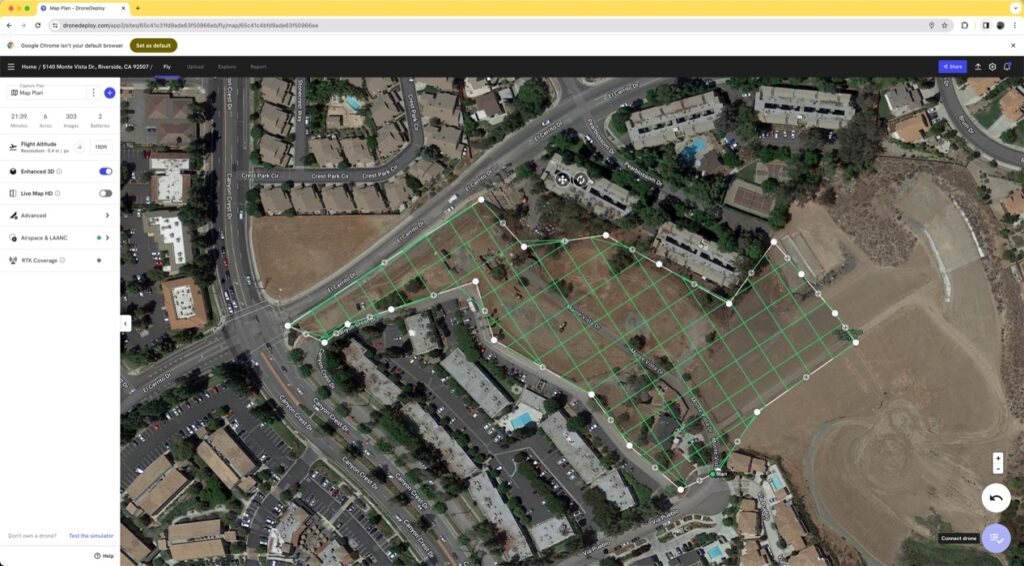
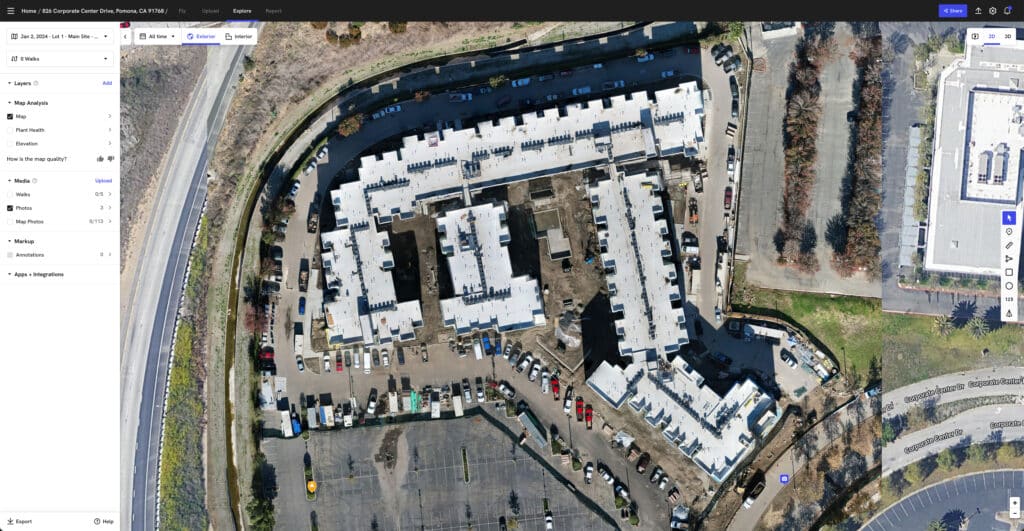
    Traditionally, obtaining stockpile measurements involved manual methods that were time-consuming and prone to errors. However, the advent of drone technology has revolutionized this process, providing a faster, more accurate, and less labor-intensive solution. Tools like DroneDeploy have become invaluable in streamlining data collection by allowing us to quickly capture high-resolution aerial imagery, called Orthomosaics, of construction sites. 

    The integration of drone technology into stockpile and inventory management has brought about several significant advantages for our clients. One of the most notable benefits is the ability to collect volumetric data in near real-time. Drones equipped with advanced sensors can capture detailed information about stockpile quantities without the need for manual measurement or site visits. This enables construction project managers to monitor stockpile levels remotely and make informed decisions promptly.

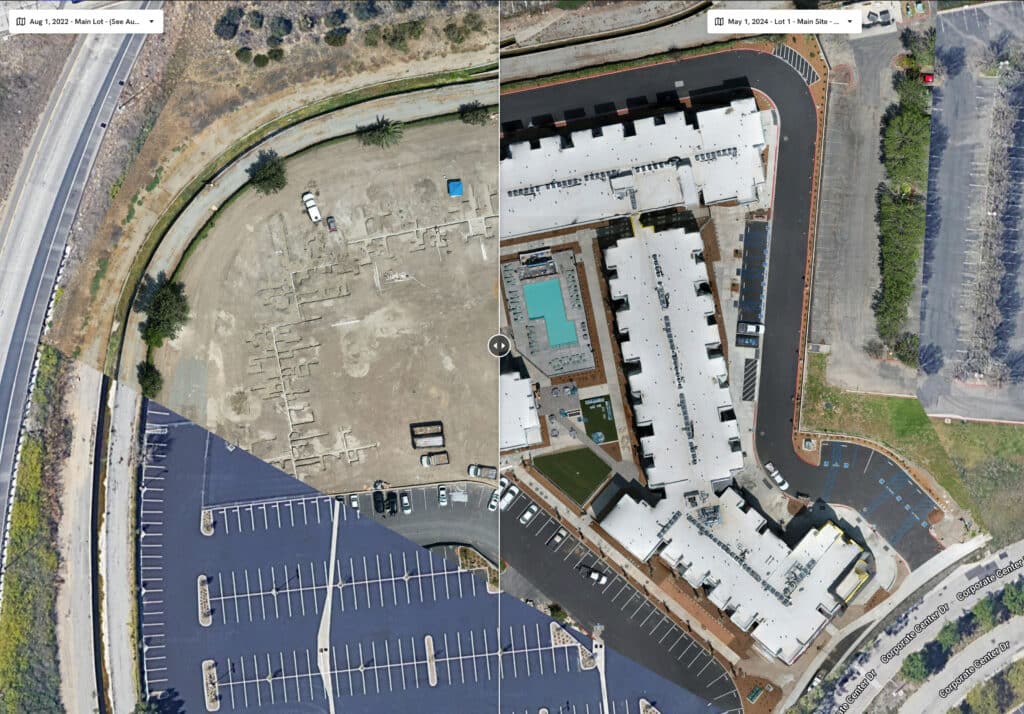
    Orthomosaic of Commercial Construction Site
    Orthomosaics are Invaluable Tools for Construction Project Managers

    Drones Deliver Highly Sharable Data

    Additionally, drone technology facilitates the sharing of mission-critical data with internal stakeholders located in different offices, across the country, or even across the ocean. Through cloud-based platforms like DroneDeploy, volumetric data can be uploaded and shared seamlessly, fostering collaboration and ensuring that all team members have access to the same accurate information. This level of accessibility and transparency is essential for maintaining alignment and driving project success.

    In summary, volumetric or stockpile measurement data collection depends on drone technology to create efficiencies at scale. By leveraging drones and innovative tools like DroneDeploy, construction project managers can streamline the process of gathering and analyzing stockpile data, leading to better decision-making and more effective management of materials and critical supplies. This not only saves time and resources but also enhances overall project outcomes, ultimately contributing to the success of commercial construction endeavors.

    From The Editor

    Do you need to hire a professional drone service provider for your project?  To speak to an aerial data specialist, fill out a form, email us or for even faster response times, give us a call at (833) FLY-4YOU or (833) 359-4968.  Check out our transparent pricing at https://www.aerialdecisions.com/drone-photography-pricing/ and watch this space as we expand on the above topics and more over the coming weeks and months.  

    If you like this post, feel free to click the share button at the bottom of the page.  We appreciate you helping us by spreading the content we share on our blog.

  • The Ultimate Guide to Building Internal Construction Drone Teams

    The Ultimate Guide to Building Internal Construction Drone Teams

    As a seasoned professional in the drone services industry, I understand the critical role that enterprise drones play in revolutionizing the commercial construction sector. The ability to gather real-time data, monitor progress, and enhance safety measures has made drones an indispensable tool for construction project managers. If you’re considering building an internal construction drone crew, here are a few key considerations. I have also included a list of the top 10 drones for the construction industry. While this list is by no means comprehensive, this list of drones built for the construction industry is a great place to start.

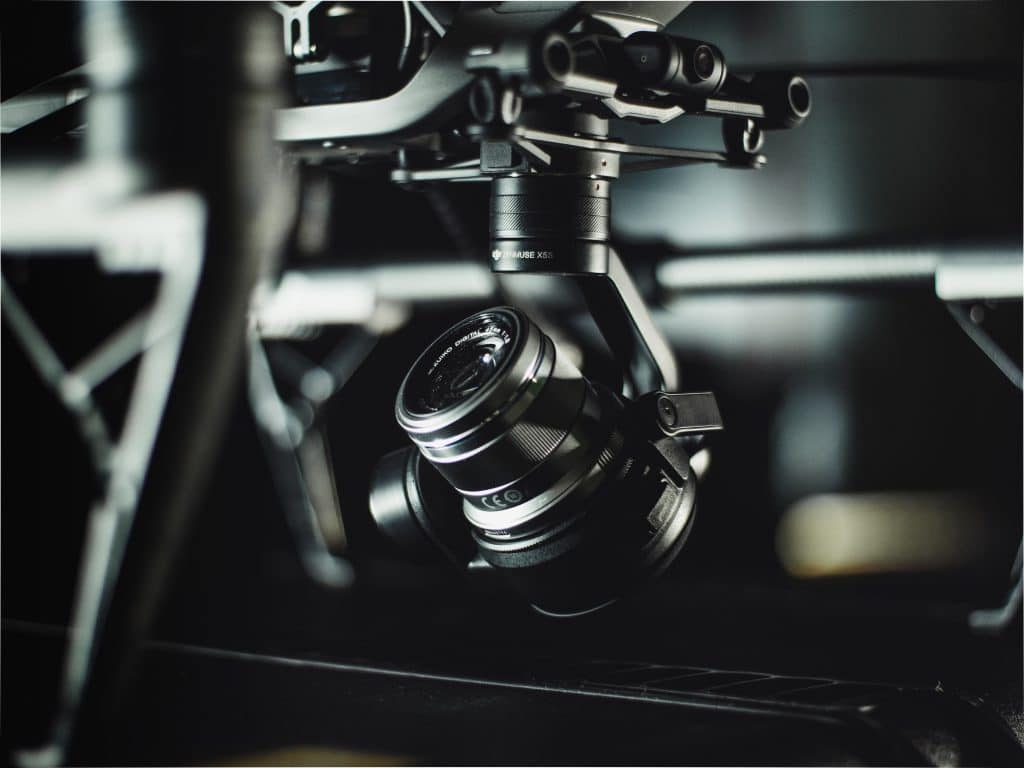
    Enterprise Drone Payload
    Enterprise Drone Payloads Can Vary Depending on the Mission Requirements

    Factors to Consider When Building an Internal Construction Drone Crew

    1. Purpose and Goals: Define the specific tasks you intend to accomplish with your drone fleet. Whether it’s site surveys, progress tracking, safety inspections, or data collection, having a clear purpose will guide your drone selection.
    2. Flight Time and Range: Opt for drones with longer flight times and extended operational ranges. This ensures wider coverage and minimizes downtime for recharging.
    3. Payload Capacity: Consider the weight of the equipment your drones need to carry, such as high-resolution cameras, LiDAR sensors, or thermal imaging cameras.
    4. Durability: Construction sites can be challenging environments. Choose drones that are rugged and designed to withstand harsh conditions.
    5. Ease of Use: A user-friendly interface and intuitive controls are essential, especially if your team is new to drone technology.
    6. Data Management: Look for drones that offer seamless data transfer and compatibility with construction software for efficient data analysis.
    7. Regulations and Compliance: Stay updated with local aviation regulations and ensure that the drones you choose comply with the necessary requirements.
    8. Training and Support: Proper training and ongoing technical support are crucial for the successful integration of drones into your construction projects.
    9. Budget: Balance your budget with the features and capabilities you require. Investing in quality drones upfront can lead to long-term cost savings.
    10. Scalability: As your projects grow, your drone fleet should be easily expandable to meet the demands of larger construction sites.

    Key Considerations When Selecting a Drone for Construction

    When selecting the ideal enterprise drone for your internal construction team, several critical factors deserve careful consideration. First and foremost, defining the precise goals you intend to achieve with the drone is essential – whether it’s site mapping, progress monitoring, or safety inspections. Flight time and operational range are crucial, ensuring extended coverage and minimized downtime.

    The drone’s payload capacity should align with the equipment it needs to carry, such as high-resolution cameras or LiDAR sensors. Durability matters, especially for the demanding construction site environment, and user-friendliness is key to ensuring seamless integration into your team’s operations. In addition, compatibility with construction software, adherence to aviation regulations, proper training, and ongoing technical support are all pivotal elements in making a well-informed choice.

    Finally, striking the right balance between your budget and the drone’s capabilities will ultimately lead to a successful addition to your construction project toolkit.

    Top 10 Drones for the Construction Industry

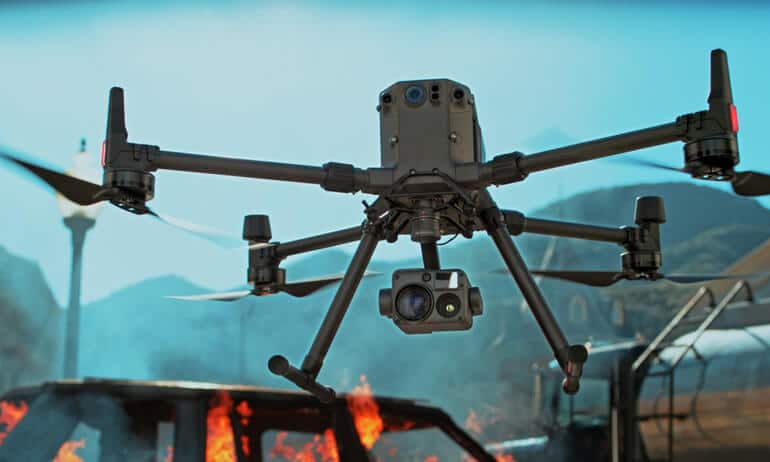
    1. DJI Matrice 300 RTK: Known for its robust design, long flight time, advanced RTK capabilities, and support for multiple payloads, this drone is a workhorse for large-scale construction projects.
    2. Skydio 2: With impressive obstacle avoidance and AI-powered navigation, the Skydio 2 excels at complex site inspections and close-quarters operations.
    3. SenseFly eBee X: This fixed-wing drone covers vast areas efficiently, making it perfect for aerial mapping and topographical surveys.
    4. Autel Robotics EVO II : Offering a variety of camera options including a high-resolution 8K variant, the EVO 2 is versatile for mapping, inspection, and monitoring tasks.
    5. Parrot Anafi USA: Built to meet the stringent needs of the U.S. military, this drone’s compact design, thermal imaging, and secure data transmission make it ideal for construction site security.
    6. Freefly Alta X: With heavy-lift capabilities, the Alta X is perfect for carrying substantial payloads like LiDAR sensors for detailed site scans.
    7. Yuneec H520: This reliable hexacopter features hot-swappable payloads, including high-resolution cameras and thermal imaging options.
    8. Autel Robotics Dragonfish VTOL: Vertical take-off and landing (VTOL) capability combined with long endurance make this drone suitable for large area mapping.
    9. Quantix Mapper: Designed for automated mapping, the Quantix Mapper provides high-resolution imagery and actionable data for construction planning.
    10. Intel Falcon 8+: Known for its stability in challenging conditions, the Falcon 8+ is suitable for precision measurements and inspections.
    DJI Matrice 300 RTK Drone
    DJI Matrice 300 RTK Drone

    My Top 5 Drones for Commercial Construction Demands

    1. DJI Matrice 300 RTK: The ultimate workhorse with advanced features and payload flexibility.
    2. Skydio 2: Perfect for navigating complex environments and conducting detailed inspections.
    3. SenseFly eBee X: Ideal for large-scale site mapping and topographical surveys.
    4. Autel Robotics EVO II: Versatile choice with high-resolution imaging for various construction tasks.
    5. Parrot Anafi USA: Offers secure data transmission and thermal imaging for enhanced security measures.

    Summary

    Building an internal construction drone crew requires careful consideration of various factors to ensure they align with your project needs and goals. The top 10 drones mentioned here provide an excellent starting point, with the top 5 drones catering specifically to the demands of commercial construction. By selecting the right drones, you can enhance efficiency, safety, and data-driven decision-making in your construction monitoring needs, ultimately leading to successful outcomes.

    From The Editor:

    Do you need to hire a professional drone service provider or 360 virtual walking tour for your project?  To speak to an aerial data specialist, fill out a form, email us or for even faster response times, give us a call at (833) FLY-4YOU or (833) 359-4968.  Check out our transparent pricing at https://aerialdecisions.com/drone-photography-pricing/ and watch this space as we expand on the above topics and more over the coming weeks and months.  If you like this post, feel free to click the share button at the bottom of the page.  We appreciate you helping us by spreading the content we share on our blog.

  • Drones Impact on the Construction Industry’s Top Challenges

    Drones Impact on the Construction Industry’s Top Challenges

    We are witnessing firsthand the transformative power of drone technology in revolutionizing some of the biggest challenges in today’s construction industry.  In this blog post, I’ll delve into the five most significant challenges that construction companies face in 2023 and beyond and demonstrate how drones can be the ultimate cost effective solution to overcome these hurdles and pave the way for a more profitable future.

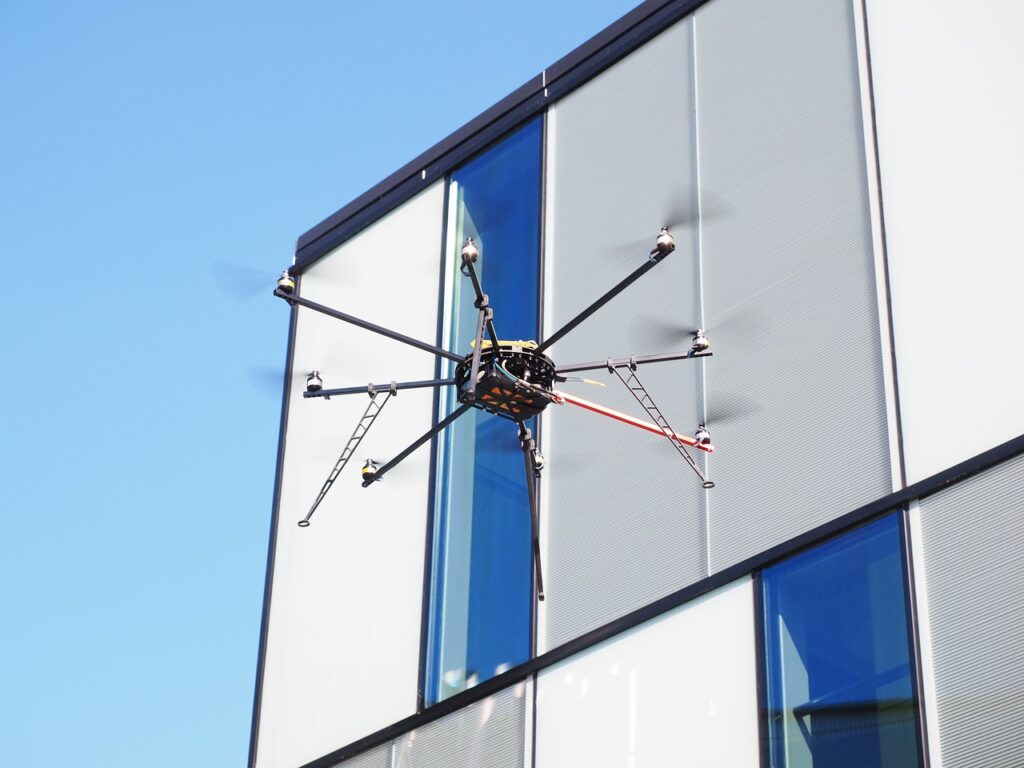
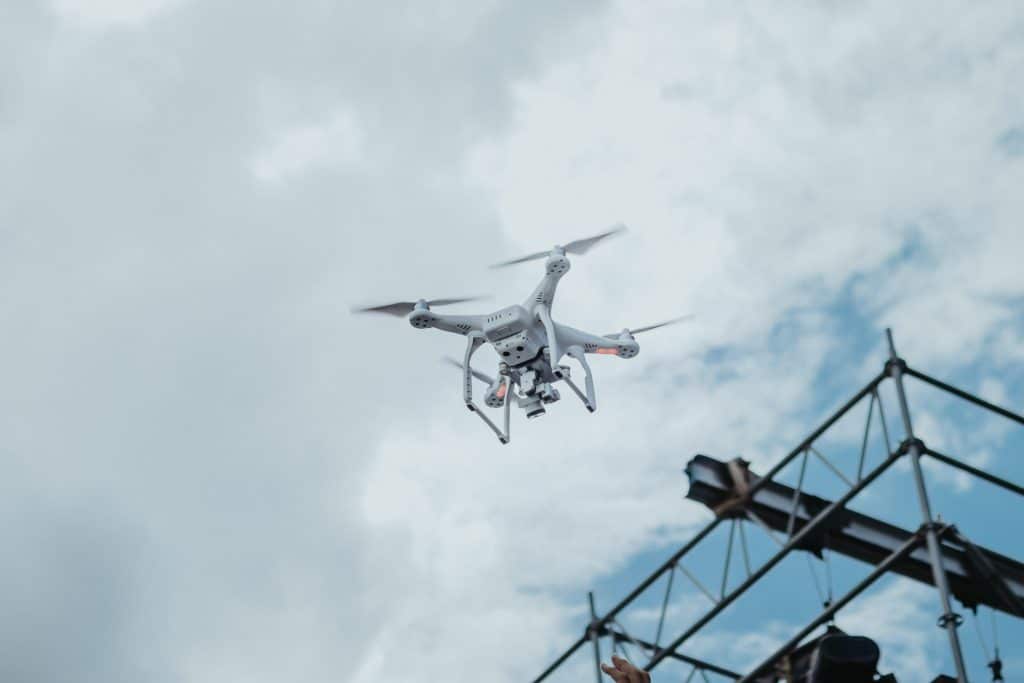
    Drone Flying Over Construction Site
    Drones can easily access hard to reach places helping construction managers quickly deliver critical data to key stakeholders

    Safety and Risk Management

    Ensuring safety on construction sites is a top priority, yet it remains an ongoing challenge. Drones equipped with advanced cameras and sensors can be our most valuable tool in conducting aerial inspections. By collecting real-time data, we enable construction teams to identify potential hazards and adhere to safety protocols diligently. For example, a construction company in Canada used drones to assess a high-rise building’s exterior for signs of wear and tear, facilitating timely maintenance and minimizing safety risks.

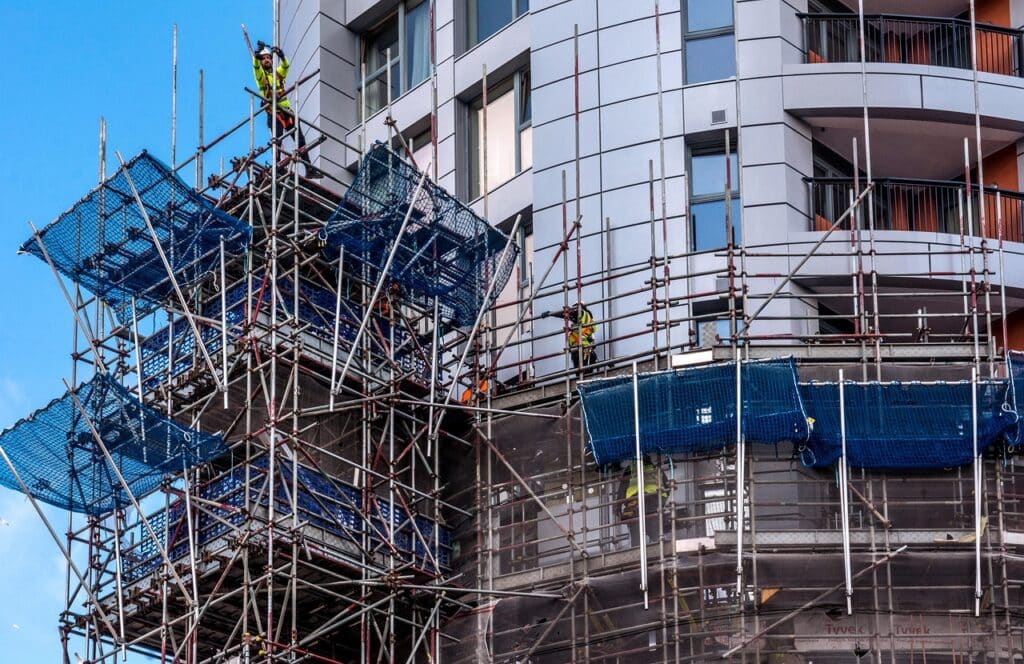
    View of Construction Site From Above
    Drones are capable of capturing data that helps project managers scale efficiencies, improve worker safety and reduce costs

    Project Monitoring and Progress Tracking

    Managing large-scale construction projects demands meticulous progress tracking. Drones excel at capturing high-resolution images and generating 3D models, allowing project managers to monitor developments and detect discrepancies promptly. A real-world instance involves a construction project in the UK, where drones were employed to track the construction of a highway expansion, streamlining communication among stakeholders and ensuring on-time completion.

    Drone Service Providers (DSP’s) like Aerial Decisions help reduce costs, boost efficiency, improve worker safety while keeping key stakeholders informed.  Drone progress monitoring adds perspective and production value to any commercial construction project.

    Environmental Sustainability

    The construction industry faces increasing pressure to embrace sustainable practices. Drones play a pivotal role in promoting environmental consciousness by conducting aerial surveys and monitoring ecological impact. With the data collected, construction companies can implement eco-friendly measures and optimize resource utilization. A construction firm in Germany utilized drones to assess the environmental impact of a wind farm project, enabling them to make informed decisions that aligned with green initiatives.

    Cost Overruns and Rising Material Costs

    Construction projects often encounter cost overruns, impacting profitability.  Drones can effectively address these challenges by providing accurate measurements and surveys. This leads to precise budget planning and minimizes unexpected expenses. A construction company in Australia harnessed drone technology to conduct volumetric surveys on a mining site, avoiding cost overruns by precisely estimating the required resources and mitigating project risks.  

    The cost of construction materials has been rising steadily in recent years, and this trend is expected to continue in 2023. This is due to a number of factors, including the increase in demand for materials, the shortage of raw materials, and the rising cost of energy.  Drones are used to collect data on the use of materials and equipment and can even deliver supplies to remote construction sites.

    Image of Construction Management Crew Scaled
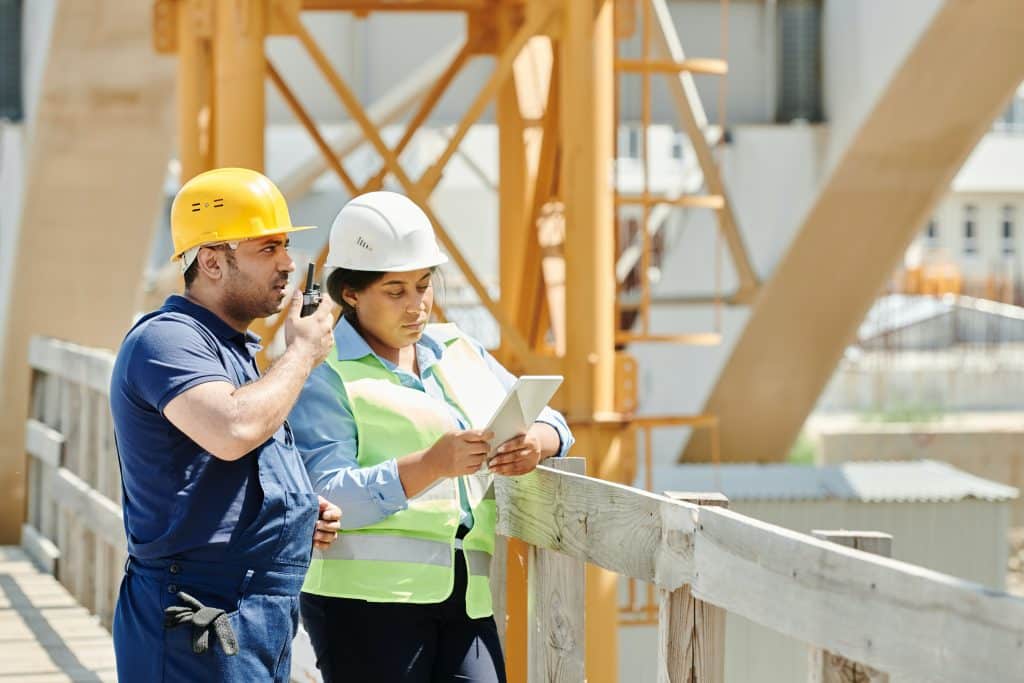
    Construction Crew Walk-Through and Safety Check

    Labor Shortages and Productivity

    Labor shortages you ask?  How can drones possibly tackle the demand for human capital?  The construction industry undoubtedly faces a labor shortage, affecting productivity and project timelines.  This is due to a number of factors, including the aging workforce, the lack of interest in construction careers among young people, and the increasing complexity of construction projects. Drones can fill this gap by performing tasks that would otherwise require substantial human effort, thus boosting overall efficiency.

    Drones Even Transport Construction Materials

    An example is a construction company in Japan that utilized drones for material transportation on challenging terrains, enhancing productivity and optimizing labor resources.  Another, more common example, is the use of drones to capture images and video of hard to reach and often unsafe areas of an active construction site that would otherwise require a human to manually observe and record.  This example of drone construction progress monitoring increases both productivity and the safety of the project

    Summary

    Drones are the driving force behind tackling the most pressing challenges in the construction industry in 2023 and beyond. By harnessing drone-captured aerial data, we empower construction companies to streamline operations, enhance safety protocols, and promote environmental sustainability.  Embracing drone technology positions construction businesses for success, leading to improved profitability. From reducing costly errors and ensuring safety compliance to optimizing resource utilization and increasing overall productivity, drones unlock a world of opportunities for the commercial construction industry.

    As a professional Drone Service Provider (DSP), Aerial Decisions is committed to partnering with construction companies to leverage these transformative technologies. Together, we can soar to new heights of efficiency, sustainability, and profitability, shaping a future where innovation and construction excellence go hand in hand.

    Let’s embrace the skies and embark on this thrilling journey toward a more prosperous and sustainable construction industry, powered by the limitless potential of drone technology. The future is now, and it’s time to take flight!

    From The Editor

    Do you need to hire a professional drone service provider for your project?  To speak to an aerial data specialist, fill out a form, email us or for even faster response times, give us a call at (833) FLY-4YOU or (833) 359-4968.  Check out our transparent pricing at https://aerialdecisions.com/drone-photography-pricing/ and watch this space as we expand on the above topics and more over the coming weeks and months.  

    If you like this post, feel free to click the share button at the bottom of the page.  We appreciate you helping us by spreading the content we share on our blog.

  • Why Telecom Managers Use Drones for Cellular Tower Inspections

    Why Telecom Managers Use Drones for Cellular Tower Inspections

    Cellular technology manager’s primary responsibility is to ensure the safety and reliability of cell towers. Regular cell tower drone inspections are crucial to identify and address any potential problems before they become major issues that can impact network performance and safety. While traditional tower inspections are still commonly used, the use of drones has become increasingly popular due to their ability to save time, money and improve human safety.

    Drone Inspections Save Time

    Using drones for cell tower inspections can significantly save time. Drone inspections can be completed much faster than traditional inspections, as they can quickly cover the entire tower without needing to set up complex rigging or scaffoldings. In addition, drones can capture high-quality images and video footage of the tower, allowing for more detailed analysis and faster identification of potential issues. This means that the inspection process can be completed quickly, and any necessary repairs or maintenance can be performed in a timely manner, reducing downtime for the network.

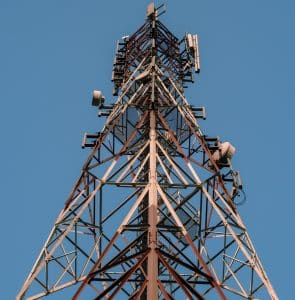
    Image of Cellular Tower X
    Modern cellular or PCS base station

    Drones Improve Cost Savings

    Using drones for cell tower inspections can also save money. Traditional inspections can be expensive, requiring specialized equipment and skilled technicians. Drone inspections are more cost-effective as they require fewer personnel and resources to complete the inspection process. Additionally, drone inspections can identify issues early, which can reduce the cost of repairs and maintenance in the long run.

    Ensure Worker Safety

    Finally, using drones for cell tower inspections can also improve human safety. Typical cellular towers (or PCS Base Stations) range from 50-200 feet.  Traditional inspections often require technicians to climb the tower, which can be a hazardous task. Drones can eliminate the need for technicians to climb the tower, reducing the risk of accidents and injuries. This is especially important in remote or hard-to-reach locations, where the risk of accidents can be even higher.

    In conclusion, cell tower inspections are critical for ensuring the safety and reliability of cellular networks. The use of drones for these inspections offers significant benefits, including time and cost savings, as well as improved human safety. Cellular technology managers are constantly exploring and adopting new technologies like drones to ensure that their networks remain safe, reliable, and cost-effective.

    From The Editor:

    Do you need to hire a professional drone service provider?  To speak to an aerial data specialist, fill out a form, email us or for even faster response times, give us a call at (833) FLY-4YOU or (833) 359-4968.  Check out our transparent pricing at Drone Photography Pricing and watch this space as we expand on the above topics and more over the coming weeks and months.  If you like this post, feel free to click the share button at the bottom of the page.  We appreciate you helping us by spreading the content we share on our blog.

  • What is an Orthomosaic?

    What is an Orthomosaic?

    Most people are well aware that drones have cameras and can take photos and videos while in flight.  But few outside the industry realize just how useful those pictures and videos can be for a variety of business, real estate, agriculture, construction, insurance and more.  

    Drones are capable of highly technical data collection using a variety of on-board technology, sophisticated cameras and 3rd party software.  From inspections and infrastructure management to surveying and mapping, we have only just begun to realize the full potential for drone technology to deliver value for industries of all types.

    If you’re new to the drone industry it can sometimes feel daunting to keep up with the technology and the myriad of commercial applications that drones can handle.  One of the more common uses of drones for industry involves the use of photogrammetry.  

    What is Photogrammetry?

    Photogrammetry involves taking multiple pictures of an object, for example aerial photographs of an empty parcel of land, and assembling them into complex 2D or 3D models. 

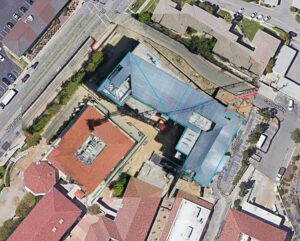
    Image of Glendale Adventist D Map X
    Glendale Adventist 3D Map

    These models can be used by industries ranging from construction, real estate, agriculture and more to understand and evaluate development requirements; oftentimes much faster and with less cost than conventional methods.

    Once assembled into the the final image, the individual images are stitched together to form a new, sharper image called an Orthomosaic.

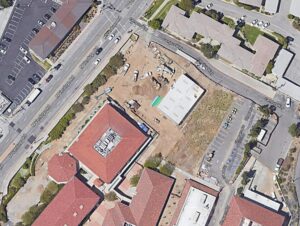
    Image of Glendale College Construction Google Earth X
    Google Maps Image

    Image of Glendale College Construction Orthorectified X
    Orthorectified Image

    What is an Orthomosaic?

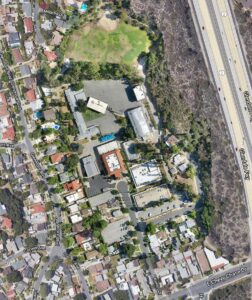
    Image of Glendale Adventist Orthorectified
    Orthorectified Image

    An orthomosaic is a large, map quality, image made by stitching together a significant number of smaller, individual images (called orthophotos) into one high resolution image.  

    Orthoimages are aerial photos that are corrected for:

    • Lens Distortion 
    • Camera Tilt
    • Perspective
    • Topographic Relief (adjusted for the curvature of the earth’s surface)

    These Orthoimages have no distortion and are uniformly scaled across the image.  The main difference between a typical aerial photo and an orthophoto is:

    The aerial photo shows the effects of the natural curvature of the earths surface (showing, for example, the sides of buildings from a top down perspective) while the orthophoto is geometrically corrected.  This orthorectified image presents a geometrically accurate top down view of objects on the ground. 

    How are Othomosaics Being Used?

    When integrated into sophisticated software (like Drone Deploy), Orthomosaics are used to get the most up to date aerial view of an object on the earth’s surface; for example, a parcel of land or new construction project.  Real estate professionals consider orthomosaics to be the best way to get an up to date and accurate aerial photo of a large parcel of land.  Construction firms look to this type of aerial image as a way to get accurate measurements of a project as well as regular updates on the progress of each construction site.  Agriculture can use orthorectified images to inspect crops and determine plant health.  Drones can also produce images that, when converted into orthomosaics, can be used to aid in inspecting rooftops, buildings, solar panels, bridges, pipelines and cell towers.

    And the list goes on. 

    Why Are Orthomosaics Important?

    In short, orthoimages can be used to help streamline processes, create massive efficiencies of scale and help industries save valuable time and money.  Whether you need aerial photography services for construction, real estate, land development or inspections, Aerial Decisions can handle all of your photogrammetry needs.

    From The Editor:

    Do you need to hire a professional drone service provider?  To speak to an aerial data specialist, fill out a form, email us or for even faster response times, give us a call at (833) FLY-4YOU or (833) 359-4968.  Check out our transparent pricing at Drone Photography Pricing and watch this space as we expand on the above topics and more over the coming weeks and months.  If you like this post, feel free to click the share button at the bottom of the page.  We appreciate you helping us by spreading the content we share on our blog.