Tag: Commercial Drone Service Provider

  • Soaring Through the Season: A Drone Enthusiast’s Holiday Tale

    Soaring Through the Season: A Drone Enthusiast’s Holiday Tale

    Tis the season to be droning so let’s toast to some Holiday Drone Humor. As we sip hot cocoa and deck the halls with boughs of holly, let’s take a moment to reflect on why this winter holiday season is extra special for us drone enthusiasts. Gather ’round the virtual fireplace, folks, because this is a tale of joy, gratitude, and a touch of high-flying hilarity!

    First off, can we talk about the gift that keeps on buzzing? Yes, you guessed it – drones! 

    This year has seen some mind-blowing advancements in the drone industry. It’s like our beloved flying robots have been hitting the gym, taking on a sleeker and smarter persona. It’s as if they’ve been sipping on a special drone elixir that’s turned them into the James Bond of the tech world.

    Remember those days when drones were all about capturing breathtaking landscapes? Well, now they’re making headlines for being our very own airborne couriers. Move over, Santa – the sky’s the new sleigh! Just imagine a drone whizzing through the air, delivering holiday cheer faster than you can say “jingle all the way.” If that’s not the true spirit of Christmas, I don’t know what is.

    And let’s not forget the drone enthusiasts’ equivalent of mistletoe – the much-anticipated Drone Under the Tree (DUTT) tradition! Rumor has it that 2023 has been a record-breaking year for DUTT surprises. Families are exchanging knowing glances, wondering if their loved ones have hidden a DJI under the tinsel or perhaps a Parrot in the stockings. It’s a season of suspense, surprise, and the sweet sound of rotors slicing through wrapping paper.

    But beyond the laughter and drone-filled dreams, this season has given us something even more precious – a sense of community. Drone enthusiasts across the globe have formed virtual clubs, sharing tips on how to fend off rogue snowflakes and swapping stories about the ultimate drone fails. It’s heartwarming to know that, in the vast winter wonderland of the internet, there’s a cozy corner for drone aficionados to share their tales of triumph and, let’s be honest, the occasional crash and burn.

    Christmas Carolers and Drones
    Christmas Carolers Serenade a Fleet of Drones. Image courtesy of MS AI Image Creator

    Now, let’s take a moment to express gratitude for the brilliant minds in the drone industry who’ve gifted us with innovations we didn’t know we needed. From obstacle-dodging algorithms to drones with built-in carol singers (okay, maybe not that last one, but we can dream, right?), these geniuses have transformed our hobby into a high-flying adventure.

    So, as we celebrate the season with joy in our hearts and a drone in hand, let’s raise a toast to the drone industry, where the skies are limitless, and the only limit is the charge in our batteries. May your holidays be filled with laughter, love, and the unmistakable hum of a drone overhead, reminding us that the season of joy is also the season of grateful buzzing. Cheers to droning into the new year with high hopes and even higher altitudes!

    From The Editor:

    Do you need to hire a professional drone service provider for your project?  To speak to an aerial data specialist, fill out a form, email us or for even faster response times, give us a call at (833) FLY-4YOU or (833) 359-4968.  Check out our transparent pricing at https://aerialdecisions.com/drone-photography-pricing/ and watch this space as we expand on the above topics and more over the coming weeks and months.  

    If you like this post, feel free to click the share button at the bottom of the page.  We appreciate you helping us by spreading the content we share on our blog.
  • The Future of Drone Surveying and Mapping for the Construction Industry

    The Future of Drone Surveying and Mapping for the Construction Industry

    Drones are becoming increasingly popular in the construction industry, and for good reason. Drones offer a number of advantages over traditional surveying and mapping methods, including:

    • Speed and efficiency: Drones can survey and map large areas quickly and easily, which can save time and money.
    • Accuracy: Drones can collect high-resolution data that is highly accurate, even in difficult-to-access areas.
    • Safety: Drones are used to survey and map dangerous or inaccessible areas without putting workers at risk.
    • Cost-effectiveness: Drones can be a cost-effective way to survey and map construction sites, especially for large or complex projects.

    What is Drone Surveying and Mapping?

    Drone surveying and mapping is the process of using drones to collect data about a physical object or area. This data is then used to create maps, models, and other visualizations.

    Drone surveying and mapping is used for a variety of purposes in the construction industry, including:

    • Site planning and design
    • Progress monitoring
    • Quantity takeoff
    • As-built documentation
    • Safety inspections
    • Damage assessment
    • Environmental monitoring
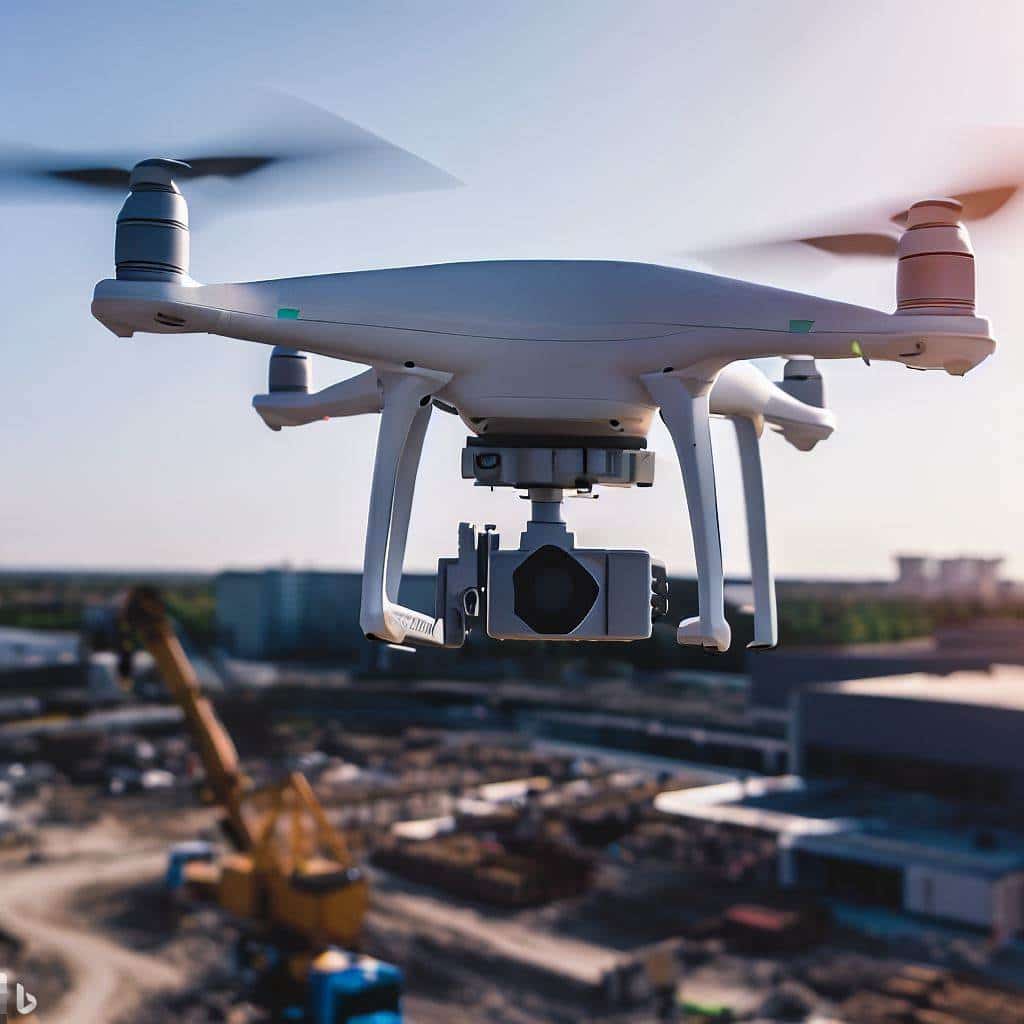
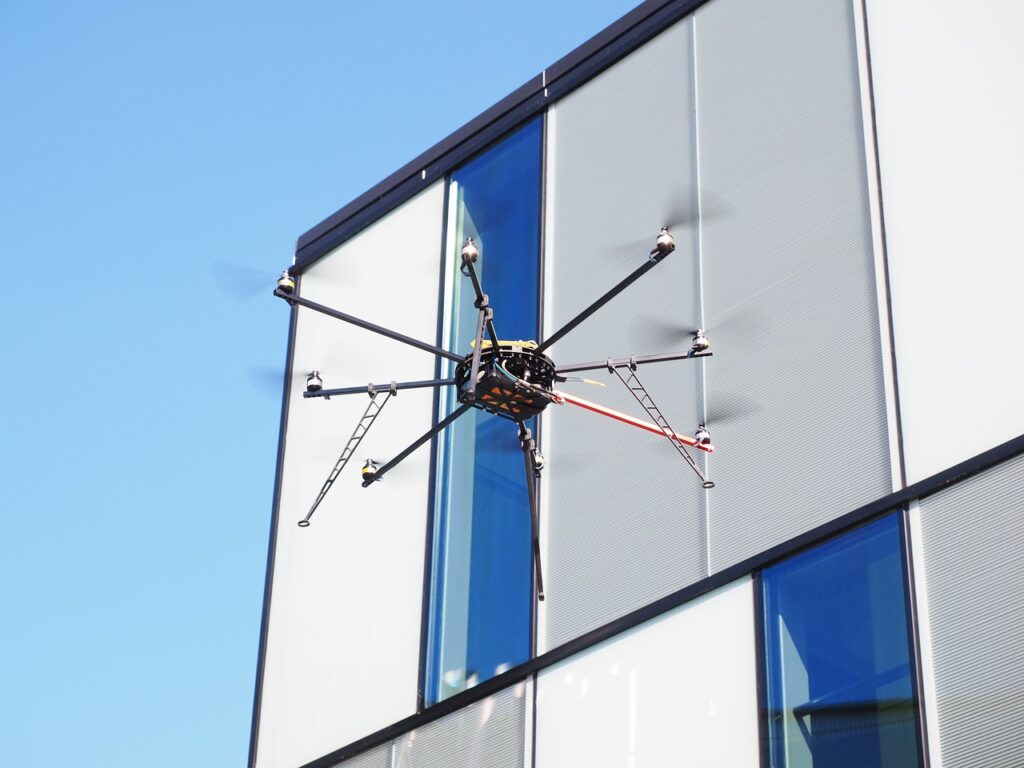
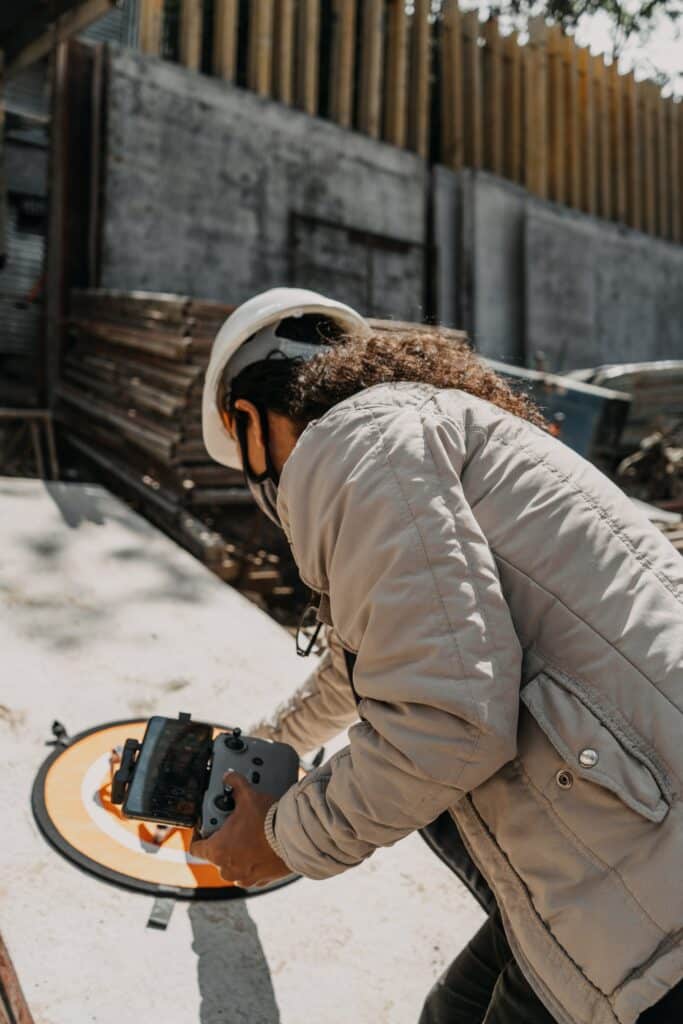
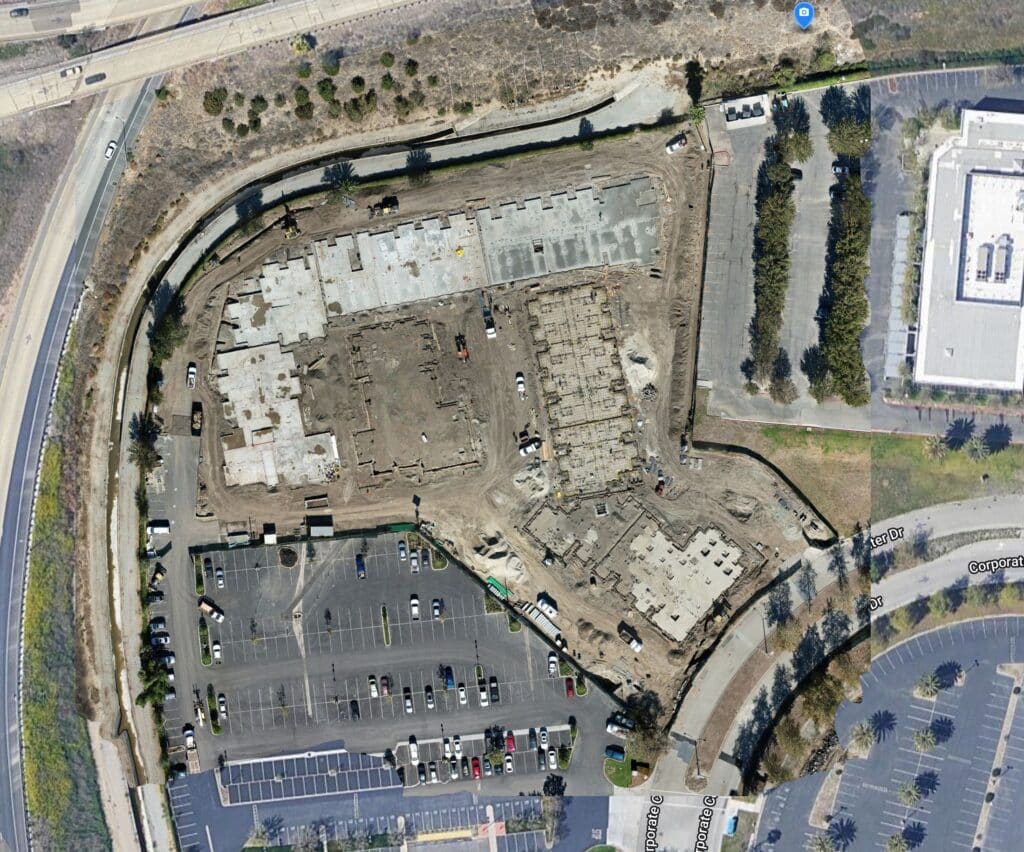
    Drone hovering over an active construction site
    Drones provide a variety of cost saving benefits to the construction industry

    How Construction Companies use Drones for Surveying and Mapping

    Here are a few examples of how today’s commercial construction companies are using drones for surveying and mapping missions:

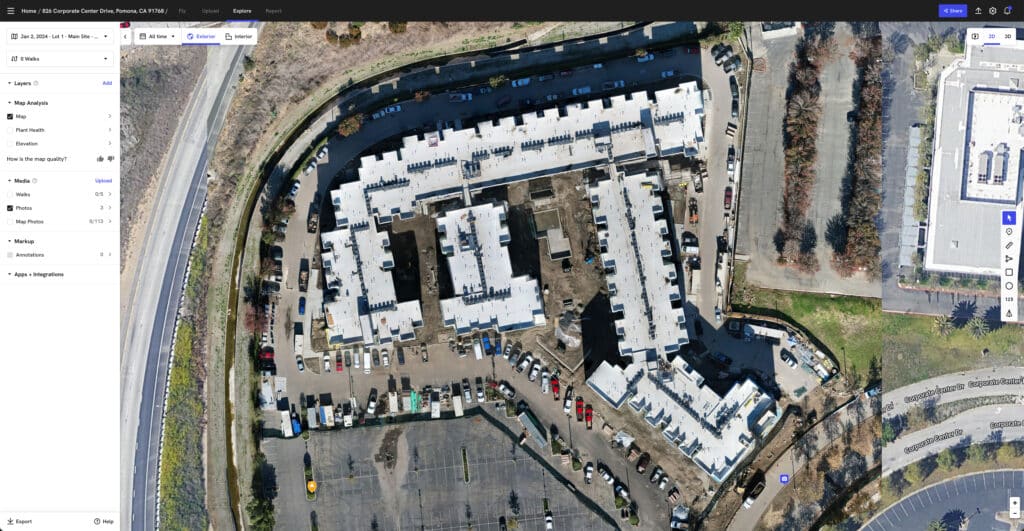
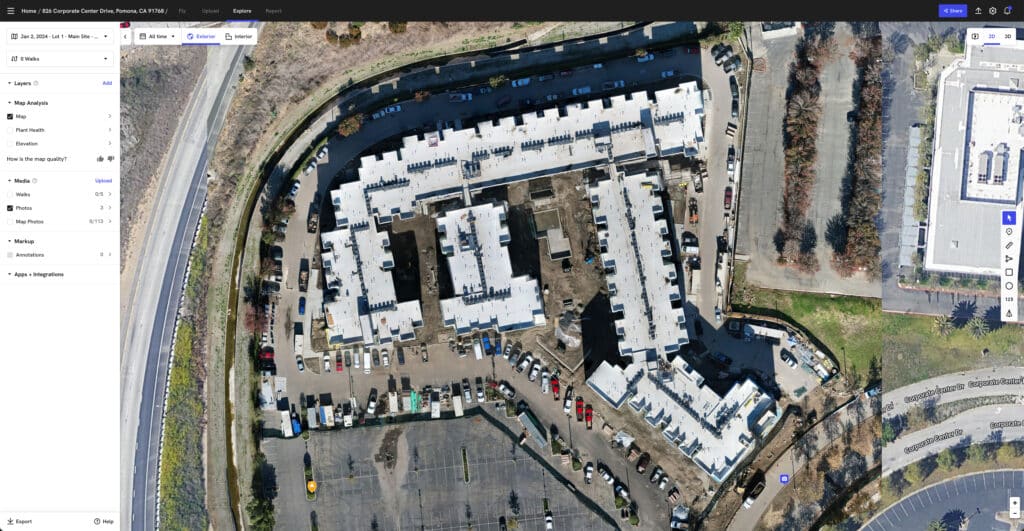
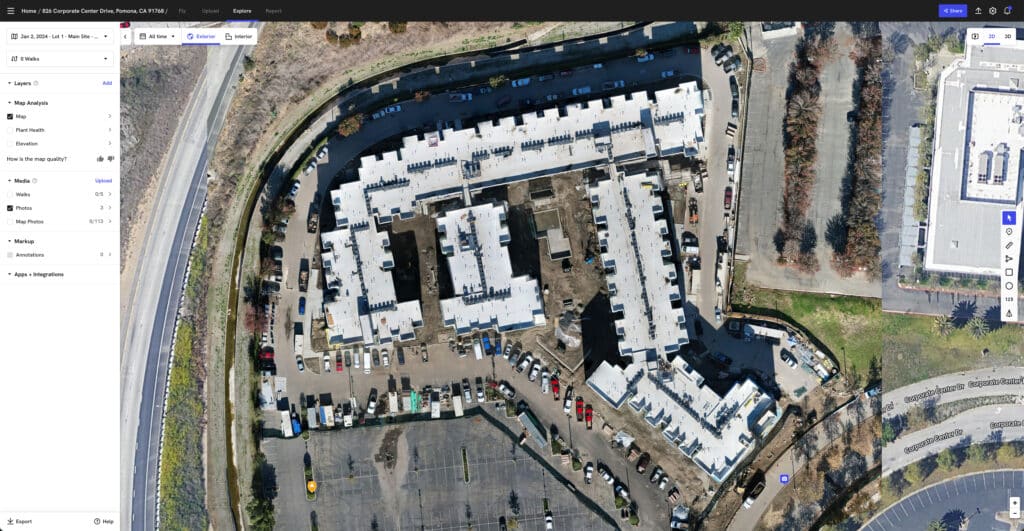
    • Site planning and design: Drones are used to survey a construction site and create a 3D model of the area. These models used to plan the layout of the site, design the building, and estimate the cost of the project.  
    • Progress monitoring: Drones are used to track the progress of a construction project over time. This helps to ensure that the project is on schedule and within budget.  
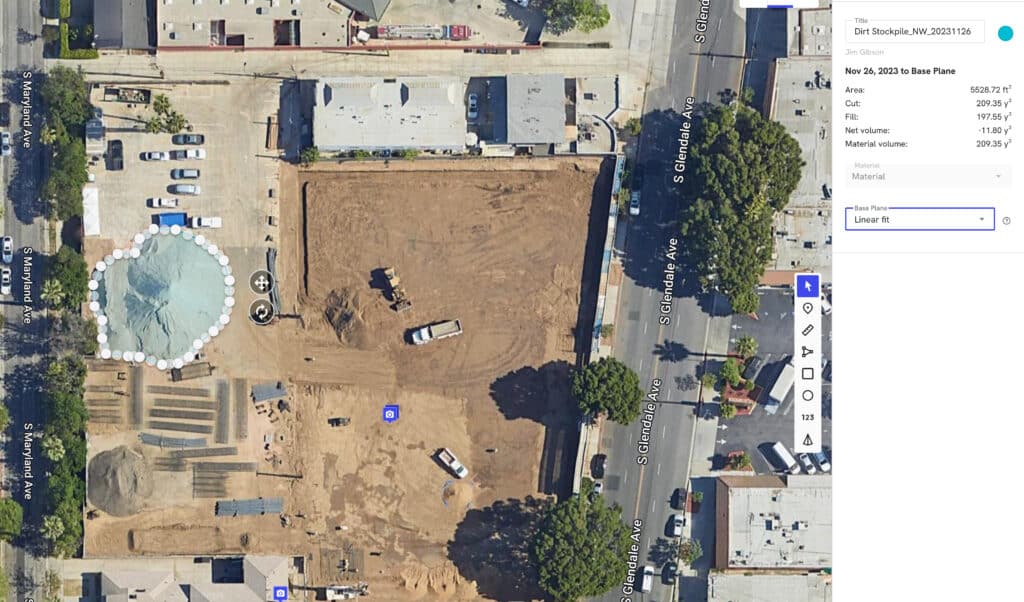
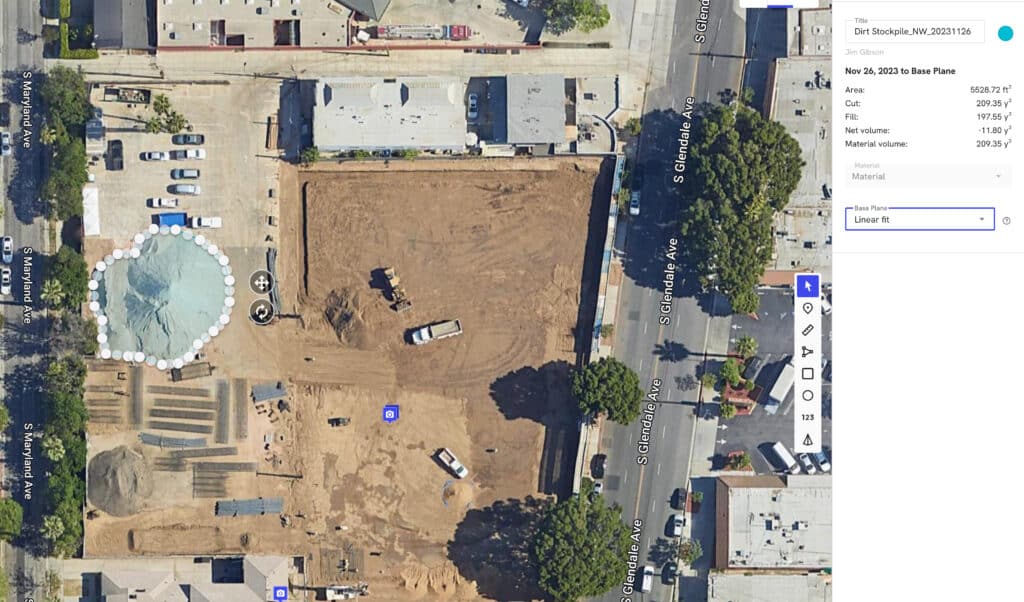
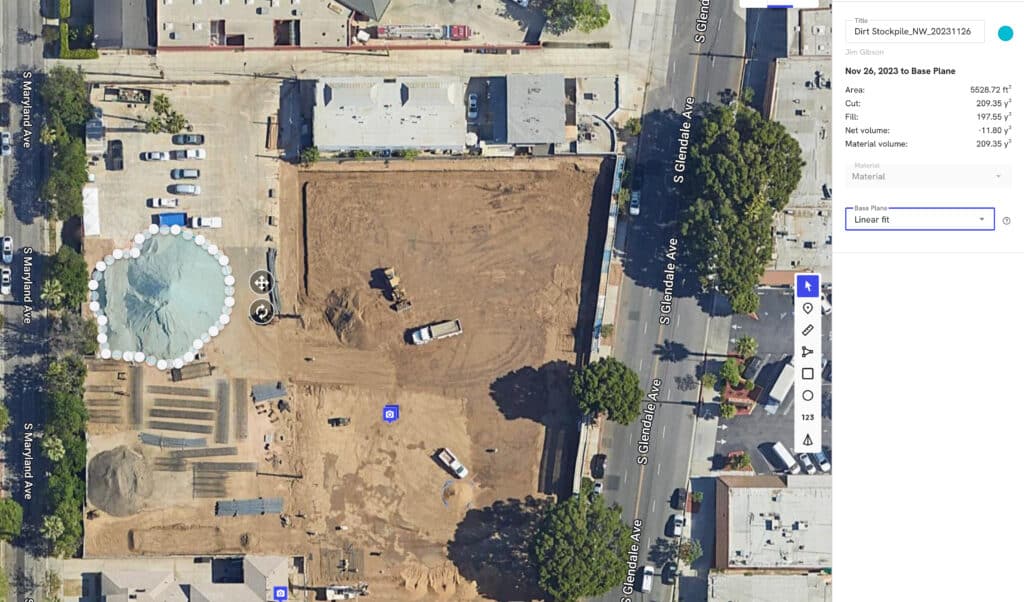
    • Quantity takeoff: Drones are used to measure the volume of materials on a construction site. This information is used to create accurate estimates and ensure that the project is completed on time and within budget. 
    • As-built documentation: Drones are used to create a detailed record of a construction project as it is built. This documentation is used for future reference or to make changes to the project. 
    • Safety inspections: Drones are used to inspect construction sites for safety hazards. This helps to prevent accidents and injuries. 
    • Damage assessment: Drones are used to assess the damage to a construction site after an accident or natural disaster. This information is often used to make repairs and prevent further damage. 
    • Environmental monitoring: Drones are used to monitor the environmental impact of a construction project. This helps to ensure that the project is being conducted in an environmentally responsible manner. 
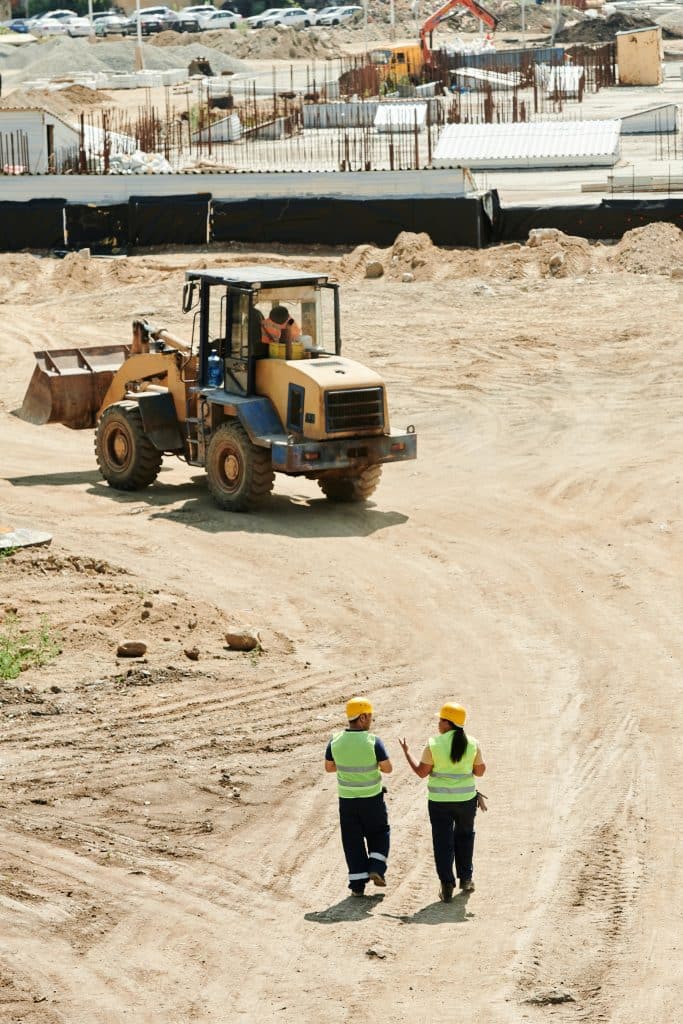
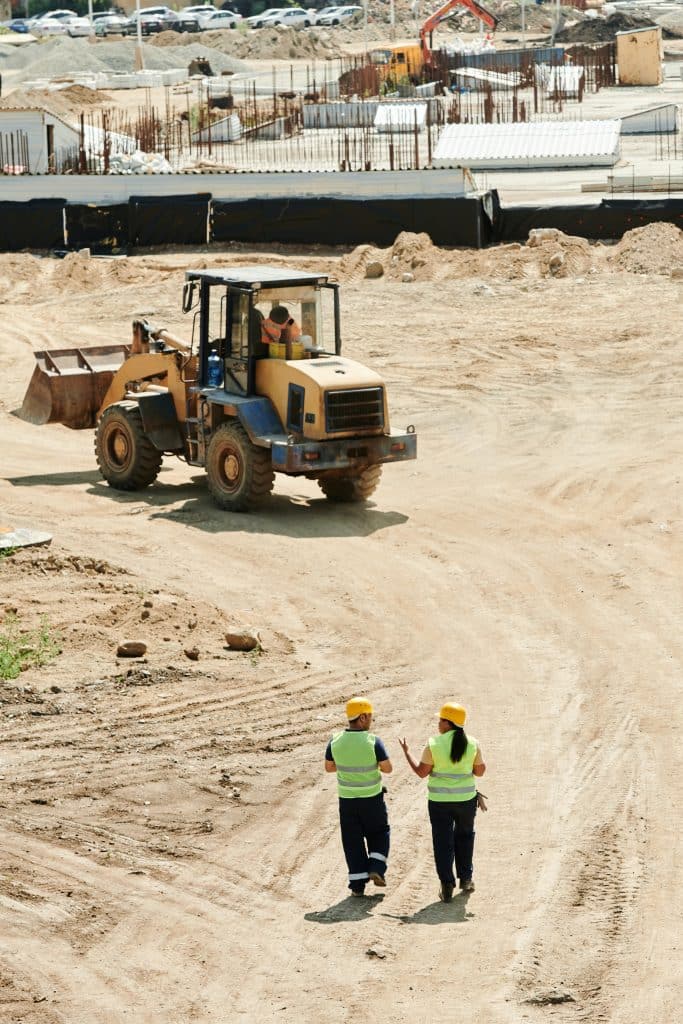
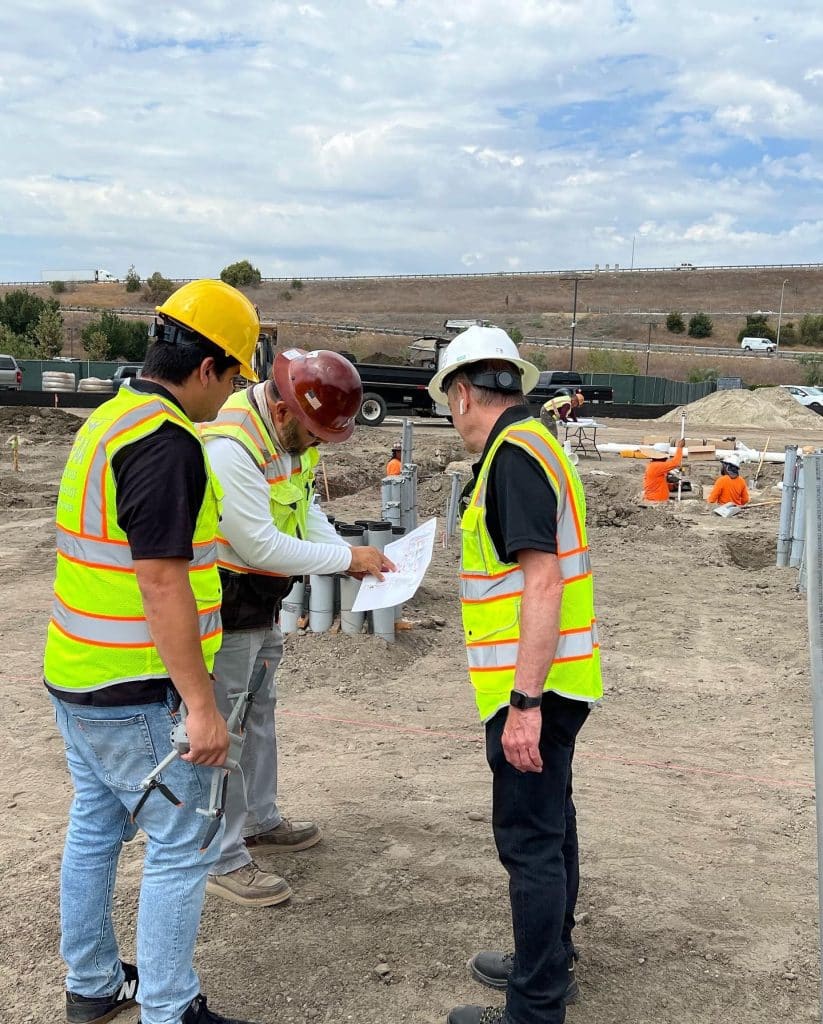
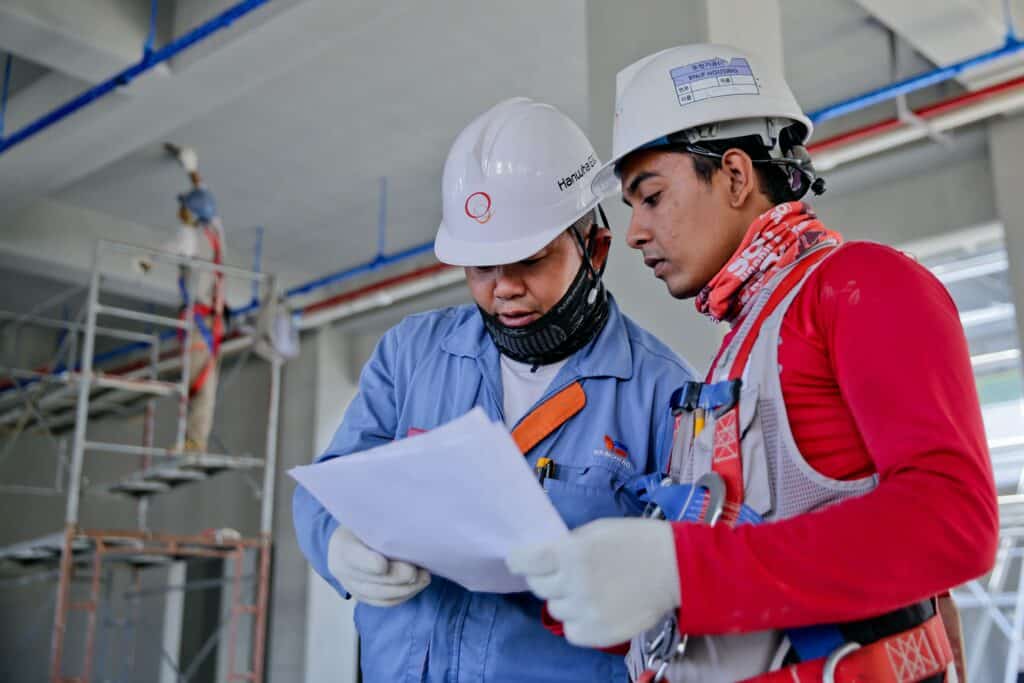
    Construction Site Walk-Through
    Construction Workers Walking a Job Site

    The Future of Drones for Surveying and Mapping for the Commercial Construction Industry

    The use of drones in surveying and mapping is rapidly expanding in the construction industry. As drone technology continues to develop, we can expect to see even more innovative and groundbreaking applications for drones in the years to come.

    Some of the potential future applications of drones in surveying and mapping for commercial construction include:

    • Real-time monitoring: Drones are used to monitor construction sites in real time, which helps to identify and address problems early on.
    • Automated data collection: Drones can be programmed to collect data automatically, which can free up workers to focus on other tasks.
    • 3D printing: Drones are often used to create 3D models of construction sites, which can then be used for 3D printing.

    In conclusion, the integration of drones into surveying and mapping processes has ushered in a new era for commercial construction. Companies like Skanska, Wingtra, and Environmental Works have demonstrated the immense potential of drones in improving efficiency, accuracy, and safety across construction projects. As a drone service provider, I am excited about the limitless possibilities and advancements that lie ahead in this rapidly evolving field. The future of drones in surveying and mapping for commercial construction is bound to be even more remarkable, and Aerial Decisions is excited to continue delivering surveying and mapping services to the industry.

    From The Editor

    Do you need to hire a professional drone service provider for your project?  To speak to an aerial data specialist, fill out a form, email us or for even faster response times, give us a call at (833) FLY-4YOU or (833) 359-4968.  Check out our transparent pricing at https://aerialdecisions.com/drone-photography-pricing/ and watch this space as we expand on the above topics and more over the coming weeks and months.  

    If you like this post, feel free to click the share button at the bottom of the page.  We appreciate you helping us by spreading the content we share on our blog.
  • The Ultimate Guide to Building Internal Construction Drone Teams

    The Ultimate Guide to Building Internal Construction Drone Teams

    As a seasoned professional in the drone services industry, I understand the critical role that enterprise drones play in revolutionizing the commercial construction sector. The ability to gather real-time data, monitor progress, and enhance safety measures has made drones an indispensable tool for construction project managers. If you’re considering building an internal construction drone crew, here are a few key considerations. I have also included a list of the top 10 drones for the construction industry. While this list is by no means comprehensive, this list of drones built for the construction industry is a great place to start.

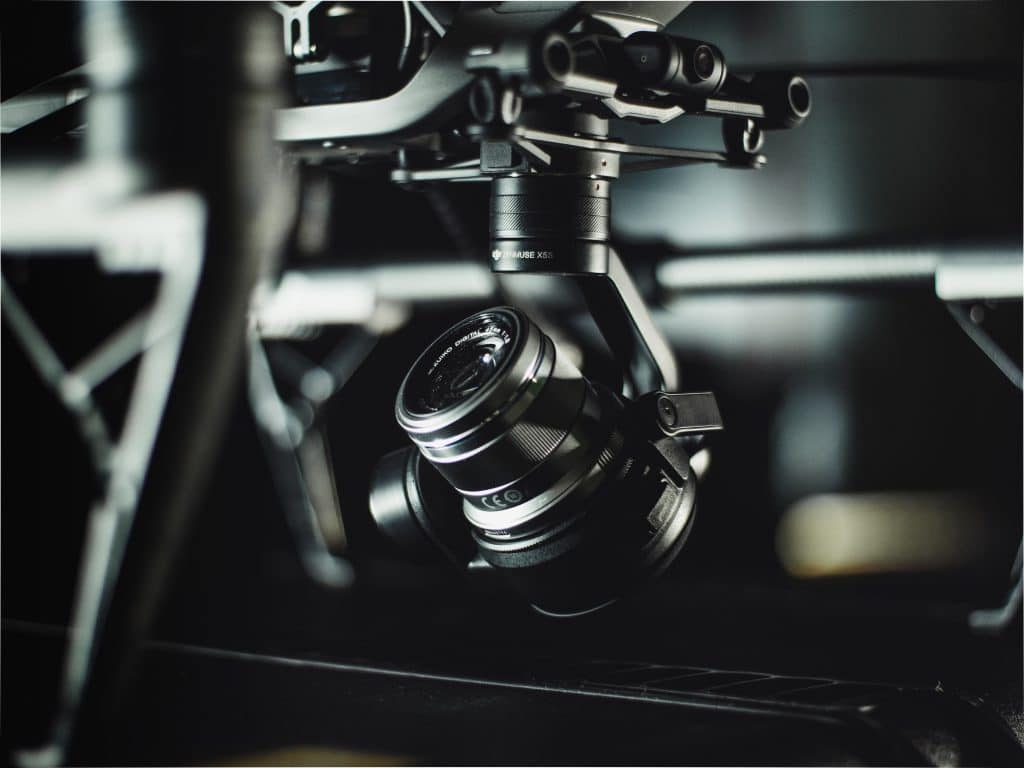
    Enterprise Drone Payload
    Enterprise Drone Payloads Can Vary Depending on the Mission Requirements

    Factors to Consider When Building an Internal Construction Drone Crew

    1. Purpose and Goals: Define the specific tasks you intend to accomplish with your drone fleet. Whether it’s site surveys, progress tracking, safety inspections, or data collection, having a clear purpose will guide your drone selection.
    2. Flight Time and Range: Opt for drones with longer flight times and extended operational ranges. This ensures wider coverage and minimizes downtime for recharging.
    3. Payload Capacity: Consider the weight of the equipment your drones need to carry, such as high-resolution cameras, LiDAR sensors, or thermal imaging cameras.
    4. Durability: Construction sites can be challenging environments. Choose drones that are rugged and designed to withstand harsh conditions.
    5. Ease of Use: A user-friendly interface and intuitive controls are essential, especially if your team is new to drone technology.
    6. Data Management: Look for drones that offer seamless data transfer and compatibility with construction software for efficient data analysis.
    7. Regulations and Compliance: Stay updated with local aviation regulations and ensure that the drones you choose comply with the necessary requirements.
    8. Training and Support: Proper training and ongoing technical support are crucial for the successful integration of drones into your construction projects.
    9. Budget: Balance your budget with the features and capabilities you require. Investing in quality drones upfront can lead to long-term cost savings.
    10. Scalability: As your projects grow, your drone fleet should be easily expandable to meet the demands of larger construction sites.

    Key Considerations When Selecting a Drone for Construction

    When selecting the ideal enterprise drone for your internal construction team, several critical factors deserve careful consideration. First and foremost, defining the precise goals you intend to achieve with the drone is essential – whether it’s site mapping, progress monitoring, or safety inspections. Flight time and operational range are crucial, ensuring extended coverage and minimized downtime.

    The drone’s payload capacity should align with the equipment it needs to carry, such as high-resolution cameras or LiDAR sensors. Durability matters, especially for the demanding construction site environment, and user-friendliness is key to ensuring seamless integration into your team’s operations. In addition, compatibility with construction software, adherence to aviation regulations, proper training, and ongoing technical support are all pivotal elements in making a well-informed choice.

    Finally, striking the right balance between your budget and the drone’s capabilities will ultimately lead to a successful addition to your construction project toolkit.

    Top 10 Drones for the Construction Industry

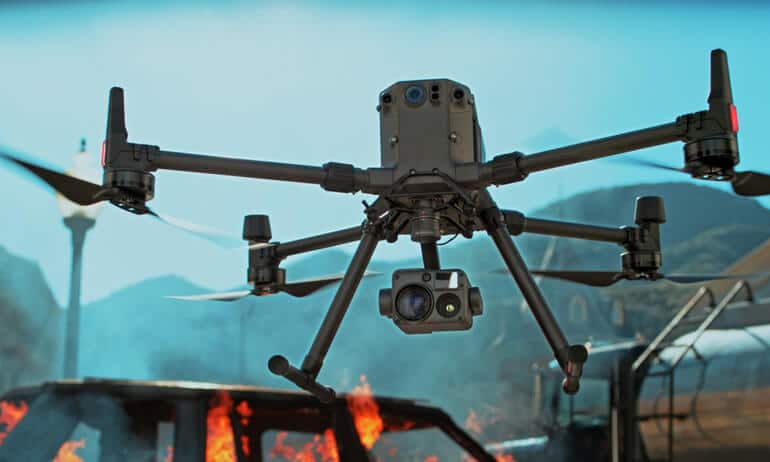
    1. DJI Matrice 300 RTK: Known for its robust design, long flight time, advanced RTK capabilities, and support for multiple payloads, this drone is a workhorse for large-scale construction projects.
    2. Skydio 2: With impressive obstacle avoidance and AI-powered navigation, the Skydio 2 excels at complex site inspections and close-quarters operations.
    3. SenseFly eBee X: This fixed-wing drone covers vast areas efficiently, making it perfect for aerial mapping and topographical surveys.
    4. Autel Robotics EVO II : Offering a variety of camera options including a high-resolution 8K variant, the EVO 2 is versatile for mapping, inspection, and monitoring tasks.
    5. Parrot Anafi USA: Built to meet the stringent needs of the U.S. military, this drone’s compact design, thermal imaging, and secure data transmission make it ideal for construction site security.
    6. Freefly Alta X: With heavy-lift capabilities, the Alta X is perfect for carrying substantial payloads like LiDAR sensors for detailed site scans.
    7. Yuneec H520: This reliable hexacopter features hot-swappable payloads, including high-resolution cameras and thermal imaging options.
    8. Autel Robotics Dragonfish VTOL: Vertical take-off and landing (VTOL) capability combined with long endurance make this drone suitable for large area mapping.
    9. Quantix Mapper: Designed for automated mapping, the Quantix Mapper provides high-resolution imagery and actionable data for construction planning.
    10. Intel Falcon 8+: Known for its stability in challenging conditions, the Falcon 8+ is suitable for precision measurements and inspections.
    DJI Matrice 300 RTK Drone
    DJI Matrice 300 RTK Drone

    My Top 5 Drones for Commercial Construction Demands

    1. DJI Matrice 300 RTK: The ultimate workhorse with advanced features and payload flexibility.
    2. Skydio 2: Perfect for navigating complex environments and conducting detailed inspections.
    3. SenseFly eBee X: Ideal for large-scale site mapping and topographical surveys.
    4. Autel Robotics EVO II: Versatile choice with high-resolution imaging for various construction tasks.
    5. Parrot Anafi USA: Offers secure data transmission and thermal imaging for enhanced security measures.

    Summary

    Building an internal construction drone crew requires careful consideration of various factors to ensure they align with your project needs and goals. The top 10 drones mentioned here provide an excellent starting point, with the top 5 drones catering specifically to the demands of commercial construction. By selecting the right drones, you can enhance efficiency, safety, and data-driven decision-making in your construction monitoring needs, ultimately leading to successful outcomes.

    From The Editor:

    Do you need to hire a professional drone service provider or 360 virtual walking tour for your project?  To speak to an aerial data specialist, fill out a form, email us or for even faster response times, give us a call at (833) FLY-4YOU or (833) 359-4968.  Check out our transparent pricing at https://aerialdecisions.com/drone-photography-pricing/ and watch this space as we expand on the above topics and more over the coming weeks and months.  If you like this post, feel free to click the share button at the bottom of the page.  We appreciate you helping us by spreading the content we share on our blog.
  • Drones’ Role in Mitigating Construction Job Site Materials Theft

    Drones’ Role in Mitigating Construction Job Site Materials Theft

    Construction site theft is a glaring problem that impacts projects in two significant ways: time and budget. The theft of vital materials, whether it’s copper wiring, heavy machinery, or tools, can significantly delay project timelines. Replacing stolen items takes time – time that could have been used to make substantial progress. Moreover, the financial blow resulting from the replacement of stolen materials can blow budgets out of proportion. Staying on schedule and within budget is crucial for the success of any construction endeavor.

    Enter drones – a high-tech tool that is transforming the way we assist general contractors tackle construction site security challenges. As a drone service provider focused on the construction industry, I’ve seen firsthand how materials theft can throw a wrench into even the most meticulously planned projects.

    Construction Site Walk-Through
    Construction Workers Walking a Job Site

    Today, I want to shed light on how this rampant issue impacts the commercial construction industry, and more importantly, how drones are emerging as a game-changing solution to mitigate materials theft.

    Real World Use Cases

    Drones have proven to be an invaluable asset in preventing construction site theft and safeguarding job sites. Let’s delve into a couple of real-world examples that showcase the power of drones in action:

    Gilbane Building Company: In a large-scale project in Rhode Island, Gilbane Building Company implemented daily drone construction monitoring to measure existing stockpiles on the job site. This proactive approach led to the swift apprehension of a thief attempting to make off with high-value materials. The timely intervention not only prevented theft but also sent a strong message to potential wrongdoers.

    Skanska USA: Skanska turned to drones to protect a high-rise project in Seattle. The drones’ aerial monitoring capabilities provided real-time visuals of the site, allowing security personnel to detect and thwart unauthorized access. This level of aerial surveillance acted as a potent deterrent against construction site theft and vandalism.

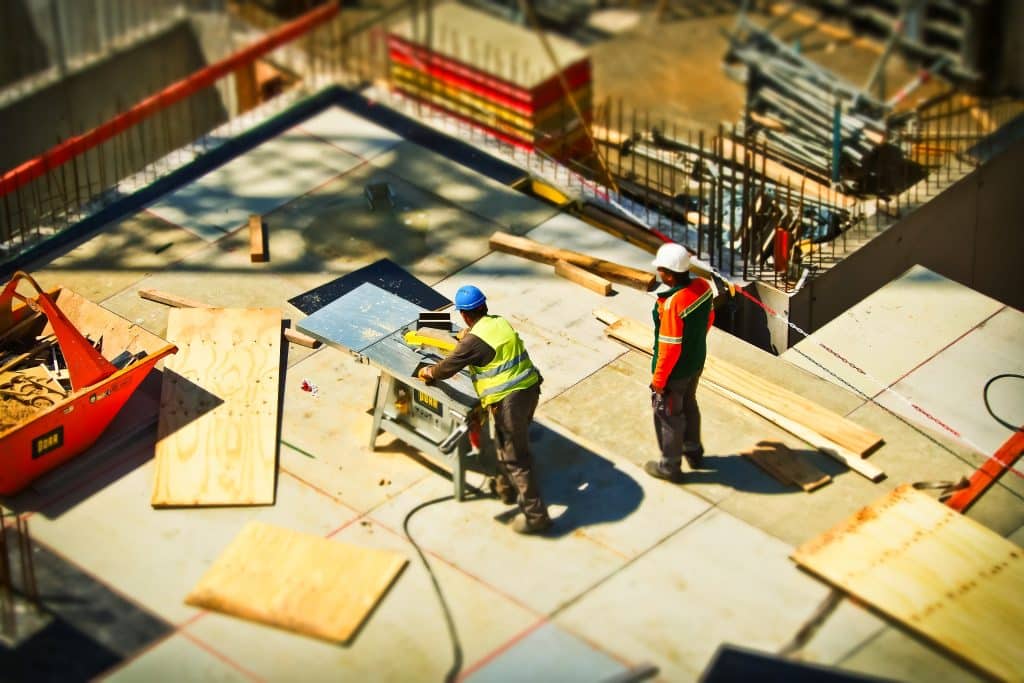
    Construction Job Site
    Craftsmen working with materials on a construction job site

    By integrating drones into an active construction project’s security measures, you as a project manager, are taking proactive steps to combat materials theft. Drones provide a bird’s-eye view of the entire site, making it easier to detect any unusual activity and respond promptly.  While not always real-time, regular drone monitoring missions, deployed at frequent intervals (I.e., weekly) enables your team to maintain a vigilant eye on construction zones, minimizing the window of opportunity for potential thieves.

    Summary

    Materials theft is an undeniable hurdle that can cripple construction projects in terms of time and budget. The solution lies in harnessing the power of drones to protect your sites, prevent theft, and ensure your projects are completed within their designated timelines and budgets. With success stories like Gilbane Building Company and Skanska USA, it’s evident that drones are emerging as a powerful tool in your battle against theft.

    By integrating drones into your construction site security strategies, you’re not only taking proactive measures to prevent theft but also sending a clear message that your construction sites are fortified, well-protected, and ready to withstand any challenges that come your way. Here’s to a more secure and successful future for the construction industry!

    From The Editor:

    Do you need to hire a professional drone service provider for your project?  To speak to an aerial data specialist, fill out a form, email us or for even faster response times, give us a call at (833) FLY-4YOU or (833) 359-4968.  Check out our transparent pricing at https://aerialdecisions.com/drone-photography-pricing/ and watch this space as we expand on the above topics and more over the coming weeks and months.  

    If you like this post, feel free to click the share button at the bottom of the page.  We appreciate you helping us by spreading the content we share on our blog.
  • Drones Impact on the Construction Industry’s Top Challenges

    Drones Impact on the Construction Industry’s Top Challenges

    We are witnessing firsthand the transformative power of drone technology in revolutionizing some of the biggest challenges in today’s construction industry.  In this blog post, I’ll delve into the five most significant challenges that construction companies face in 2023 and beyond and demonstrate how drones can be the ultimate cost effective solution to overcome these hurdles and pave the way for a more profitable future.

    Drone Flying Over Construction Site
    Drones can easily access hard to reach places helping construction managers quickly deliver critical data to key stakeholders

    Safety and Risk Management

    Ensuring safety on construction sites is a top priority, yet it remains an ongoing challenge. Drones equipped with advanced cameras and sensors can be our most valuable tool in conducting aerial inspections. By collecting real-time data, we enable construction teams to identify potential hazards and adhere to safety protocols diligently. For example, a construction company in Canada used drones to assess a high-rise building’s exterior for signs of wear and tear, facilitating timely maintenance and minimizing safety risks.

    View of Construction Site From Above
    Drones are capable of capturing data that helps project managers scale efficiencies, improve worker safety and reduce costs

    Project Monitoring and Progress Tracking

    Managing large-scale construction projects demands meticulous progress tracking. Drones excel at capturing high-resolution images and generating 3D models, allowing project managers to monitor developments and detect discrepancies promptly. A real-world instance involves a construction project in the UK, where drones were employed to track the construction of a highway expansion, streamlining communication among stakeholders and ensuring on-time completion.

    Drone Service Providers (DSP’s) like Aerial Decisions help reduce costs, boost efficiency, improve worker safety while keeping key stakeholders informed.  Drone progress monitoring adds perspective and production value to any commercial construction project.

    Environmental Sustainability

    The construction industry faces increasing pressure to embrace sustainable practices. Drones play a pivotal role in promoting environmental consciousness by conducting aerial surveys and monitoring ecological impact. With the data collected, construction companies can implement eco-friendly measures and optimize resource utilization. A construction firm in Germany utilized drones to assess the environmental impact of a wind farm project, enabling them to make informed decisions that aligned with green initiatives.

    Cost Overruns and Rising Material Costs

    Construction projects often encounter cost overruns, impacting profitability.  Drones can effectively address these challenges by providing accurate measurements and surveys. This leads to precise budget planning and minimizes unexpected expenses. A construction company in Australia harnessed drone technology to conduct volumetric surveys on a mining site, avoiding cost overruns by precisely estimating the required resources and mitigating project risks.  

    The cost of construction materials has been rising steadily in recent years, and this trend is expected to continue in 2023. This is due to a number of factors, including the increase in demand for materials, the shortage of raw materials, and the rising cost of energy.  Drones are used to collect data on the use of materials and equipment and can even deliver supplies to remote construction sites.

    Image of Construction Management Crew Scaled
    Construction Crew Walk-Through and Safety Check

    Labor Shortages and Productivity

    Labor shortages you ask?  How can drones possibly tackle the demand for human capital?  The construction industry undoubtedly faces a labor shortage, affecting productivity and project timelines.  This is due to a number of factors, including the aging workforce, the lack of interest in construction careers among young people, and the increasing complexity of construction projects. Drones can fill this gap by performing tasks that would otherwise require substantial human effort, thus boosting overall efficiency.

    Drones Even Transport Construction Materials

    An example is a construction company in Japan that utilized drones for material transportation on challenging terrains, enhancing productivity and optimizing labor resources.  Another, more common example, is the use of drones to capture images and video of hard to reach and often unsafe areas of an active construction site that would otherwise require a human to manually observe and record.  This example of drone construction progress monitoring increases both productivity and the safety of the project

    Summary

    Drones are the driving force behind tackling the most pressing challenges in the construction industry in 2023 and beyond. By harnessing drone-captured aerial data, we empower construction companies to streamline operations, enhance safety protocols, and promote environmental sustainability.  Embracing drone technology positions construction businesses for success, leading to improved profitability. From reducing costly errors and ensuring safety compliance to optimizing resource utilization and increasing overall productivity, drones unlock a world of opportunities for the commercial construction industry.

    As a professional Drone Service Provider (DSP), Aerial Decisions is committed to partnering with construction companies to leverage these transformative technologies. Together, we can soar to new heights of efficiency, sustainability, and profitability, shaping a future where innovation and construction excellence go hand in hand.

    Let’s embrace the skies and embark on this thrilling journey toward a more prosperous and sustainable construction industry, powered by the limitless potential of drone technology. The future is now, and it’s time to take flight!

    From The Editor

    Do you need to hire a professional drone service provider for your project?  To speak to an aerial data specialist, fill out a form, email us or for even faster response times, give us a call at (833) FLY-4YOU or (833) 359-4968.  Check out our transparent pricing at https://aerialdecisions.com/drone-photography-pricing/ and watch this space as we expand on the above topics and more over the coming weeks and months.  

    If you like this post, feel free to click the share button at the bottom of the page.  We appreciate you helping us by spreading the content we share on our blog.
  • A Perfect Match: Drone Technology and Construction Software

    A Perfect Match: Drone Technology and Construction Software

    As a Drone Service Provider (DSP) that specializes in data collection services for the construction industry, I am constantly intrigued by the innovative software technologies that continue to transform traditional construction processes.  I am further excited about how drone data is becoming more intertwined with each technological advancement in construction project management software. In recent years, software has become an indispensable tool for construction companies involved in commercial building projects. This blog post explores the types of software construction companies use for various phases of construction and, more importantly, how drone technology has emerged as a game-changer by providing critical data that seamlessly overlays into existing software.

    Engineer Working on Construction Plans on Computer
    Architects and Engineers Use a Variety of Software Applications to Manage Commercial Construction Projects

    Types of Software for Commercial Building Projects

    Construction companies have embraced software solutions to enhance efficiency, reduce costs, and ensure smooth project management. Here are some of the crucial software types utilized in different phases of commercial building projects:

    Building Information Modeling (BIM): BIM software facilitates the creation of detailed 3D models of the building, enabling collaboration among architects, engineers, and contractors. It streamlines design coordination, identifies clashes, and optimizes construction sequences, all while fostering better communication.

    What is BIM Software?

    BIM (Building Information Modeling) software is like a super-smart digital blueprint for commercial construction projects. It allows architects, engineers, and builders to create detailed 3D models of the building before it’s even constructed. This software helps everyone involved in the project collaborate better, identify potential problems early on, and plan everything more efficiently, resulting in smoother construction and a better end result.

    Construction Planning Software
    Today, Architects and Engineers Rely on Digital Software Tools to Manage Commercial Construction Projects

    Project Management Software: These platforms aid in planning, scheduling, and resource allocation. They offer real-time progress tracking, cost management, and document control, fostering transparency and accountability among project stakeholders.

    Virtual and Augmented Reality (VR/AR): VR/AR technologies are gaining traction in the construction industry, allowing stakeholders to experience immersive virtual walkthroughs of buildings before construction begins. These simulations aid in identifying potential design flaws and improving client engagement.

    Estimating and Takeoff Software: Accurate cost estimation is vital in construction projects. Estimating software helps construction companies determine the quantity of materials required and provides real-time pricing data to develop precise project budgets.

    Construction Drone Monitoring
    Project Managers Have Increasingly Adopted Drones for Construction Progress Monitoring

    The Role of Drones in Commercial Construction

    Drone technology has significantly impacted the construction industry, and its integration with existing software has revolutionized the way companies approach building projects. Here’s how drones contribute throughout various construction phases:

    Pre-construction Phase: Drones equipped with high-resolution cameras conduct aerial surveys and site inspections. This data is then fed into BIM software, aiding architects and engineers in creating accurate 3D models and improving initial designs.

    Active Construction Phase: Drones provide real-time monitoring of construction progress, enabling project managers to identify potential delays and streamline workflows. They also enhance job site safety by inspecting hard-to-reach areas without risking human lives.

    Post Construction Phase: Drones facilitate post-construction inspections, ensuring that the built structure aligns with the original design. Their ability to capture detailed imagery assists in creating as-built models for facility management and maintenance.

    Seamless Integration with Existing Software

    The true power of drones lies in their ability to seamlessly integrate with the software construction companies already use. Drone-captured data is effortlessly imported into BIM, project management, and estimating software, providing real-time updates and accurate information at every stage of the project. This integration ensures that construction teams work with the most current data, fostering collaboration and informed decision-making.

    In conclusion, the construction industry is embracing technology like never before. Software solutions have become a cornerstone of commercial building projects, streamlining operations, and promoting effective collaboration. However, the real game-changer has been the synergy between drones and construction software and integrating drone data with construction software is now a perfect match. The critical data captured by drones has breathed new life into pre-construction, active construction, and post-construction phases, propelling the industry into a new era of efficiency, safety, and excellence.

    From The Editor:

    Do you need to hire a professional drone service provider for your project?  To speak to an aerial data specialist, fill out a form, email us or for even faster response times, give us a call at (833) FLY-4YOU or (833) 359-4968.  Check out our transparent pricing at https://aerialdecisions.com/drone-photography-pricing/ and watch this space as we expand on the above topics and more over the coming weeks and months.  

    If you like this post, feel free to click the share button at the bottom of the page.  We appreciate you helping us by spreading the content we share on our blog.

  • Vertical Perspectives: Drones in High-Rise Construction

    Vertical Perspectives: Drones in High-Rise Construction

    Drones are popular in the construction industry, and for good reason. They are used for a variety of tasks, including façade inspections, concrete pour monitoring, and structural monitoring at height. This is especially valuable in urban high-rise building construction projects, where traditional methods of building inspection can be dangerous and time-consuming.  

    Commercial Building Construction Roof Crane
    Rooftop cranes perform a variety of functions during commercial high rise construction

    Common Types of Traditional High Rise Inspections

    Visual inspections, where inspectors climb the building or use scaffolding to get a close-up look at the façade, roof, and other exterior surfaces are the most basic and most dangerous.  Magnified inspections use magnification such as binoculars to get a closer look at small details in hard to reach places.  While not necessarily dangerous, finer surface cracks and other facade imperfections are easily missed.  Non-destructive testing (NDT) uses a variety of techniques to inspect the building including ultrasonic testing, which uses sound waves to detect cracks and other defects, and infrared thermography, which uses heat imaging to detect areas of heat loss or gain. Remote visual inspection (RVI) uses cameras and other sensors to inspect the building from a distance. RVI is used to inspect areas that are difficult or dangerous to reach, such as the roof or the exterior walls.

    Unique Challenges of Urban High-Rise Construction

    Urban high-rise building construction projects present a number of unique challenges, including:

    Building Height: High-rise buildings can be hundreds of feet tall, making it difficult and dangerous to inspect them manually.

    Building Access: Access to high-rise buildings is generally restricted, making it difficult to get inspectors to the areas that need to be inspected.

    Weather Conditions: Urban areas can experience extreme weather conditions, such as high winds and rain, which can make manual inspections difficult and dangerous. Professional drone pilots are skilled at navigating complex weather situations. More importantly, FAA certified drone pilots know when bad weather precipitates postponing or abandoning a mission altogether.

    Skyscraper Construction Project
    Commercial buildings employ a variety of equipment to facilitate all phases of a construction project

    How Drones Can Help

    Drones can overcome these challenges and provide a number of benefits for urban high-rise construction projects, including:

    Drone Safety: Drones inspect high-rise buildings without putting inspectors at risk.

    Data Collection Efficiency: Drones inspect high-rise buildings quickly and easily, saving time and money.

    Data Accuracy: Drones provide high-resolution images and videos of high-rise buildings used to identify potential problems.

    Project Documentation: Drones are used to create 3D models of high-rise buildings, which are used for planning and documentation purposes. The data is also used to keep key stakeholders engaged and involved in construction progress.

    Regulatory Considerations

    Before using drones for construction projects, it is important to be aware of the regulatory considerations and airspace restrictions. Drones are regulated by the Federal Aviation Administration (FAA). The FAA regulates drone pilots for commercial applications through a set of rules known as Part 107. Under Part 107, commercial drone pilots must obtain a Remote Pilot Certificate by passing an aeronautical knowledge test. This certificate allows pilots to operate drones for commercial purposes. The regulations outline requirements such as airspace restrictions, operational limitations, daylight-only operations, visual line of sight requirements, and the need to obtain proper authorization for certain activities, such as flying in controlled airspace. Compliance with these regulations ensures safe and responsible drone operations for commercial applications.

    Recent Case Studies

    There are a number of recent case studies that demonstrate the benefits of using drones in high-rise construction projects. For example, in 2018, a drone was used to inspect the façade of the Willis Tower in Chicago. The drone was able to identify a number of potential problems, including loose bricks and missing mortar. These problems were repaired before they caused any damage to the building.

    In another case study, a drone was used to monitor a concrete pour at a high-rise building in New York City. The drone was able to provide real-time footage of the pour, which allowed the construction team to identify any problems early on. This helps to ensure that the concrete pour is completed successfully.

    Conclusion

    Drones are a valuable tool for urban high-rise construction projects. They help to improve safety, efficiency, and accuracy. If you are considering using drones for your next high-rise construction project, it is important to work with a professional Drone Service Provider (DSP). A DSP will help you to comply with all of the regulatory requirements and ensure that your drone flights are safe and successful.

    Hiring a DSP

    Hiring a DSP to handle the highly technical aspects of drone data collection for urban high rise construction is a more efficient, safe and cost effective alternative to manual inspections that include deploying dangerous scaffolding, suspension supports and spider lifts.

    A DSP has the expertise and experience to fly drones safely and efficiently in urban environments.  There are unique considerations for each project including understanding controlled airspace, the impact of weather and wind at altitude, city permitting and traffic and crowd control at the buildings base to name a few.  They also have the necessary equipment and software to collect and process drone data. This will save time and money, and helps to ensure that your high-rise construction project is completed on time and within budget.

    From The Editor:

    Do you need to hire a professional drone service provider for your project?  To speak to an aerial data specialist, fill out a form, email us or for even faster response times, give us a call at (833) FLY-4YOU or (833) 359-4968.  Check out our transparent pricing at https://aerialdecisions.com/drone-photography-pricing/ and watch this space as we expand on the above topics and more over the coming weeks and months.  

    If you like this post, feel free to click the share button at the bottom of the page.  We appreciate you helping us by spreading the content we share on our blog.
  • Flying Witnesses: How Drones are Transforming Personal Injury Litigation

    Flying Witnesses: How Drones are Transforming Personal Injury Litigation

    Drones are used more frequently in personal injury cases, driven in large part by their ability to provide comprehensive, efficient, and objective evidence, ultimately facilitating fair and informed legal proceedings. Drones are, no doubt, transforming personal injury litigation in tangible ways.

    In the past, personal injury lawyers had to rely on traditional methods of collecting evidence, such as photographs, videos, and eyewitness testimony. However, drones can provide a much more comprehensive and accurate view of the accident scene. Drones can be used to take aerial photographs and videos of the scene, which can be used to show the exact location of the accident, the vehicles involved, and the injuries sustained. Drones are also used to fly over difficult-to-reach areas, such as rooftops and cliffs, which can be important in cases where the accident occurred in a dangerous location.

    How Drones are Shaping the Future of Personal Injury Case Investigations

    Roads Can be Complex to Navigate
    Roads Can be Complex to Navigate and Inattentive Drivers Can Cause Accidents

    Accident Scene Documentation

    Drones are used to document accident scenes in personal injury cases. By capturing high-resolution aerial photographs and videos, drones provide a comprehensive visual representation of the scene, including factors such as road conditions, traffic patterns, and environmental factors. This evidence can be crucial in determining liability and assessing the extent of injuries sustained.

    Surveillance and Reconstruction

    Drones equipped with advanced imaging technology, such as thermal cameras or LiDAR sensors, are used to conduct surveillance and accident reconstruction in personal injury cases. These drones can capture detailed data on the scene, including 3D models, measurements, and point clouds, which help in analyzing the sequence of events and identifying any contributing factors to the accident.

    Commercial Drone on a Pelican Case
    Commercial Drones are Capable of Sophisticated Photogrammetry and Data Collection.

    Property Inspections

    Drones are employed to conduct aerial inspections of properties in personal injury cases involving premises liability. By flying over the premises, drones can identify hazardous conditions such as inadequate lighting, structural defects, or unsafe premises that may have contributed to the injury. The aerial perspective offered by drones can provide valuable evidence to support a plaintiff’s claim.

    PI Cases That Used Drones for Accident Documentation

    Blount v. United Airlines

    This case involved a passenger who was injured when she was hit by a piece of luggage that fell from an overhead bin on a United Airlines flight. The passenger sued United Airlines, and the case went to trial. During the trial, the passenger’s attorney presented drone footage of the inside of the plane, which showed that the overhead bins were not properly secured. The jury found in favor of the passenger and awarded her damages.

    Hannon v. City of San Diego

    This case involved a pedestrian who was injured when she was struck by a car while crossing the street. The pedestrian sued the City of San Diego, alleging that the city was negligent in maintaining the crosswalk. The city argued that the pedestrian was not crossing the street in a safe manner. During the trial, the pedestrian’s attorney presented drone footage of the crosswalk, which showed that the city had not properly marked the crosswalk. The jury found in favor of the pedestrian and awarded her damages.

    Zhu v. Amazon.com

    This case involved a delivery driver who was injured when he was struck by a car while delivering a package. The delivery driver sued Amazon.com, alleging that Amazon was negligent in failing to properly supervise the driver. Amazon argued that the driver was not following company policy at the time of the accident. During the trial, Amazon presented drone footage of the delivery driver’s route, which showed that the driver was not following company policy. The jury found in favor of Amazon and dismissed the driver’s lawsuit.

    Summary

    These are just a few examples of how drone photography has been used to assist in personal injury cases. Hiring a licensed Drone Service Provider allows law firms to capture valuable evidence that can help to prove a case or defend against a claim. If you have been injured in an accident, you should speak to a personal injury attorney about whether or not using a drone to collect evidence is right for your case.

    These three cases highlight the use of drone photography as a valuable tool in personal injury trials, providing visual evidence from unique vantage points that can strengthen the arguments of both plaintiffs and defendants.

    If you have been injured in an accident, you should speak to a personal injury lawyer about whether or not using a drone to collect evidence is right for your case. If you are an attorney and are interested in learning more about how drones are transforming personal injury litigation, feel free to contact Aerial Decisions for a free drone services case evaluation.

    Sources for the cases mentioned in this post:

    • Blount v. United Airlines, No. 15-cv-05190-LHK (N.D. Cal. filed Mar. 16, 2015).
    • Hannon v. City of San Diego, No. 37-2016-00017015-CU-BT-CTL (Super. Ct. San Diego County filed Jan. 25, 2016).
    • Zhu v. Amazon.com, No. 37-2017-00032342-CU-BT-CTL (Super. Ct. San Diego County filed Mar. 15, 2017).

    From The Editor:

    Do you need to hire a professional drone service provider for your project?  To speak to an aerial data specialist, fill out a form, email us or for even faster response times, give us a call at (833) FLY-4YOU or (833) 359-4968.  Check out our transparent pricing at Drone Photography pricing and watch this space as we expand on the above topics and more over the coming weeks and months.  

    If you like this post, feel free to click the share button at the bottom of the page.  We appreciate you helping us by spreading the content we share on our blog.
  • 5 Benefits of Using Drones for Commercial Building Facade Inspections

    5 Benefits of Using Drones for Commercial Building Facade Inspections

    Drone data collection services provide a reliable and efficient method for inspecting commercial building facades, offering numerous benefits that enhance worker safety, save costs, expedite deliverables, optimize manpower allocation, and keep key stakeholders informed and engaged. 

    In this blog post, we explore these key advantages and showcase the impact of drone inspections through an actual construction defect legal case.

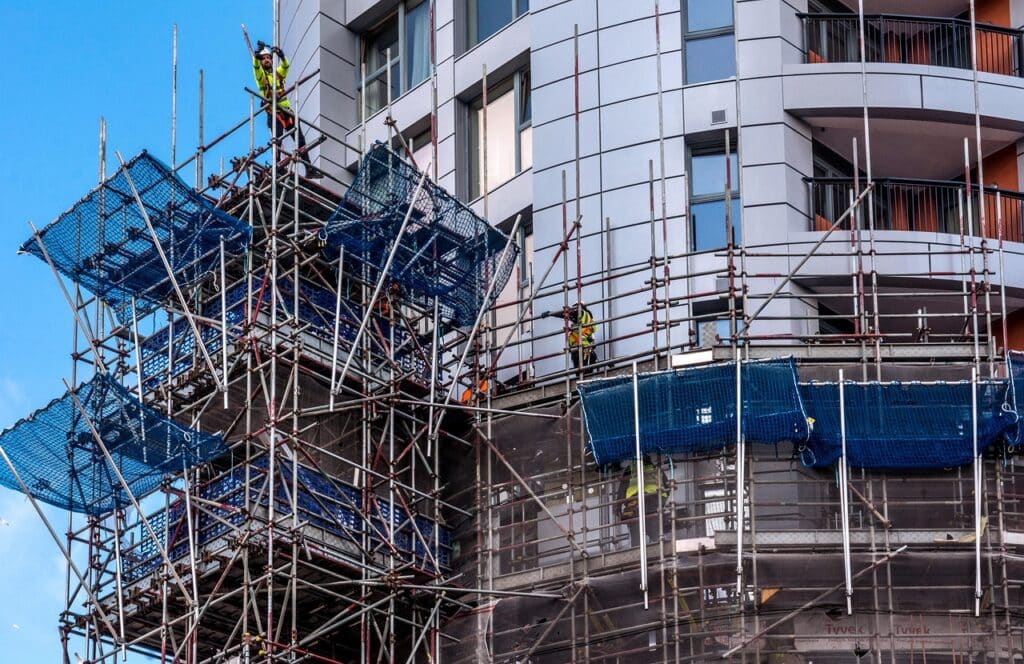
    Image of Apt Building Scaled

    Advantages of Using Drones for Commercial Building Facade Inspections

    Improve Worker Safety

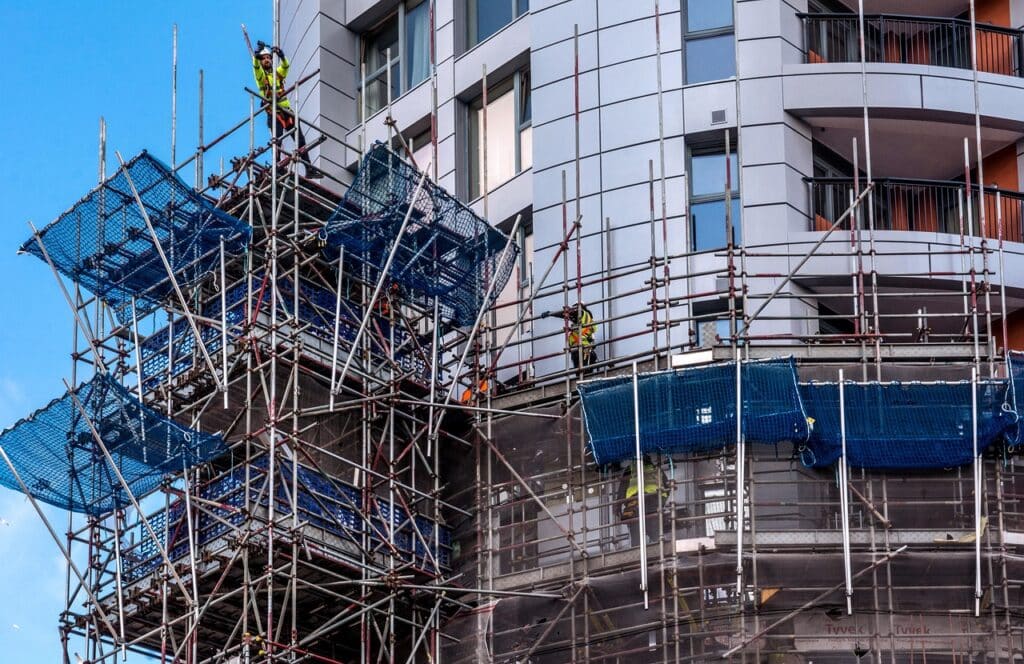
    Traditional methods of inspecting commercial building facades involve manual labor, often requiring workers to use scaffolding or suspended platforms. These methods can pose significant risks, including falls and accidents. By using drones, building owners and inspectors can eliminate or significantly reduce the need for workers to access dangerous heights, thereby improving worker safety and reducing potential injuries or accidents.

    Cost Savings

    Drone data collection services offer cost savings in multiple ways. Drones can capture high-resolution images and videos, eliminating the need for expensive equipment such as scaffolding, high-reach cranes or helicopters. Additionally, drone inspections are more time-efficient, reducing labor costs associated with extended inspection periods. By providing accurate and comprehensive data, drones help identify issues early on, preventing costly repairs and minimizing long-term maintenance expenses.

    Commercial Building Facade - East Corner Inspection
    Commercial Building Facade – East Corner Inspection

    Speed of Deliverables

    Drone inspections enable rapid data collection and analysis. In the past, commercial building owners used scaffolding and time intensive labor to log building inspections. Drones can capture detailed images and videos of building facades efficiently and at high speed. What used to take a week or more, drone data can be processed quickly and turned into actionable insights, allowing stakeholders to make informed decisions promptly. This swift turnaround time accelerates the entire inspection process, enabling building owners to address any identified issues promptly.

    Manpower Allocation

    Using drones for building facade inspections allows for optimal allocation of manpower. Instead of dedicating a significant number of workers to perform manual inspections, these resources can be redirected to other crucial tasks, such as maintenance, repairs, or specialized assessments. By streamlining the inspection process, drone data collection services help organizations allocate their workforce more efficiently, saving time and resources.

    Engaging Key Stakeholders

    Drone inspections facilitate effective communication and engagement among key stakeholders. The comprehensive visual data captured by drones provides a clear understanding of the building’s condition, making it easier to communicate potential issues to internal teams, building owners, insurers, and external contractors. This transparency will help to foster collaboration and ensure all stakeholders are well-informed and engaged throughout the inspection and maintenance processes.

    Construction Defect Cases on the Rise

    Design defects and poor workmanship have risen to become leading causes of engineering claims. Defective products are the single biggest source of engineering claims by frequency, and the second largest by severity, according to AGCS claims analysis. Accounting for 27% of engineering claims, there are almost three times as many defective products claims as storm claims, the next largest cause of engineering claims by frequency.

    Commercial buildings often have hard to reach places that make facade inspections difficult and time consuming.  Compared to more frequently used manual visual inspections, using drones for commercial building facade Inspections can more easily capture high-resolution images and videos, which can be used to create detailed reports of the defects.  Drone data is objective and impartial, which can help to persuade a jury.

    Drones Aid a Construction Defect Claim

    A homeowners association representing a residential development of more than 100 homes filed a construction defect claim against the home builder, a UAV/Drone Service Provider was enlisted to document several construction defects relating to the work of the roofer, including damaged/broken roof tiles, overexposure at rakes and ridges, and liquefaction of self-adhesive flashing.

    High-resolution photos and videos captured by the aerial survey revealed the extent of the damages, thus, a time consuming and costly manual inspection was avoided and the high resolution drone data ultimately led the two sides to agree to a fair settlement.

    Drone data collection services have become a game-changer for commercial building facade inspections. By leveraging drones, building owners and inspectors can benefit from improved worker safety, cost savings, expedited deliverables, optimized manpower allocation, and better engagement with key stakeholders. The construction defect case outlined above demonstrates the significant impact of drone inspections in legal proceedings, providing compelling evidence to support claims and, in many cases, leads to equitable outcomes. 

    From The Editor

    Do you need to hire a professional drone service provider for your project?  To speak to an aerial data specialist, fill out a form, email us or for even faster response times, give us a call at (833) FLY-4YOU or (833) 359-4968.  Check out our transparent pricing at Drone Photography Pricing and watch this space as we expand on the above topics and more over the coming weeks and months.  

    If you like this post, feel free to click the share button at the bottom of the page.  We appreciate you helping us by spreading the content we share on our blog.
  • Embracing Drone Tech in Commercial Building Construction

    Embracing Drone Tech in Commercial Building Construction

    In today’s rapidly evolving business landscape, innovation is the key to success. One such innovation that has revolutionized various industries, including commercial building construction, is drone technology. Drones offer tremendous potential to improve productivity, enhance internal and external communications, ensure worker safety, and maximize overall return on investment (ROI) for each construction project. 

    However, convincing internal teams to embrace this transformative technology requires a mindset change. In this blog post, we will explore the five key ways to effect a mindset change within your commercial building construction company and highlight the considerations that are crucial to the successful implementation of a drone monitoring program.

    Educate and Demonstrate the Benefits

    To convince internal teams of the value of drone technology, it is essential to educate them about its potential benefits. Provide clear examples and case studies that showcase how drones can improve productivity, streamline workflows, and deliver accurate data for informed decision-making. For example, your firms Purchasing Manager can utilize aerial data captured by a drone to quickly evaluate existing site material stockpiles so that replenishing needed supplies keeps projects on time and within budget.  Equipment theft is an unfortunate reality for construction GMs but drones are able to provide near-time aerial monitoring to minimize the risk of equipment loss.  Demonstrating the cost-effectiveness, time-saving capabilities, and improved quality assurance that drones bring to the construction process will help stakeholders understand the value of adopting drone technology.

    Co-Workers Engineering Business Solutions at an Internal Meeting
    Co-Workers Engineering Business Solutions at an Internal Meeting

    Address Concerns and Misconceptions

    Change often meets resistance due to fears and misconceptions. Addressing these concerns head-on is crucial to fostering a positive mindset shift. Common concerns may include job security, privacy, and the perceived complexity of implementing drone technology. Provide transparent and well-researched responses, emphasizing the fact that drones are tools that enhance human capabilities rather than replacing them. 

    One notable historical reference that illustrates concerns about new tools potentially replacing jobs is the Industrial Revolution in the 18th and 19th centuries and the 19th century British Luddites. During this transformative period, significant advancements in machinery and automation revolutionized various industries, particularly in manufacturing and textiles.  Luddite workers were concerned about, among other things, job security.  In the end, while some jobs were impacted, the Industrial Revolution also created new employment opportunities and ultimately led to overall economic growth and higher living standards.  

    Assure employees that proper guidelines and regulations are in place to protect privacy and security.

    People at a business meeting in agreement
    Internal Teams Working Together Creates the Opportunity for Better Business Outcomes

    Foster Collaboration and Training

    To effectively adopt drone technology, collaboration across departments and training programs are vital. Encourage cross-functional teams to work together to understand the specific requirements and opportunities drones can provide. Create training programs to ensure employees feel confident and empowered when using this technology. By involving employees in the decision-making process and providing them with the necessary skills, you can build a sense of ownership and enthusiasm for drone integration.

    Staff Member Presenting to Internal Business Teams
    Staff Member Presenting to Internal Business Teams

    Showcase Success Stories

    One of the most powerful ways to effect a mindset change is by showcasing success stories from within the industry. Highlight how other commercial building construction companies have successfully implemented drone technology and reaped the rewards. Share testimonials, construction drone use case studies, and ROI analyses to inspire your internal teams and demonstrate that embracing drones is not just a trend but a proven strategy for growth and efficiency.

    Continuously Adapt and Improve

    Lastly, fostering a mindset change requires an ongoing commitment to adapt and improve. Encourage feedback and suggestions from your teams as they begin to utilize drone technology. Actively listen to their experiences and concerns and incorporate their insights into the implementation process. This iterative approach will not only address any challenges but also enhance the credibility and effectiveness of the technology, creating a culture of continuous improvement.

    The construction industry is poised to embrace the transformative power of drone technology. By effecting a mindset change within your commercial building construction company, you can unlock a multitude of benefits, including improved productivity, enhanced internal and external communications, increased worker safety, and a significant boost to overall company ROI. By educating, addressing concerns, fostering collaboration, showcasing success stories, and committing to continuous improvement, you can pave the way for a successful integration of drones into your organization’s operations. Embrace the potential of drone technology and take your commercial building construction company to new heights.

    From The Editor

    Do you need to hire a professional drone service provider for your project?  To speak to an aerial data specialist, fill out a form, email us or for even faster response times, give us a call at (833) FLY-4YOU or (833) 359-4968.  Check out our transparent pricing at Drone Photography pricing and watch this space as we expand on the above topics and more over the coming weeks and months.  

    If you like this post, feel free to click the share button at the bottom of the page.  We appreciate you helping us by spreading the content we share on our blog.