Tag: Commercial Drone Service Provider

  • Benefits of Using 360 Virtual Tours in Commercial Construction

    Benefits of Using 360 Virtual Tours in Commercial Construction

    As a drone service provider focused on providing digital data collection solutions to the construction industry, we know that timely communication between the field and key stakeholders is critical to keeping commercial construction projects on time and within budget. Just as we need to be able to keep our clients informed of the progress of the project, construction project managers need to be able to get feedback from key stakeholders on the design and construction of the building.

    In the past, most GMs have used traditional methods of communication, such as email, phone calls, and meetings. However, most have found that these methods can be time-consuming and inefficient. For example, it can be difficult to convey the progress of a project through email or phone calls. And, meetings can be disruptive to the workflow of the project team. (Ahem, who needs another meeting, right?)

    Using 360 Virtual Tours to Keep Stakeholders Engaged

    Recently, we have started using 360 virtual walking tours to allow our clients to communicate internal clients and key stakeholders. These tours allow GMs to give them a virtual tour of the construction site, so they can see the progress of the project for themselves. This has been a great way to keep Aerial Decision’s clients informed and engaged in the project.

    What are 360 Virtual Walking Tours?

    360 virtual tours are interactive experiences that allow users to explore a location or building in a 360-degree view. They are typically accessed through a web browser using 3rd party software such as Drone Deploy and Pix4D (among others) and can be used for a variety of purposes, including marketing, education, and documentation.  To create a 360 virtual tour, a series of panoramic photos or videos are captured and stitched together to create a seamless, immersive experience. Alternatively, a 3D model of the location or building can be created and rendered in a 360-degree view using computer-generated imagery (CGI).

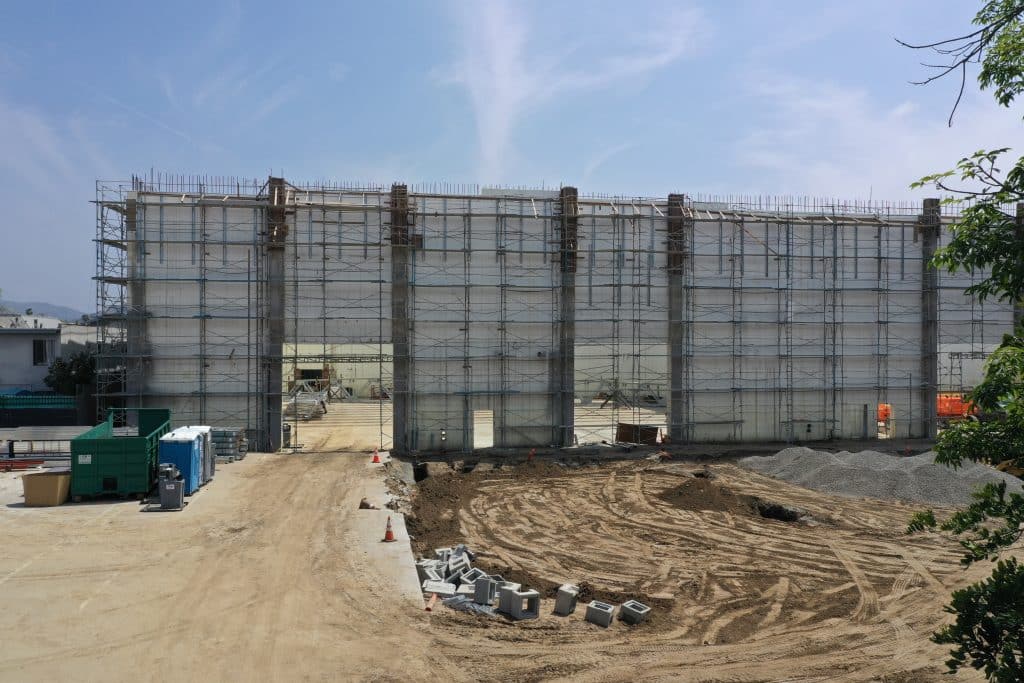
    360 Effects on a Construction Site
    360 Effects on a Construction Site

    Benefits of using 360 virtual walking tours in commercial building construction projects:

    • Improve communication

    360 virtual walking tours can improve communication between the project team, the client, and the stakeholders. This is because they allow everyone involved in the project to see the progress of the project for themselves. This can help to avoid misunderstandings and ensure that everyone is on the same page.

    • Increase engagement

    360 virtual walking tours can increase engagement with clients and stakeholders. This is because they allow them to feel like they are part of the project. They can see the progress of the project and provide feedback on the design and construction of the building. This feedback can be invaluable to the project team.

    • Reduce costs

    360 virtual walking tours can reduce costs associated with communication. This is because they eliminate the need for travel and meetings. This can save the project team time and money.

    If you are a commercial building construction project manager, we encourage you to consider using 360 virtual walking tours to communicate with your clients and stakeholders. They can be a valuable tool that can help you improve communication, increase engagement, and reduce costs.

    • Increase Safety

    Virtual 360 walking tours allow you to create a comprehensive digital representation of the construction site, providing a realistic view of the environment. This enables workers to identify potential hazards, such as uneven surfaces, obstructions, or unsafe working conditions, before they physically enter the site. By identifying hazards in advance, workers can take appropriate precautions and reduce the risk of accidents and injuries.

    Virtual 360 Walking Tours Increase Worker Safety on Construction Projects

    Additional tips for creating effective 360 virtual walking tours for commercial building construction projects:

    • Make sure the tours are high quality. The images and videos should be clear and in focus.
    • Include all the important areas of the construction site. This includes the interior and exterior of the building, as well as any surrounding areas.
    • Use clear and concise language to describe the features of the building.
    • Add interactive elements to the tours, such as hotspots that allow viewers to learn more about specific features of the building.
    • Promote the tours to your clients and stakeholders. You can do this by adding them to your website, social media channels, and email marketing campaigns.

    In summary, using 360 virtual walking tours showcases your construction project and offers a low cost and safe alternative to keeping internal clients and key stakeholders visually apprised of the construction projects progress.

    From The Editor:

    Do you need to hire a professional drone service provider or 360 virtual walking tour for your project?  To speak to an aerial data specialist, fill out a form, email us or for even faster response times, give us a call at (833) FLY-4YOU or (833) 359-4968.  Check out our transparent pricing at Drone Photography pricing and watch this space as we expand on the above topics and more over the coming weeks and months.  If you like this post, feel free to click the share button at the bottom of the page. We appreciate you helping us by spreading the content we share on our blog.


  • Top 5 Technologies for Construction Project Managers

    Top 5 Technologies for Construction Project Managers

    As the CEO of a drone data collection company, my goal is to look for ways to leverage emerging technologies that help commercial construction companies complete their projects on time and on budget. To achieve this, we rely on several technologies that enable us to collect, analyze, and share data with our clients efficiently. In this blog post, I will discuss the top five technologies that we use to accomplish our goals.

    Commercial Building Construction
    Commercial building construction

    Top 5 Technologies for Construction Project Managers

    Drones

    You guessed it, Drones.  Otherwise known as sUAS, Small Unmanned Aircraft Systems are the primary technology that we use to collect data for construction projects. Drones allow us to capture high-resolution aerial imagery and 3D models of job sites quickly and safely. This technology helps us to identify potential issues and track progress throughout the construction process, allowing us to make adjustments in real-time.  Drones can also cover a large area in a short amount of time, providing construction managers with a quick and efficient way to monitor progress. This saves time and allows construction managers to focus on other important tasks.

    Drone Data Software

    There are several drone data software options available, including Drone Deploy, Pix4D, Propeller, and Agisoft Metashape. Each of these software options has its own unique features, advantages, and disadvantages. For example, Drone Deploy offers a user-friendly interface and integrates with several other software options. Pix4D provides a more advanced photogrammetry solution and is best suited for large-scale projects. Propeller offers a cloud-based platform that allows for easy collaboration and sharing of data. Agisoft Metashape is a powerful solution that offers high-precision data processing and is best suited for complex projects. Regardless of the software option, drone data software enables us to process and analyze the data collected by our drones quickly and accurately, making it easier to identify potential issues and track progress.

    Geographic Information System (GIS)

    GIS technology allows us to overlay drone data on top of maps, creating a visual representation of the construction site. This technology enables us to identify potential issues and track progress in real-time. GIS also allows us to share data with our clients more efficiently, enabling them to make informed decisions about their projects.

    Machine Learning

    Machine learning technology allows us to analyze large amounts of data quickly and accurately. This technology enables us to identify patterns and trends in the data, making it easier to identify potential issues and track progress. Machine learning also enables us to make more accurate predictions about project timelines and budgets, ensuring that our clients’ projects are completed on time and on budget.

    3D Orthomosaic for Drone Construction Monitoring
    3D Orthomosaic for Drone Construction Monitoring

    Augmented Reality (AR)

    AR technology enables us to create immersive, 3D simulations of construction projects. This technology allows us to visualize the project before it is built, making it easier to identify potential issues and make changes. AR also enables us to communicate more effectively with our clients, ensuring that everyone is on the same page throughout the project.

    In conclusion, I believe that technology plays a crucial role in helping commercial construction companies complete their projects on time and on budget. By utilizing drones, drone data software, GIS, machine learning, and AR, drone service providers like Aerial Decisions can help improve on construction project efficiencies, reduce waste, and deliver construction project data that meet our clients’ needs. I am excited to continue to explore new technologies as they emerge and to use them to help our clients succeed in the future. As construction project managers, what technologies do you use to help you get your projects completed on time and on budget?

    From The Editor:

    Do you need to hire a professional drone service provider?  To speak to an aerial data specialist, fill out a form, email us or for even faster response times, give us a call at (833) FLY-4YOU or (833) 359-4968.  Check out our transparent pricing at Drone Photography Pricing and watch this space as we expand on the above topics and more over the coming weeks and months.  If you like this post, feel free to click the share button at the bottom of the page.  We appreciate you helping us by spreading the content we share on our blog.
  • 5 Types of Data Drones Commercial Land Developers Look For

    5 Types of Data Drones Commercial Land Developers Look For

    As drone technology evolves, so too do the applications for which they can be used. One industry that has been particularly impacted by the use of drones is commercial land development.  As the commercial construction industry is poised to grow from $6.4 trillion USD to $14.4 trillion USD by 2030, the genesis of projects in this high growth sector involves land acquisition and commercial development.

    What types of drone data do land developers look for?

    Drones are being used to capture a wide variety of data for these projects, allowing developers to make more informed decisions and improve project outcomes.  From commercial high rises to student housing for education, drones are fast becoming a standard part of the developers equipment portfolio.  But what type of data are drones really capable delivery of that delivering that help commercial land developers?

    Here I list some of the types of data that drones can capture for commercial land development projects:

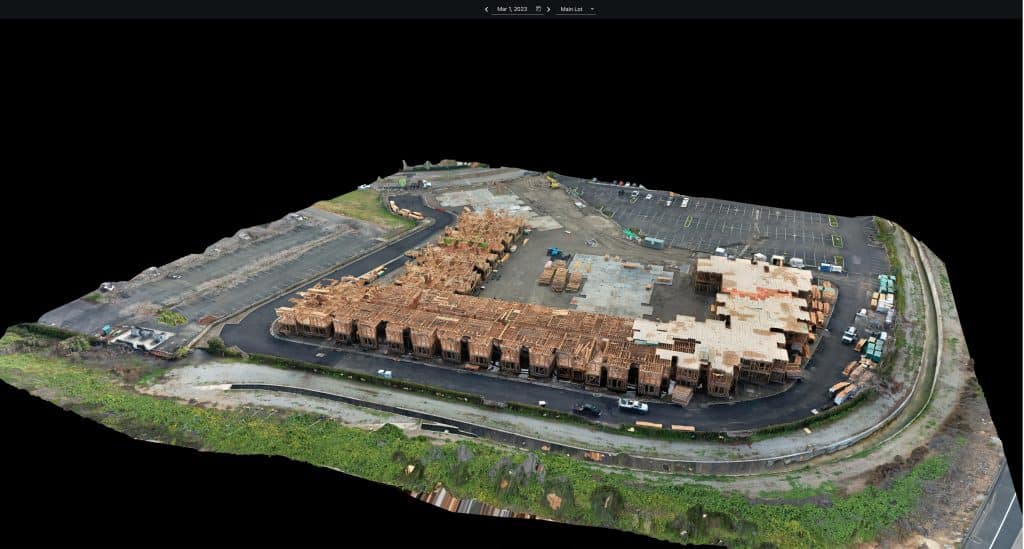
    Image of Lot Main Site X
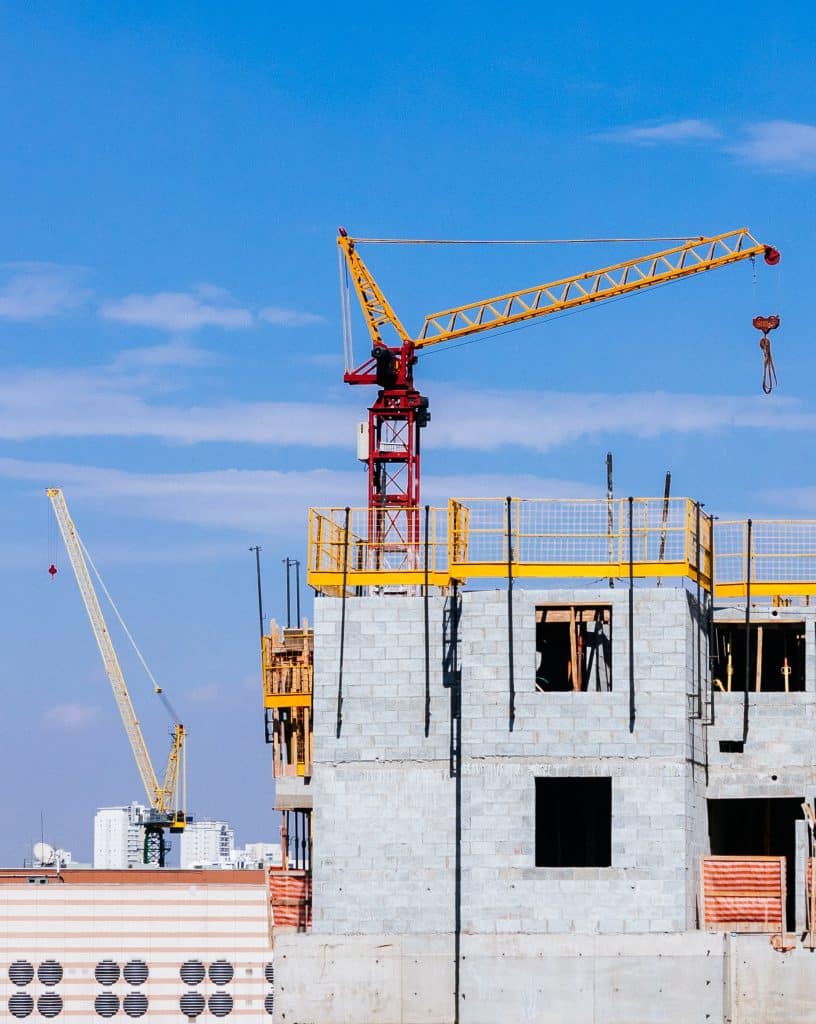
    Early construction phase for new student housing project

    Aerial Imagery

    Perhaps the most obvious use of drones in land development is to capture aerial imagery. Drones equipped with high-resolution cameras can capture detailed images of the land, including topography, vegetation, and existing infrastructure. Drone service providers use this information to create detailed 3D maps and models that can be used to inform design decisions.

    Thermal Imagery

    Drones can also be equipped with thermal cameras, which can detect heat signatures. This can be useful for land development projects where heat signatures can indicate potential problems, such as leaking pipes or hotspots in electrical systems. Thermal imagery can also be used to detect changes in temperature that may indicate changes in land use, such as the construction of new buildings or roads.

    LiDAR

    Drones can be equipped with LiDAR (Light Detection and Ranging) sensors, which use lasers to create high-resolution maps of the land. This technology is particularly useful for land development projects that involve complex terrain or structures, such as bridges or tunnels. LiDAR can also be used to detect changes in elevation, which is important for projects that involve grading or excavation.

    Environmental Data

    Drones can be used to capture a wide variety of environmental data for land development projects, including air and water quality, noise levels, and wildlife populations. This information can be used to identify potential environmental impacts of the project and develop mitigation strategies.

    Image of Glendale Sudios Orthomosaic X
    Construction progress monitoring includes orthomosaic images

    Construction Monitoring

    Aerial Decisions uses drones to monitor construction progress and detect any potential issues that are time sensitive in nature. By capturing high-resolution images and videos of the construction site, we assist developers in identifying potential problems early on and make any necessary adjustments to the project.  Additionally, drones can also be used to inspect properties and land without the need for workers to access potentially hazardous areas.  This can help to improve safety on job sites and reduce the risk of accidents.  Another useful drone application is in the area of on site supply management.  Drones can capture volume data for project stockpiles and immediately transfer that data to supply chain managers, ensuring the timely delivery of fresh supplies to each job site.

    In conclusion, I can say definitively that drones have become a valuable tool for commercial land development projects. They are capable of capturing a wide variety of data, including aerial and thermal imagery, LiDAR data, environmental data, and construction monitoring data. By using drones to collect this information, developers can make more informed decisions and improve project outcomes.

    From The Editor:

    Do you need to hire a professional drone service provider?  To speak to an aerial data specialist, fill out a form, email us or for even faster response times, give us a call at (833) FLY-4YOU or (833) 359-4968.  Check out our transparent pricing at Drone Photography Pricing and watch this space as we expand on the above topics and more over the coming weeks and months.  If you like this post, feel free to click the share button at the bottom of the page.  We appreciate you helping us by spreading the content we share on our blog.
  • 3 Advantages of using Drones for Bridge Inspections

    3 Advantages of using Drones for Bridge Inspections

    Bridges and overpasses are a critical part of America’s infrastructure. They facilitate the transportation of people and goods across the country and are essential to the nation’s economy. However, many of these structures are aging, and the need for infrastructure repairs is becoming more pressing.

    According to the American Society of Civil Engineers, the average age of the 614,387 bridges in the United States is 44 years. The ASCE also rated the condition of bridges on a scale of 0-100, with 0 indicating failure and 100 indicating excellent condition. The national average score for bridges was 43, which is considered poor.

    Many bridges and overpasses are in need of repair, with rust, corrosion, and cracks in their structures posing significant safety risks. In 2021, the American Road and Transportation Builders Association’s (ARTBA) Bridge Report revealed that there are 231,000 bridges in the United States that need repair work.

    The need for infrastructure repairs is particularly high in the Northeast and Midwest regions of the country. The ARTBA report found that these regions have the highest percentage of structurally deficient bridges. The state of Iowa has the highest percentage of structurally deficient bridges in the country, with over 4,500 bridges in need of repair. Pennsylvania has the second-highest number of structurally deficient bridges, with over 3,000 in need of repair.

    Image of Pexels Klas Tauberman X
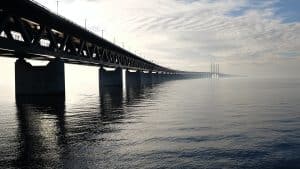
    Bridge with hard to reach inspection points

    Drones Can Easily Locate Important Repairs

    Drones can be a useful tool in inspecting bridges and overpasses.  Aerial drone photography can be especially helpful capturing high-resolution images and videos in tight spaces underneath bridges and overpasses.  The data drones can capture provide valuable information about the condition of a structure. This information can help engineers identify areas that require repair work and develop maintenance plans.

    Drones Increase Workforce Safety

    Drones can also improve safety in bridge inspections. Inspectors often need to climb up to great heights to inspect a bridge, which can be dangerous and time-consuming. With drones, inspectors can remain on the ground and operate the drone remotely. This reduces the need for man-power and makes inspections safer.

    Image of Old Bridge X
    Rural bridge over flowing river

    Drones Reduce Inspection Costs

    The use of drones for bridge inspections can help save money in a number of areas.  The US government estimates that a typical bridge inspection costs between $4,500 and $10,000 per inspection.  Costs include worker compensation (and benefits), equipment (transportation and storage) and traffic management expenses.  According to Drone Deploy, drones can reduce those costs as much as 75% and the California Resources Corporation estimates drone inspections results in a 90% reduction in inspection time.

    In conclusion, the state of bridges and overpasses in the United States is concerning. With the average age of bridges being 44 years and the national average condition score being 43, the need for infrastructure repairs is pressing. 

    Fortunately, the recent Infrastructure Investment and Jobs Act (IIJA; P.L. 117-58), enacted on November 15, 2021, established federal programs specifically to fund bridges and significantly increased the total amount of federal funding that can be used for bridge construction and repair.

    Ultimately, drones can be an effective tool in inspecting bridges and overpasses, improving safety, saving costs, and increasing efficiency in inspections.

    From The Editor:

    Do you need to hire a professional drone service provider?  To speak to an aerial data specialist, fill out a form, email us or for even faster response times, give us a call at (833) FLY-4YOU or (833) 359-4968.  Check out our transparent pricing at Drone Photography Pricing and watch this space as we expand on the above topics and more over the coming weeks and months.  If you like this post, feel free to click the share button at the bottom of the page.  We appreciate you helping us by spreading the content we share on our blog.
  • Why Telecom Managers Use Drones for Cellular Tower Inspections

    Why Telecom Managers Use Drones for Cellular Tower Inspections

    Cellular technology manager’s primary responsibility is to ensure the safety and reliability of cell towers. Regular cell tower drone inspections are crucial to identify and address any potential problems before they become major issues that can impact network performance and safety. While traditional tower inspections are still commonly used, the use of drones has become increasingly popular due to their ability to save time, money and improve human safety.

    Drone Inspections Save Time

    Using drones for cell tower inspections can significantly save time. Drone inspections can be completed much faster than traditional inspections, as they can quickly cover the entire tower without needing to set up complex rigging or scaffoldings. In addition, drones can capture high-quality images and video footage of the tower, allowing for more detailed analysis and faster identification of potential issues. This means that the inspection process can be completed quickly, and any necessary repairs or maintenance can be performed in a timely manner, reducing downtime for the network.

    Image of Cellular Tower X
    Modern cellular or PCS base station

    Drones Improve Cost Savings

    Using drones for cell tower inspections can also save money. Traditional inspections can be expensive, requiring specialized equipment and skilled technicians. Drone inspections are more cost-effective as they require fewer personnel and resources to complete the inspection process. Additionally, drone inspections can identify issues early, which can reduce the cost of repairs and maintenance in the long run.

    Ensure Worker Safety

    Finally, using drones for cell tower inspections can also improve human safety. Typical cellular towers (or PCS Base Stations) range from 50-200 feet.  Traditional inspections often require technicians to climb the tower, which can be a hazardous task. Drones can eliminate the need for technicians to climb the tower, reducing the risk of accidents and injuries. This is especially important in remote or hard-to-reach locations, where the risk of accidents can be even higher.

    In conclusion, cell tower inspections are critical for ensuring the safety and reliability of cellular networks. The use of drones for these inspections offers significant benefits, including time and cost savings, as well as improved human safety. Cellular technology managers are constantly exploring and adopting new technologies like drones to ensure that their networks remain safe, reliable, and cost-effective.

    From The Editor:

    Do you need to hire a professional drone service provider?  To speak to an aerial data specialist, fill out a form, email us or for even faster response times, give us a call at (833) FLY-4YOU or (833) 359-4968.  Check out our transparent pricing at Drone Photography Pricing and watch this space as we expand on the above topics and more over the coming weeks and months.  If you like this post, feel free to click the share button at the bottom of the page.  We appreciate you helping us by spreading the content we share on our blog.
  • 5 Benefits of Using Drones in Commercial Real Estate

    5 Benefits of Using Drones in Commercial Real Estate

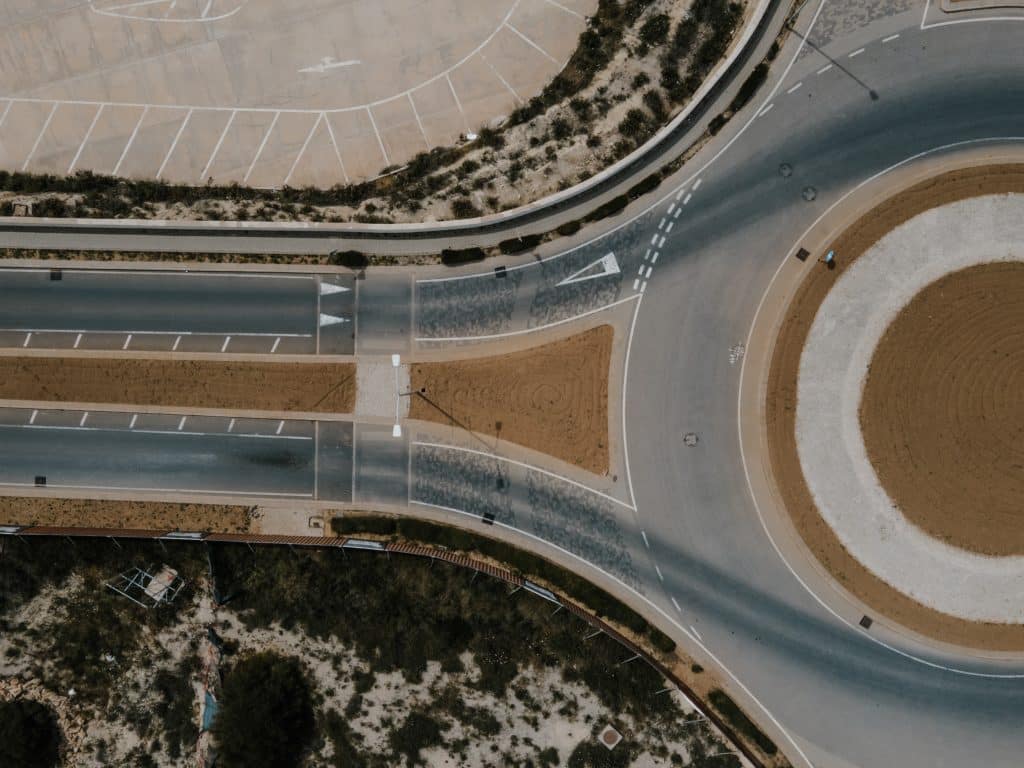
    The adoption of aerial drone photography in the commercial real estate industry is on the rise. Like other industries, there are many benefits of using drones for commercial real estate, including improved efficiency, cost savings, and higher quality data. In this blog post, I will discuss the top five benefits of using drones in commercial real estate, along with recent statistics illustrating the uptick of drone adoption in the industry; specifically in the Los Angeles market.

    Image of Indian Springs Cre For Lease X
    Los Angeles Commercial Retail Center

    Here we go: 

    Faster and More Efficient Surveys

    Drones are able to capture high-resolution aerial imagery of properties and land. This means that surveys can be conducted faster and more efficiently, saving time and reducing costs. In fact, a recent survey found that 90% of commercial real estate professionals believe that drones have improved the speed and efficiency of their work.

    Improved Marketing

    Drones can capture stunning aerial footage of properties that can be used in marketing materials. This can help to attract potential buyers or tenants, as well as showcase a property’s unique features. According to a recent report, using drones in real estate marketing can lead to a 68% increase in listing views.

    Image of Dji X
    Commercial Real Estate Rooftop Drone Inspection

    Enhanced Property Inspections

    Drones can perform inspections of roofs, facades, and other hard-to-reach areas of a commercial real estate property. This can help to identify potential issues before they become major problems, leading to cost savings and improved safety.

    More Accurate Property Valuations

    Drones can capture high-quality aerial imagery that can be used to create accurate 3D models of commercial properties. This can help to provide a more accurate valuation of a property, leading to better informed decisions and potentially higher profits.

    Increased Safety

    Drones can be used to inspect properties and land without the need for workers to access potentially hazardous areas. This can help to improve safety on job sites and reduce the risk of accidents.

    Now, let’s take a look at some recent statistics on drone adoption in the commercial real estate industry. According to a recent report, the use of drones in commercial real estate has increased by 200% in the last year alone. Additionally, the Los Angeles commercial real estate market has been identified as having significant potential for the use of drones in real estate. With the city’s large and diverse real estate market, drones can be used to capture aerial footage of a wide range of properties, from industrial warehouses to luxury residential homes.

    In conclusion, I believe the benefits of using drones in commercial real estate are numerous. From improved efficiency and cost savings to higher quality data and increased safety, drones are helping to revolutionize the way that real estate professionals conduct their work. As adoption rates continue to grow, I fully expect to see even more innovative uses of drones in the commercial real estate industry.

    From The Editor:

    Do you need to hire a professional drone service provider?  To speak to an aerial data specialist, fill out a form, email us or for even faster response times, give us a call at (833) FLY-4YOU or (833) 359-4968.  Check out our transparent pricing at Drone Photography Pricing and watch this space as we expand on the above topics and more over the coming weeks and months.  If you like this post, feel free to click the share button at the bottom of the page.  We appreciate you helping us by spreading the content we share on our blog.
  • 12 Qualities of an Excellent Drone Service Provider

    12 Qualities of an Excellent Drone Service Provider

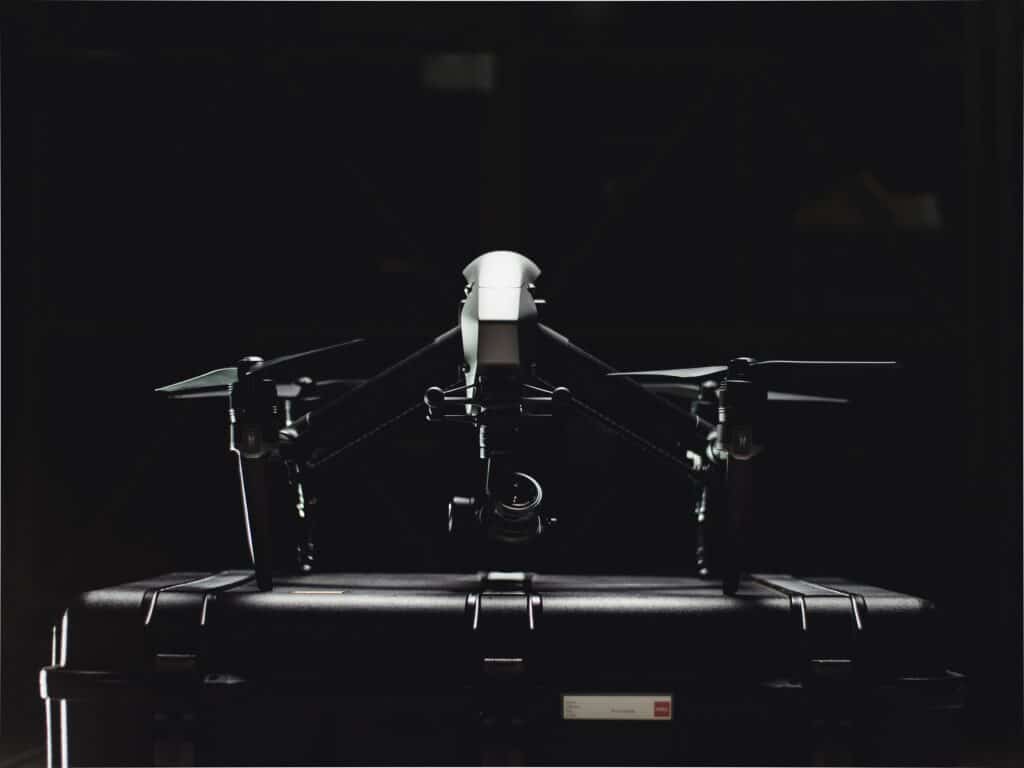
    With the recent growth of unmanned aircraft into the commercial drone sector, many companies have found themselves in the position of needing to create new jobs for FAA Part 107 Certificated Remote Pilots. Considering the relative infancy of commercial small Unmanned Aircraft Systems (sUAS) operations, this has created a limited, yet rapidly growing pool of applicants that all share one basic qualification – an FAA airman certificate or “drone pilot license.”

    Image of Part License
              FAA Part 107 License

    A drone pilot license to fly a sUAS under Part 107 of the Federal Aviation Regulations (FARs) does not take much time to obtain. This typically requires that the applicant be 16 years of age or older and able to pass a 60 question, multiple-choice exam, known as the Part 107 exam. As a result, many employers are now left wondering, what other qualities and experience should we be looking for in a commercial drone service provider?

    In no particular order, here are 12 of the most important qualities of a drone service provider:

    Detail Oriented

    A commercial drone pilot needs to be detail oriented. To be a safe sUAS pilot, an individual should use checklists, create safety procedures, and be very alert to changes in weather or situational safety. The equipment also requires a tremendous amount of time and effort to keep the drone and the software maintained. A person who skips steps and cuts corners is not likely to be a very effective and safe commercial drone pilot.

    Image of Mdr Shoot X
    Situational awareness means being Prepared, Organized and Alert

    Socially Skilled

    Drone pilots are constantly approached by the public and asked questions about their equipment, how to fly, and what they are doing. Drone service providers must learn to be comfortable in a situation where people are watching them complete a difficult task and bombarding them with questions. That may require a friendly yet tactful response (said with a smile) such as, “I’d love to answer your questions and show you my footage, but due to safety reasons I can’t talk while I’m flying so let’s talk after I land in a few minutes.”

    Cool, Calm and Collected

    Not only are interruptions from the public and performing in front of an audience challenging, there are other conditions that can also cause flying a drone to be stressful. Many things can go wrong when flying a drone. Firmware updates, wind, rain, snow, extreme cold, extreme heat, fog and the like can cause hardware, software and drone malfunctions. Not to mention other hazards like aggressive angry birds, air traffic, ground traffic, advisories from the air traffic control tower, restricted airspaces, geo fences, etc. are among the many obstacles a drone service provider must navigate while remaining cool, calm, and collected to stay safe and complete the mission in the best way possible. Even if everything goes wrong, they stay composed, especially in front of the client.

    Disciplined

    A commercial drone pilot needs to be able to fully understand and comprehend the consequences of their actions. A drone is considered an aircraft by the FAA. An excellent drone service provider does not break the rules or cut corners and takes the time to consider the consequences. A drone pilot that breaks FAA laws and/or regulations will be subject to fines and/or possibly have their license revoked. 

    Punctual

    In many instances, an aerial image is being collected to gather data or an image at a specific point in time. A safe drone service provider will arrive on site early enough to conduct a thorough site survey and weather assessment, scout the area, identify potential hazards, and test their equipment, and other important safety procedures. If a drone pilot arrives late to the site, they could rush through important steps and be more likely to cause an accident.

    Image of Mdr Shoot X
    Pilots often perform simple test flights prior to the actual mission

    Organized

    To fully maintain procedural discipline and to gain the utmost levels of safety and consistency in performance under a range of both normal and challenging conditions, many drone service providers will meticulously create a plan for each mission as well as a plan to maintain, organize, label, and store their equipment.

    Humility

    Flying a drone can include many costly risks. Companies need to protect themselves by ensuring that their drone service providers are competent, safe, extensively trained, licensed, and insured. A pilot who thinks him or herself invincible and above the law will be more likely to cause an accident or damage. A good drone service provider will understand that accidents are possible and will not overestimate their abilities, take necessary precautions, but still be confident enough to successfully conduct a mission. Or if conditions are too unsafe or hazardous to complete the mission, they will humbly call off the mission.

    Dedicated

    The sUAS industry is still in its infancy and evolving rapidly. Dedicated drone service providers are ready and willing to seek and give help, build, and strengthen their drone community, and continuously learn, hone skills, and refine their craft. They are passionately involved and enjoy the fast-moving speed of this new tech and art form. 

    Inquiring 

    Much like the autonomous drones they fly, good drone service providers are data collectors. They inquisitively ask questions to gain perspective on a situation. Part of being a good drone service provider is being able to assess a flight location, gather information on a variety of factors, and make final decisions related to the specifics of the appropriate plan. A drone service provider that takes the time to properly prep and gather relevant information has a much better chance of conducting safe and successful missions. Good drone service provider often asks the client a lot of questions during an interview. By nature, they are curious and prefer to gather information to paint a clearer perspective of the bigger picture, like a bird’s eye drone view. 

    Image of Glendale Rc Field Scaled
    Drone service providers are professionals who are experts at operating different types of drones

    Situational and Self Awareness

    Excellent drone service providers modestly know their strengths, weaknesses, and personal limits. They will also possess situational awareness and be able to analyze a situation and know when not to fly. When the pressure is on to conduct a flight, a discerning drone service provider focused on safety will be able to call off the mission and explain why.

    Team Leader

    A good drone service provider must understand their position as the Remote Pilot in Command (RPIC). The RPIC is ultimately the decision maker and is held responsible by the FAA for any decisions that they or their crew carry out. Knowing how to manage the crew, make proper decisions and when to set limitations or boundaries on a mission is key. A great drone service provider must have the ability to step up as the leader and guide their crew to completing a safe mission.

    Integrity and Professionalism

    Above all an excellent drone service provider will uphold the highest standards of honesty, integrity, quality, hard work, courtesy, and professionalism. The client of a drone service provider of this caliber will breathe easier knowing they are taken care of, and they will have not only the highest quality valuable assets, but also a safe and enjoyable experience.

    From The Editor:

    Do you need to hire a professional drone service provider?  To speak to an aerial data specialist, fill out a form, email us or for even faster response times, give us a call at (833) FLY-4YOU or (833) 359-4968.  Check out our transparent pricing at Drone Photography Pricing and watch this space as we expand on the above topics and more over the coming weeks and months.  If you like this post, feel free to click the share button at the bottom of the page.  We appreciate you helping us by spreading the content we share on our blog.

  • 4 Ways Drones Impact the Construction Industry

    4 Ways Drones Impact the Construction Industry

    Worker Safety

    Image of Construction Worker Safety X
    Construction Safety is a Priority

    • There were 1,102 work-related fatalities in the construction industry in 2019.  The most important asset in every company is the people they have working for them.  Losing a valuable member of a team can lead to decreased morale, concerns about safety, coworkers quitting because of concerns with safety and a huge financial impact of possible lawsuits and replacing valuable members of your team.
    • Drones in construction can help reduce the risk of accidents and increase the level of safety and accountability around a construction site.  Drones can be used to photograph, map and 3D model a construction site to help monitor potential hazards and identify equipment in hazard locations.
    • A key safety element of using drones is the operators themselves.  Drone teams consist of licensed and insured pilots as well as skilled visual observers.  Together, drone pilot led teams help to minimize cost, increase safety and reduce the overall time to convey critical real-time data.

    Saving Money

    Image of Insure Inspect
    Drone Building Facade Inspection

    • Drones can save a construction company millions of dollars on a construction site through multiple drone use cases.  These include site photos, 2D orthophotos and 3D models, LIDAR Maps, time-lapse videos, promotional videos, visual timelines.  These can all be done at a fraction of the cost just 10 years ago, thanks to the extensive array of tools drones can carry to help the construction industry.
    • Construction companies have found that a 2 –3-week process and several tens of thousands of dollars cost has become a 1 day process when working with a licensed and certified drone service provider.  When you’re looking at dramatic 75 percent or greater cost and time improvement, it’s really powerful,” said Hunter Cole, Brasfield and Gorrie General Contractors.

    Improvement to Infrastructure

    Image of Glendale College Construction Orthorectified X
    An orthomosaic is a great way to capture close to real time construction progress updates

    • When civil engineers are tasked with improving the value and infrastructure of a certain property, they need to survey the property several times.  This is where drones can help by surveying the land quickly and precisely and at a much lower cost than traditional surveying techniques.
    • When construction companies look at large projects that are floated by government organizations of public institutions, using drones to survey and understand the complexities beforehand can provide intelligence that can help create and submit the most comprehensive and competitive bid.

    Audits and Inspections

    Image of Construction Evaluation X
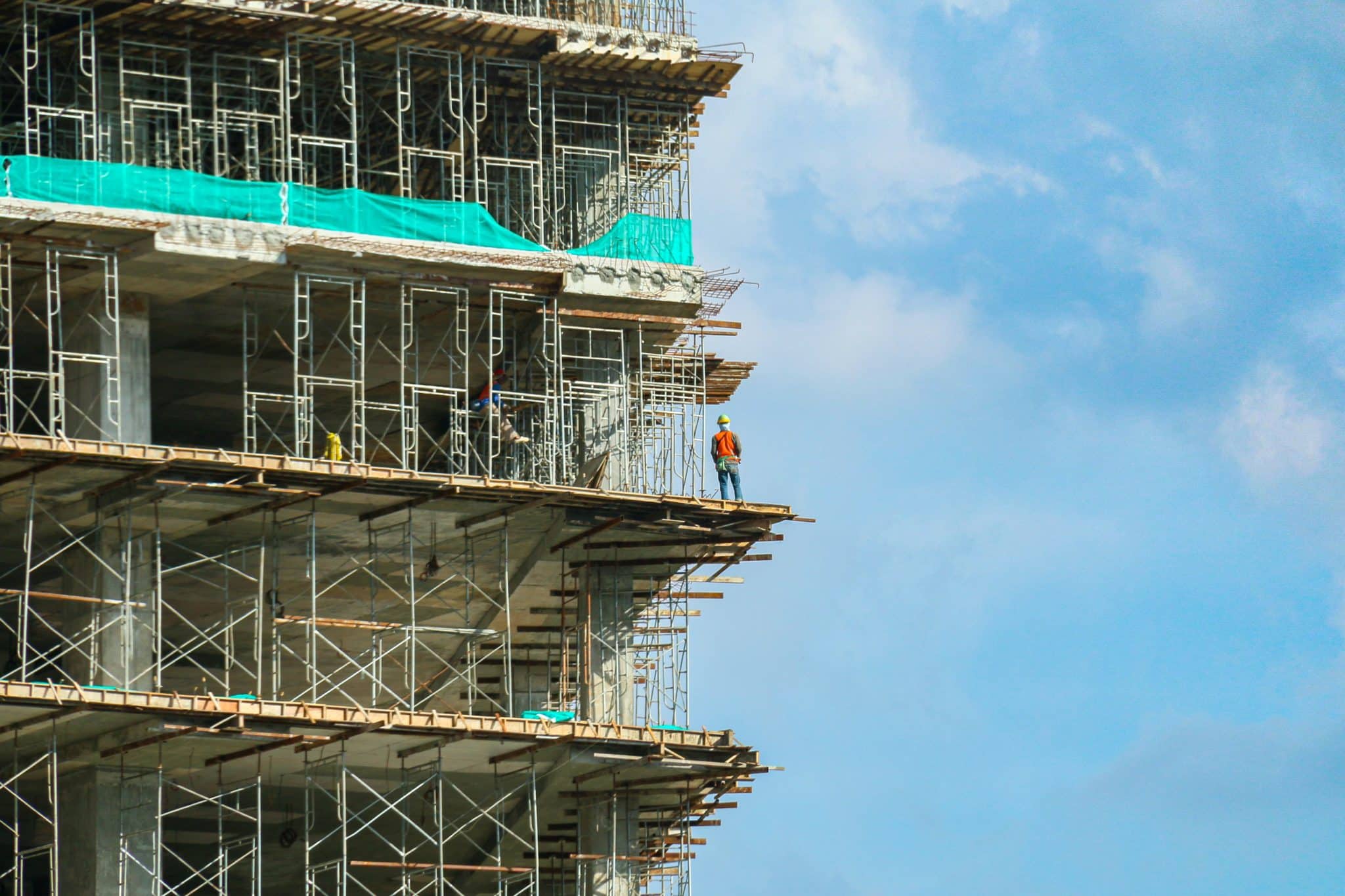
    Construction Workers Face Dangerous Situations

    • Drones are unique in where they can be operated with or without human interaction.  Drones can be operated by humans when they need to help with audits – where a qualified drone inspector or professional can survey the land or property as per guidelines, standards or requirements set out by a governing body.
    • Drones can also be programed to fly from a sheltered home-base and fly the same routes, the same time of day or week.  This can help to make sure that the property isn’t being tampered with and that the project is progressing to scope.  This can save a construction company hundreds of thousands of dollars, especially in reduced theft, phase audits and work certification costs.
    • In summary, construction companies have been using drones for construction progress monitoring, planning and marketing for years now, but with continued advancement in drone capabilities, the impact of drones to the construction industry continue to streamline time and cost as well as worker safety issues factors.

    We’d love to hear your thoughts on matters pertaining to the safe, professional, and ethical operation of drones. Please check our website at  and watch this space as we expand on the above topics and more over the coming weeks and months.  If you like this post, feel free to click the share button at the top of the page.  We appreciate you helping us by spreading the content we share on our blog.

  • Top 15 Most Common Drone Industry Acronyms

    Top 15 Most Common Drone Industry Acronyms

    If you’re like me, you may sometimes wonder if the English language has been reduced to words containing only 3-4 letters.  We often see it in almost every industry we’ve encountered in our professional lives.  

    What am I talking about?

    Acronyms.    

    Image of Drone Plants X
    Drone Flying Over Vegetation

    For those of us in the drone industry, it’s no different.  In fact, given the relatively early stage of our industry’s evolution, it can be quite daunting to keep up with the latest drone industry acronyms.  You’re probably saying, here comes yet another 3 letter word I have to learn.  OMG!

    Well, I thought it would be a great idea to gather a few of the most common drone industry acronyms and provide a definition for each.

    Without further ado, here are my Top 15 Most Common Drone Industry Acronyms (in alphabetical order):

    AGL – Above Ground Level: In aviation, the term AGL generally refers to the height of an object above ground level.  As it relates to Part 107, a drone pilot cannot fly an sUAS (see below) higher than 400 feet Above Ground Level.  The only exception to that rule is if the drone is flown within a 400-foot radius of a structure and does not fly higher than 400 feet above the highest, permanently attached, point of the structure.

    ATC – Air Traffic Control: is a service provided by ground-based air traffic controllers to direct aircraft on the ground and through controlled airspace and can provide advisory services to aircraft in non-controlled airspace. The primary purpose of ATC worldwide is to prevent collisions, organize and expedite the flow of air traffic, and provide information and other support for pilots.

    BVLOS – Beyond Visual Line of Site: BVLOS is a term relating to the operation of UAVs (unmanned aerial vehicles) and drones at distances outside the normal visible range of the pilot.

    COTS  Commercial Off the Shelf (Drone): COTS is an acronym that refers to commercially available drones but is more recently associated with a COTs drones’ inter-operability with “Drone-in-the-Box” remote charging solutions for BVLOS applications.  The industry is collectively working towards developing charging solutions that are drone manufacturer agnostic and can be used to charge a variety of popular commercially available off-the-shelf drones.

    eVTOL – electric Vertical Take-Off & Landing: eVTOL is a type of aircraft that uses electric power to hover, take off, and land vertically.  In the drone industry, eVTOL is often associated with metropolitan airbus transportation and UAM (see below).

    FAA – Federal Aviation Administration: The Federal Aviation Administration is the largest modern transportation agency and a governmental body of the United States with powers to regulate all aspects of civil aviation in that nation as well as over its surrounding international waters.

    NAS  National Air Space: The NAS is airspace that is regulated by the FAA and can be either controlled or uncontrolled airspace.

    NTSB – National Transportation Safety Board: The NTSB is an independent U.S. government investigative agency responsible for civil transportation safety and accident investigation.

    OAS – Obstacle Avoidance System: An integral on-board software and optical system that enables unmanned drones to “see and avoid” obstacles to minimize mid-air collisions.  You will often hear OAS mentioned in conjunction with BVLOS as it is a critical function to enable safe autonomous flight planning initiatives. 

    sUAS – Small Unmanned Aircraft System: Similar to UAS, there are many terms for UAS technology such as Drone, Unmanned Aerial Vehicle (UAV), Unmanned Aircraft (UA), Unmanned Aircraft System (UAS) and small Unmanned Aircraft System (sUAS). These acronyms are often used interchangeably in industry circles.

    UA – Unmanned aircraft: this term refers to drones, or any aircraft, that are designed to operate autonomously or to be piloted remotely without a pilot on board.

    UAM – Urban Air Mobility: UAM refers to air traffic systems that are designed to transport people by air.  Unlike modern airspace rules that guide commercial aircraft at higher altitudes, UAM is designed for commercial eVTOL air transportation at lower altitudes within urban and suburban areas.

    UAS – Unmanned Aircraft System: Unmanned aircraft system (UAS) typically refers to an unmanned drone and its related equipment that enables a remote operator to allow the drone to operate autonomously.

    UATM – Urban Air Traffic Management: Often referred to in connection to UTM (see below), Urban Air Traffic Management represents a highly coordinated system of urban air traffic management for autonomous drones.

    UTM – Unmanned Traffic Management: Unmanned Aircraft System Traffic Management (UTM) is an air traffic management ecosystem that creates defined “rules of the road” for uncontrolled airspace below 400 feet AGL.

    Clearly, I have only touched the surface of the acronyms you will see in our industry.  As the drone industry continues to evolve, there will no doubt be more to come!  If you feel I have missed an important one, hit us up on Social Media and let us know what you think (Twitter, Facebook, Instagram).

    From The Editor:

    Do you need to hire a professional drone service provider?  To speak to an aerial data specialist, fill out a form, email us or for even faster response times, give us a call at (833) FLY-4YOU or (833) 359-4968.  Check out our transparent pricing at Drone Photography Pricing and watch this space as we expand on the above topics and more over the coming weeks and months.  If you like this post, feel free to click the share button at the bottom of the page.  We appreciate you helping us by spreading the content we share on our blog.

  • 5 Reasons to Prioritize Pre-Flight Checklists for Drone Services

    5 Reasons to Prioritize Pre-Flight Checklists for Drone Services

    1. Safe and Professional Operations

    Just like commercial airline pilots use a checklist before each flight, drone pilots use  pre-flight checklists to ensure their operations are safe and legal. In addition to ensuring aircraft readiness and considering things like weather, site safety and crew briefings, checklists also help pilots ensure compliance with FAA, state and local regulations that govern the commercial use of drones.

    2. Redundancy = Consistency

    Checklists augment pilot memory to ensure that all required actions are performed in an orderly manner and without omission. When properly implemented, checklists are used redundantly and consistently before every flight, regardless of how many times the pilot has flown a particular aircraft or mission.

    3. Complacency = Missed Steps

    The aim of implementing a checklist is not simply to read through and check off items. Rather, the objective is to prevent complacency by methodically following every step. Forcing oneself to read each checklist item may seem awkward and time-consuming to a drone pilot who has flown a particular aircraft many times before. However, if a pilot scans the items to be checked quickly due to time pressures, versus taking time to consider each step, missed or incorrect steps can result in disaster.

    4. They’re Not Just for Pilots

    The pre-flight checklist is an integral part of effective Crew Resource Management, which enhances teamwork, increases communication and transforms operational hierarchy to improve safety and reduce risk. When used effectively, the checklist is key to ensuring that the entire flight crew is on the same page and properly briefed for every mission.

    5. They’re Not Just for Pre-Flight

    Pre-flight, in-flight and post-flight procedures are all part of a comprehensive checklist. Best practices should include, but not be limited to, these high-level considerations:

    Pre-flight

    – Airspace restrictions and weather considerations

    – Pilot and crew mental and physical fitness

    – Site inspection and mission walk through

    – Take-off, landing, safety perimeter and emergency abort zones established

    – Crew and bystander briefing

    – Aircraft, payload and flight system inspection

    In-Flight

    – Take-off procedure

    – Maintain visual line of sight with aircraft

    – Maintain safe operating distance from people and obstavles

    – Monitor airspace for other aircraft

    – Maintain “sterile cockpit” to avoid pilot distraction

    Post-Flight

    – Landing procedure

    – Power down sequence

    – Data acquisition procedure

    – Post-flight aircraft inspection

    – Flight logging

    Conclusion

    Replacing human error with a strong safety culture and reliance on proven procedures is paramount to the success of any drone services provider. Aviation safety studies have shown that consistent and methodical use of checklists reduces risk by virtually eliminating mistakes and oversights. A strong emphasis on team intelligence and effective procedures like operational reports and checklists can ensure teams are on the same page and operating at peak effectiveness.

    Bottom Line: Take the time to do it right – or don’t fly

    From The Editor:

    Do you need to hire a professional drone service provider?  To speak to an aerial data specialist, fill out a form, email us or for even faster response times, give us a call at (833) FLY-4YOU or (833) 359-4968.  Check out our transparent pricing at Drone Photography Pricing and watch this space as we expand on the above topics and more over the coming weeks and months.  If you like this post, feel free to click the share button at the bottom of the page.  We appreciate you helping us by spreading the content we share on our blog.