Tag: Construction Progress Monitoring

  • A Perfect Match: Drone Technology and Construction Software

    A Perfect Match: Drone Technology and Construction Software

    As a Drone Service Provider (DSP) that specializes in data collection services for the construction industry, I am constantly intrigued by the innovative software technologies that continue to transform traditional construction processes.  I am further excited about how drone data is becoming more intertwined with each technological advancement in construction project management software. In recent years, software has become an indispensable tool for construction companies involved in commercial building projects. This blog post explores the types of software construction companies use for various phases of construction and, more importantly, how drone technology has emerged as a game-changer by providing critical data that seamlessly overlays into existing software.

    Engineer Working on Construction Plans on Computer
    Architects and Engineers Use a Variety of Software Applications to Manage Commercial Construction Projects

    Types of Software for Commercial Building Projects

    Construction companies have embraced software solutions to enhance efficiency, reduce costs, and ensure smooth project management. Here are some of the crucial software types utilized in different phases of commercial building projects:

    Building Information Modeling (BIM): BIM software facilitates the creation of detailed 3D models of the building, enabling collaboration among architects, engineers, and contractors. It streamlines design coordination, identifies clashes, and optimizes construction sequences, all while fostering better communication.

    What is BIM Software?

    BIM (Building Information Modeling) software is like a super-smart digital blueprint for commercial construction projects. It allows architects, engineers, and builders to create detailed 3D models of the building before it’s even constructed. This software helps everyone involved in the project collaborate better, identify potential problems early on, and plan everything more efficiently, resulting in smoother construction and a better end result.

    Construction Planning Software
    Today, Architects and Engineers Rely on Digital Software Tools to Manage Commercial Construction Projects

    Project Management Software: These platforms aid in planning, scheduling, and resource allocation. They offer real-time progress tracking, cost management, and document control, fostering transparency and accountability among project stakeholders.

    Virtual and Augmented Reality (VR/AR): VR/AR technologies are gaining traction in the construction industry, allowing stakeholders to experience immersive virtual walkthroughs of buildings before construction begins. These simulations aid in identifying potential design flaws and improving client engagement.

    Estimating and Takeoff Software: Accurate cost estimation is vital in construction projects. Estimating software helps construction companies determine the quantity of materials required and provides real-time pricing data to develop precise project budgets.
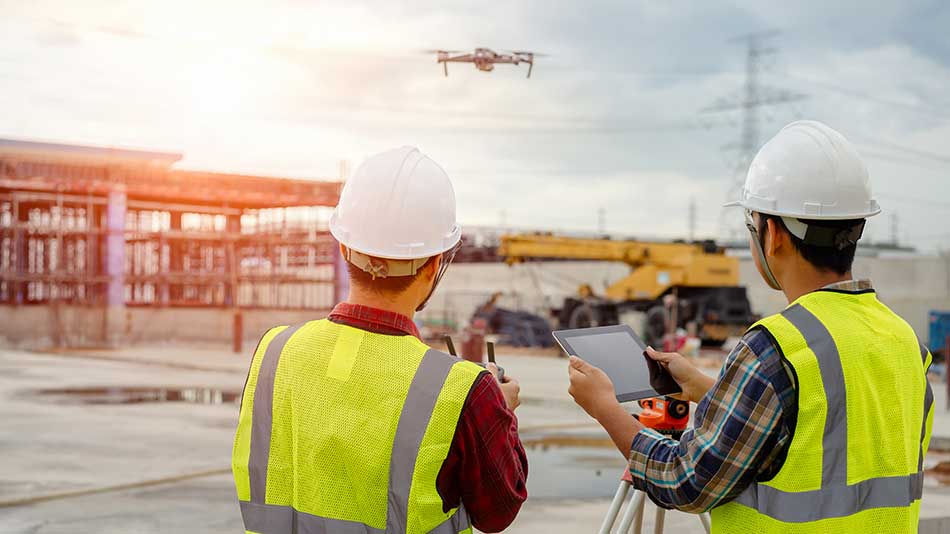
    Construction Drone Monitoring
    Project Managers Have Increasingly Adopted Drones for Construction Progress Monitoring

    The Role of Drones in Commercial Construction

    Drone technology has significantly impacted the construction industry, and its integration with existing software has revolutionized the way companies approach building projects. Here’s how drones contribute throughout various construction phases:

    Pre-construction Phase: Drones equipped with high-resolution cameras conduct aerial surveys and site inspections. This data is then fed into BIM software, aiding architects and engineers in creating accurate 3D models and improving initial designs.

    Active Construction Phase: Drones provide real-time monitoring of construction progress, enabling project managers to identify potential delays and streamline workflows. They also enhance job site safety by inspecting hard-to-reach areas without risking human lives.

    Post Construction Phase: Drones facilitate post-construction inspections, ensuring that the built structure aligns with the original design. Their ability to capture detailed imagery assists in creating as-built models for facility management and maintenance.

    Seamless Integration with Existing Software

    The true power of drones lies in their ability to seamlessly integrate with the software construction companies already use. Drone-captured data is effortlessly imported into BIM, project management, and estimating software, providing real-time updates and accurate information at every stage of the project. This integration ensures that construction teams work with the most current data, fostering collaboration and informed decision-making.

    In conclusion, the construction industry is embracing technology like never before. Software solutions have become a cornerstone of commercial building projects, streamlining operations, and promoting effective collaboration. However, the real game-changer has been the synergy between drones and construction software and integrating drone data with construction software is now a perfect match. The critical data captured by drones has breathed new life into pre-construction, active construction, and post-construction phases, propelling the industry into a new era of efficiency, safety, and excellence.

    From The Editor:

    Do you need to hire a professional drone service provider for your project?  To speak to an aerial data specialist, fill out a form, email us or for even faster response times, give us a call at (833) FLY-4YOU or (833) 359-4968.  Check out our transparent pricing at https://aerialdecisions.com/drone-photography-pricing/ and watch this space as we expand on the above topics and more over the coming weeks and months.  

    If you like this post, feel free to click the share button at the bottom of the page.  We appreciate you helping us by spreading the content we share on our blog.
  • Vertical Perspectives: Drones in High-Rise Construction

    Vertical Perspectives: Drones in High-Rise Construction

    Drones are popular in the construction industry, and for good reason. They are used for a variety of tasks, including façade inspections, concrete pour monitoring, and structural monitoring at height. This is especially valuable in urban high-rise building construction projects, where traditional methods of building inspection can be dangerous and time-consuming.  

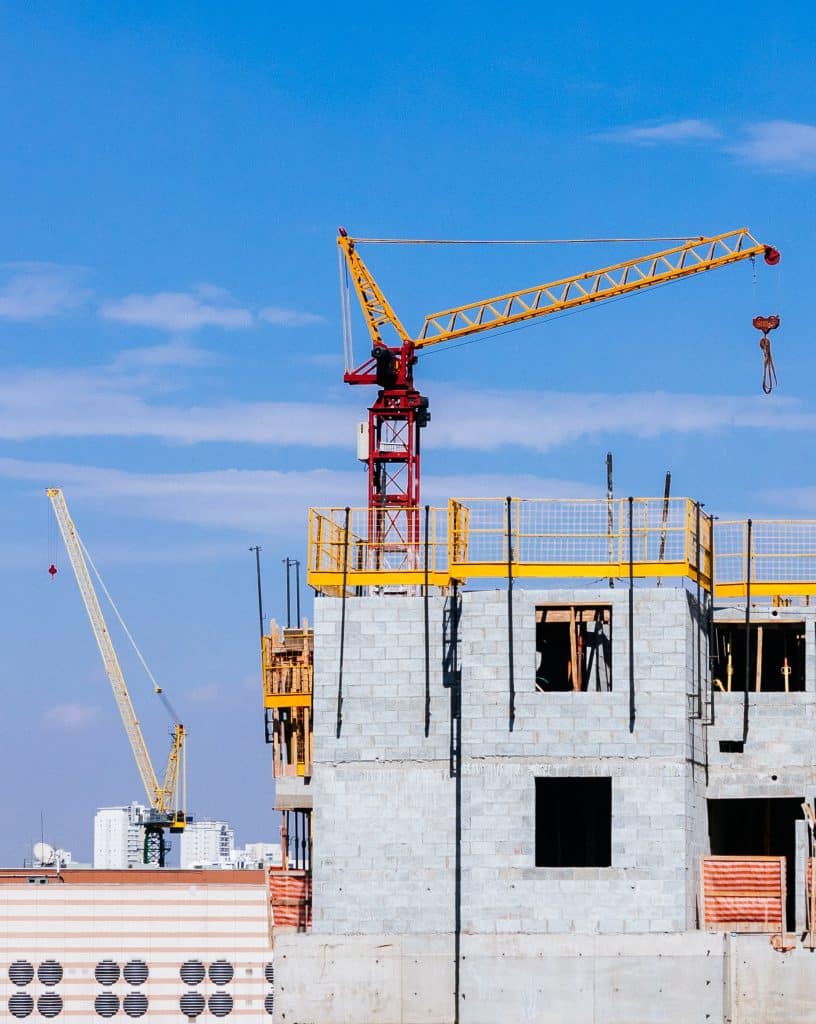
    Commercial Building Construction Roof Crane
    Rooftop cranes perform a variety of functions during commercial high rise construction

    Common Types of Traditional High Rise Inspections

    Visual inspections, where inspectors climb the building or use scaffolding to get a close-up look at the façade, roof, and other exterior surfaces are the most basic and most dangerous.  Magnified inspections use magnification such as binoculars to get a closer look at small details in hard to reach places.  While not necessarily dangerous, finer surface cracks and other facade imperfections are easily missed.  Non-destructive testing (NDT) uses a variety of techniques to inspect the building including ultrasonic testing, which uses sound waves to detect cracks and other defects, and infrared thermography, which uses heat imaging to detect areas of heat loss or gain. Remote visual inspection (RVI) uses cameras and other sensors to inspect the building from a distance. RVI is used to inspect areas that are difficult or dangerous to reach, such as the roof or the exterior walls.

    Unique Challenges of Urban High-Rise Construction

    Urban high-rise building construction projects present a number of unique challenges, including:

    Building Height: High-rise buildings can be hundreds of feet tall, making it difficult and dangerous to inspect them manually.

    Building Access: Access to high-rise buildings is generally restricted, making it difficult to get inspectors to the areas that need to be inspected.

    Weather Conditions: Urban areas can experience extreme weather conditions, such as high winds and rain, which can make manual inspections difficult and dangerous. Professional drone pilots are skilled at navigating complex weather situations. More importantly, FAA certified drone pilots know when bad weather precipitates postponing or abandoning a mission altogether.

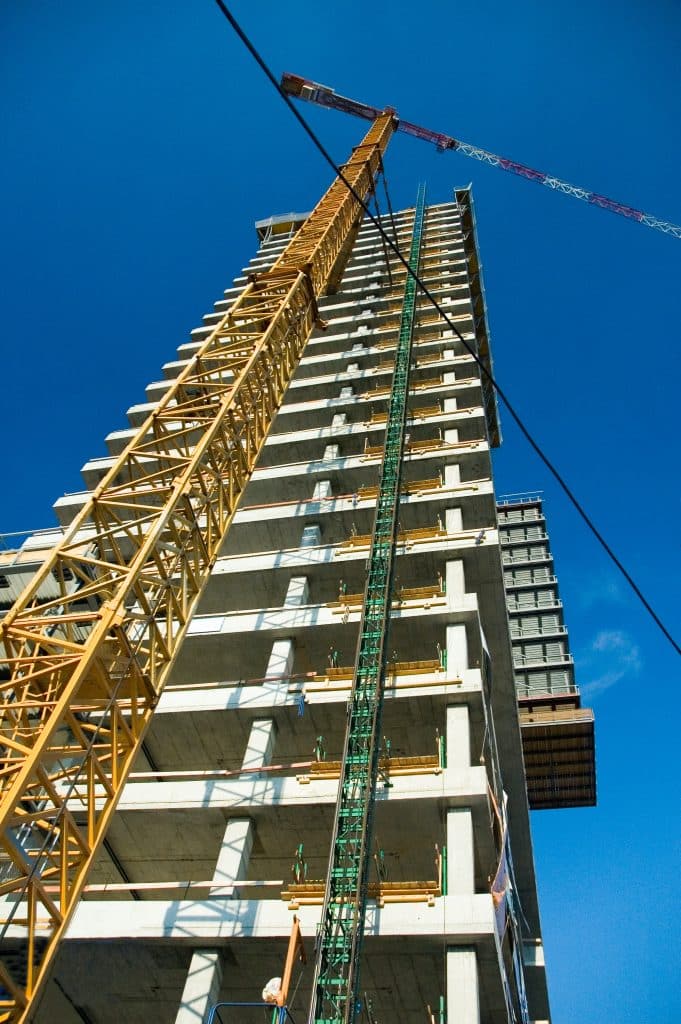
    Skyscraper Construction Project
    Commercial buildings employ a variety of equipment to facilitate all phases of a construction project

    How Drones Can Help

    Drones can overcome these challenges and provide a number of benefits for urban high-rise construction projects, including:

    Drone Safety: Drones inspect high-rise buildings without putting inspectors at risk.

    Data Collection Efficiency: Drones inspect high-rise buildings quickly and easily, saving time and money.

    Data Accuracy: Drones provide high-resolution images and videos of high-rise buildings used to identify potential problems.

    Project Documentation: Drones are used to create 3D models of high-rise buildings, which are used for planning and documentation purposes. The data is also used to keep key stakeholders engaged and involved in construction progress.

    Regulatory Considerations

    Before using drones for construction projects, it is important to be aware of the regulatory considerations and airspace restrictions. Drones are regulated by the Federal Aviation Administration (FAA). The FAA regulates drone pilots for commercial applications through a set of rules known as Part 107. Under Part 107, commercial drone pilots must obtain a Remote Pilot Certificate by passing an aeronautical knowledge test. This certificate allows pilots to operate drones for commercial purposes. The regulations outline requirements such as airspace restrictions, operational limitations, daylight-only operations, visual line of sight requirements, and the need to obtain proper authorization for certain activities, such as flying in controlled airspace. Compliance with these regulations ensures safe and responsible drone operations for commercial applications.

    Recent Case Studies

    There are a number of recent case studies that demonstrate the benefits of using drones in high-rise construction projects. For example, in 2018, a drone was used to inspect the façade of the Willis Tower in Chicago. The drone was able to identify a number of potential problems, including loose bricks and missing mortar. These problems were repaired before they caused any damage to the building.

    In another case study, a drone was used to monitor a concrete pour at a high-rise building in New York City. The drone was able to provide real-time footage of the pour, which allowed the construction team to identify any problems early on. This helps to ensure that the concrete pour is completed successfully.

    Conclusion

    Drones are a valuable tool for urban high-rise construction projects. They help to improve safety, efficiency, and accuracy. If you are considering using drones for your next high-rise construction project, it is important to work with a professional Drone Service Provider (DSP). A DSP will help you to comply with all of the regulatory requirements and ensure that your drone flights are safe and successful.

    Hiring a DSP

    Hiring a DSP to handle the highly technical aspects of drone data collection for urban high rise construction is a more efficient, safe and cost effective alternative to manual inspections that include deploying dangerous scaffolding, suspension supports and spider lifts.

    A DSP has the expertise and experience to fly drones safely and efficiently in urban environments.  There are unique considerations for each project including understanding controlled airspace, the impact of weather and wind at altitude, city permitting and traffic and crowd control at the buildings base to name a few.  They also have the necessary equipment and software to collect and process drone data. This will save time and money, and helps to ensure that your high-rise construction project is completed on time and within budget.

    From The Editor:

    Do you need to hire a professional drone service provider for your project?  To speak to an aerial data specialist, fill out a form, email us or for even faster response times, give us a call at (833) FLY-4YOU or (833) 359-4968.  Check out our transparent pricing at https://aerialdecisions.com/drone-photography-pricing/ and watch this space as we expand on the above topics and more over the coming weeks and months.  

    If you like this post, feel free to click the share button at the bottom of the page.  We appreciate you helping us by spreading the content we share on our blog.
  • Embracing Drone Tech in Commercial Building Construction

    Embracing Drone Tech in Commercial Building Construction

    In today’s rapidly evolving business landscape, innovation is the key to success. One such innovation that has revolutionized various industries, including commercial building construction, is drone technology. Drones offer tremendous potential to improve productivity, enhance internal and external communications, ensure worker safety, and maximize overall return on investment (ROI) for each construction project. 

    However, convincing internal teams to embrace this transformative technology requires a mindset change. In this blog post, we will explore the five key ways to effect a mindset change within your commercial building construction company and highlight the considerations that are crucial to the successful implementation of a drone monitoring program.

    Educate and Demonstrate the Benefits

    To convince internal teams of the value of drone technology, it is essential to educate them about its potential benefits. Provide clear examples and case studies that showcase how drones can improve productivity, streamline workflows, and deliver accurate data for informed decision-making. For example, your firms Purchasing Manager can utilize aerial data captured by a drone to quickly evaluate existing site material stockpiles so that replenishing needed supplies keeps projects on time and within budget.  Equipment theft is an unfortunate reality for construction GMs but drones are able to provide near-time aerial monitoring to minimize the risk of equipment loss.  Demonstrating the cost-effectiveness, time-saving capabilities, and improved quality assurance that drones bring to the construction process will help stakeholders understand the value of adopting drone technology.

    Co-Workers Engineering Business Solutions at an Internal Meeting
    Co-Workers Engineering Business Solutions at an Internal Meeting

    Address Concerns and Misconceptions

    Change often meets resistance due to fears and misconceptions. Addressing these concerns head-on is crucial to fostering a positive mindset shift. Common concerns may include job security, privacy, and the perceived complexity of implementing drone technology. Provide transparent and well-researched responses, emphasizing the fact that drones are tools that enhance human capabilities rather than replacing them. 

    One notable historical reference that illustrates concerns about new tools potentially replacing jobs is the Industrial Revolution in the 18th and 19th centuries and the 19th century British Luddites. During this transformative period, significant advancements in machinery and automation revolutionized various industries, particularly in manufacturing and textiles.  Luddite workers were concerned about, among other things, job security.  In the end, while some jobs were impacted, the Industrial Revolution also created new employment opportunities and ultimately led to overall economic growth and higher living standards.  

    Assure employees that proper guidelines and regulations are in place to protect privacy and security.

    People at a business meeting in agreement
    Internal Teams Working Together Creates the Opportunity for Better Business Outcomes

    Foster Collaboration and Training

    To effectively adopt drone technology, collaboration across departments and training programs are vital. Encourage cross-functional teams to work together to understand the specific requirements and opportunities drones can provide. Create training programs to ensure employees feel confident and empowered when using this technology. By involving employees in the decision-making process and providing them with the necessary skills, you can build a sense of ownership and enthusiasm for drone integration.

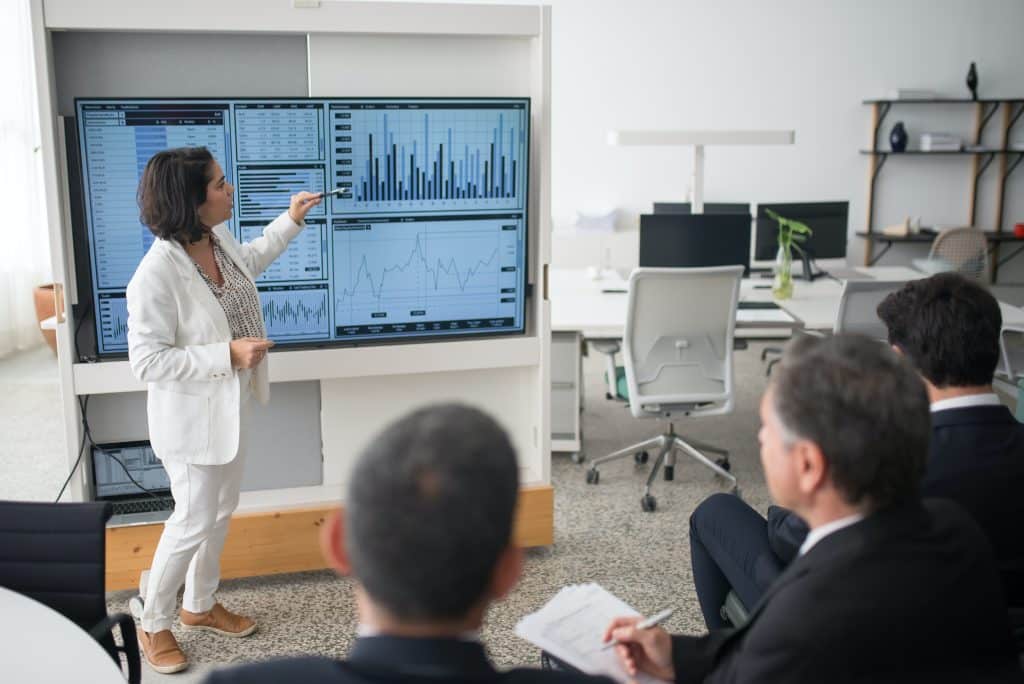
    Staff Member Presenting to Internal Business Teams
    Staff Member Presenting to Internal Business Teams

    Showcase Success Stories

    One of the most powerful ways to effect a mindset change is by showcasing success stories from within the industry. Highlight how other commercial building construction companies have successfully implemented drone technology and reaped the rewards. Share testimonials, construction drone use case studies, and ROI analyses to inspire your internal teams and demonstrate that embracing drones is not just a trend but a proven strategy for growth and efficiency.

    Continuously Adapt and Improve

    Lastly, fostering a mindset change requires an ongoing commitment to adapt and improve. Encourage feedback and suggestions from your teams as they begin to utilize drone technology. Actively listen to their experiences and concerns and incorporate their insights into the implementation process. This iterative approach will not only address any challenges but also enhance the credibility and effectiveness of the technology, creating a culture of continuous improvement.

    The construction industry is poised to embrace the transformative power of drone technology. By effecting a mindset change within your commercial building construction company, you can unlock a multitude of benefits, including improved productivity, enhanced internal and external communications, increased worker safety, and a significant boost to overall company ROI. By educating, addressing concerns, fostering collaboration, showcasing success stories, and committing to continuous improvement, you can pave the way for a successful integration of drones into your organization’s operations. Embrace the potential of drone technology and take your commercial building construction company to new heights.

    From The Editor

    Do you need to hire a professional drone service provider for your project?  To speak to an aerial data specialist, fill out a form, email us or for even faster response times, give us a call at (833) FLY-4YOU or (833) 359-4968.  Check out our transparent pricing at Drone Photography pricing and watch this space as we expand on the above topics and more over the coming weeks and months.  

    If you like this post, feel free to click the share button at the bottom of the page.  We appreciate you helping us by spreading the content we share on our blog.

  • Top 5 Technologies for Construction Project Managers

    Top 5 Technologies for Construction Project Managers

    As the CEO of a drone data collection company, my goal is to look for ways to leverage emerging technologies that help commercial construction companies complete their projects on time and on budget. To achieve this, we rely on several technologies that enable us to collect, analyze, and share data with our clients efficiently. In this blog post, I will discuss the top five technologies that we use to accomplish our goals.

    Commercial Building Construction
    Commercial building construction

    Top 5 Technologies for Construction Project Managers

    Drones

    You guessed it, Drones.  Otherwise known as sUAS, Small Unmanned Aircraft Systems are the primary technology that we use to collect data for construction projects. Drones allow us to capture high-resolution aerial imagery and 3D models of job sites quickly and safely. This technology helps us to identify potential issues and track progress throughout the construction process, allowing us to make adjustments in real-time.  Drones can also cover a large area in a short amount of time, providing construction managers with a quick and efficient way to monitor progress. This saves time and allows construction managers to focus on other important tasks.

    Drone Data Software

    There are several drone data software options available, including Drone Deploy, Pix4D, Propeller, and Agisoft Metashape. Each of these software options has its own unique features, advantages, and disadvantages. For example, Drone Deploy offers a user-friendly interface and integrates with several other software options. Pix4D provides a more advanced photogrammetry solution and is best suited for large-scale projects. Propeller offers a cloud-based platform that allows for easy collaboration and sharing of data. Agisoft Metashape is a powerful solution that offers high-precision data processing and is best suited for complex projects. Regardless of the software option, drone data software enables us to process and analyze the data collected by our drones quickly and accurately, making it easier to identify potential issues and track progress.

    Geographic Information System (GIS)

    GIS technology allows us to overlay drone data on top of maps, creating a visual representation of the construction site. This technology enables us to identify potential issues and track progress in real-time. GIS also allows us to share data with our clients more efficiently, enabling them to make informed decisions about their projects.

    Machine Learning

    Machine learning technology allows us to analyze large amounts of data quickly and accurately. This technology enables us to identify patterns and trends in the data, making it easier to identify potential issues and track progress. Machine learning also enables us to make more accurate predictions about project timelines and budgets, ensuring that our clients’ projects are completed on time and on budget.

    3D Orthomosaic for Drone Construction Monitoring
    3D Orthomosaic for Drone Construction Monitoring

    Augmented Reality (AR)

    AR technology enables us to create immersive, 3D simulations of construction projects. This technology allows us to visualize the project before it is built, making it easier to identify potential issues and make changes. AR also enables us to communicate more effectively with our clients, ensuring that everyone is on the same page throughout the project.

    In conclusion, I believe that technology plays a crucial role in helping commercial construction companies complete their projects on time and on budget. By utilizing drones, drone data software, GIS, machine learning, and AR, drone service providers like Aerial Decisions can help improve on construction project efficiencies, reduce waste, and deliver construction project data that meet our clients’ needs. I am excited to continue to explore new technologies as they emerge and to use them to help our clients succeed in the future. As construction project managers, what technologies do you use to help you get your projects completed on time and on budget?

    From The Editor:

    Do you need to hire a professional drone service provider?  To speak to an aerial data specialist, fill out a form, email us or for even faster response times, give us a call at (833) FLY-4YOU or (833) 359-4968.  Check out our transparent pricing at Drone Photography Pricing and watch this space as we expand on the above topics and more over the coming weeks and months.  If you like this post, feel free to click the share button at the bottom of the page.  We appreciate you helping us by spreading the content we share on our blog.

  • Why Infrastructure Projects Need to Include Drone Monitoring

    Why Infrastructure Projects Need to Include Drone Monitoring

    As long as I’ve been in the drone tech industry, the most common discussion of where the biggest growth sector in drone applications has been in the construction space.  Most consider top of mind commercial, industrial and even residential construction.  But if you dig a little deeper, you’ll see that an often overlooked sector of the construction industry lies at the heart of the most significant growth area in the near term; construction and infrastructure projects.

    Why is that?

    The recent Infrastructure Investment and Jobs Act, signed into law in November 2021, includes $1.2 trillion in funding for critical infrastructure projects over the next decade. 

    This funding is expected to accelerate the adoption of drone technology in state government infrastructure programs. According to a recent report by Drone Industry Insights, the global infrastructure inspection market is projected to grow at a CAGR of 21.5% from 2020 to 2027.  In recent years, drone technology has seen rapid development and widespread adoption in many industries. 

    State government infrastructure programs are at the top of that list. Drones offer unique capabilities that can help with planning, design, and maintenance of critical infrastructure projects. 

    In this blog post, I will share 4 key reasons for using drone technology to aid state government infrastructure programs and how the recent Infrastructure Investment and Jobs Act and federal funding is impacting the progress of critical infrastructure programs.

    Image of Road Work X
    drone monitoring for road infrastructure projects

    Surveying and Mapping 

    Drones can quickly and accurately survey and map large areas of land, including difficult-to-reach areas such as mountainous terrain, forests, and wetlands. This technology can be used to gather data for various infrastructure projects, such as highways, bridges, and pipelines. According to a recent study by ResearchAndMarkets, the global drone surveying market is projected to grow at a CAGR of 35.2% from 2021 to 2026.

    Image of Construction Monitoring X
    drone monitoring for infrastructure projects

    Construction Monitoring 

    Drones can be used to monitor construction sites, track progress, and detect potential safety hazards. This technology can help improve construction efficiency, reduce costs, and increase safety. According to a recent report by DroneDeploy, drone use in construction increased by 239% in 2020 compared to the previous year.

    Image of Bridge In Disrepair X
    Bridge infrastructure construction inspections with drones

    Inspections

    Drones can perform inspections of critical infrastructure, such as bridges, dams, and power lines, without the need for costly and dangerous manual inspections. This technology can help identify potential safety issues before they become critical and prevent downtime due to unexpected failures. According to a recent report by Markets and Markets, the global drone inspection market is projected to grow at a CAGR of 23.6% from 2021 to 2026.

    Environmental Monitoring 

    Drones can be used to monitor environmental conditions, such as water quality and air pollution, in remote areas. This technology can help government agencies identify and mitigate environmental risks, such as oil spills and chemical leaks. According to a recent report by MarketsandMarkets, the global drone environmental monitoring market is projected to grow at a CAGR of 11.4% from 2021 to 2026.

    In conclusion, drone technology has significant potential to aid state government infrastructure programs. From surveying and mapping to construction progress monitoring, drones can help government agencies improve efficiency, reduce costs, increase safety, and mitigate environmental risks. As I mentioned above, the recent Infrastructure Investment and Jobs Act and federal funding are expected to drive growth in this market sector, which is projected to grow at a significant rate over the next decade.

    From The Editor:

    Do you need to hire a professional drone service provider?  To speak to an aerial data specialist, fill out a form, email us or for even faster response times, give us a call at (833) FLY-4YOU or (833) 359-4968.  Check out our transparent pricing at Drone Photography Pricing and watch this space as we expand on the above topics and more over the coming weeks and months.  If you like this post, feel free to click the share button at the bottom of the page.  We appreciate you helping us by spreading the content we share on our blog.
  • Up in the Air: The Key Statistics on Drones in Construction

    Up in the Air: The Key Statistics on Drones in Construction

    Drones are quickly becoming a staple in the construction industry. They are increasingly being used for a wide range of tasks, including surveying, mapping, and progress monitoring. And the key statistics show that drone adoption in construction is on the rise. Let’s take a closer look at the statistics.

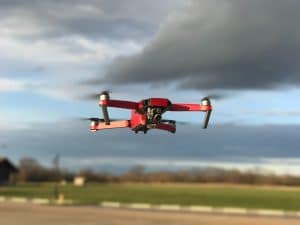
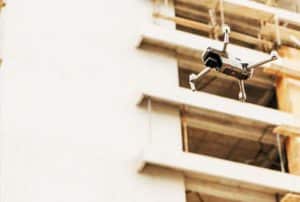
    Image of Mavic X
    Drones in Construction

    According to various market reports and studies, the use of drones in the construction industry is on the rise and is expected to continue growing in the coming years. Here are some key market statistics on the use of drones in construction:

    1. Market size: The global construction drone market size was valued at $1.12 billion in 2020 and is expected to reach $2.82 billion by 2026, growing at a compound annual growth rate of 17.1% during the forecast period.
    2. Increased adoption: The adoption of drones in the construction industry has increased significantly in recent years. In 2020, more than 50% of construction companies in the US were reported to be using drones for construction project monitoring.
    3. Time and cost savings: The use of drones in construction has been shown to save time and reduce costs. For example, construction companies that use drones for progress monitoring have reported a reduction in project time by up to 20%.
    4. Improved safety: The use of drones has improved safety on construction sites by reducing the need for workers to access hazardous areas or perform dangerous tasks.
    5. High-quality data: Drones are equipped with high-quality cameras and sensors that provide detailed images and data of construction sites. This data can be used to make informed decisions and improve the accuracy of construction projects.

    Overall, the use of drones in the construction industry is growing rapidly and is providing significant benefits to construction companies in terms of time and cost savings, improved safety, and high-quality data. Statistics show the expectation is the use of drones in construction will continue to grow as technology advances and construction companies continue to realize the benefits of this innovative technology.  If your company is looking to leverage the latest drone technology to get your projects completed on time and within budget, call us for a free consultation today.

    From The Editor:

    Do you need to hire a professional drone service provider?  To speak to an aerial data specialist, fill out a form, email us or for even faster response times, give us a call at (833) FLY-4YOU or (833) 359-4968.  Check out our transparent pricing at Drone Photography Pricing and watch this space as we expand on the above topics and more over the coming weeks and months.  If you like this post, feel free to click the share button at the bottom of the page.  We appreciate you helping us by spreading the content we share on our blog.
  • The Construction Revolution: The Impact of Drones on Project Monitoring

    The Construction Revolution: The Impact of Drones on Project Monitoring

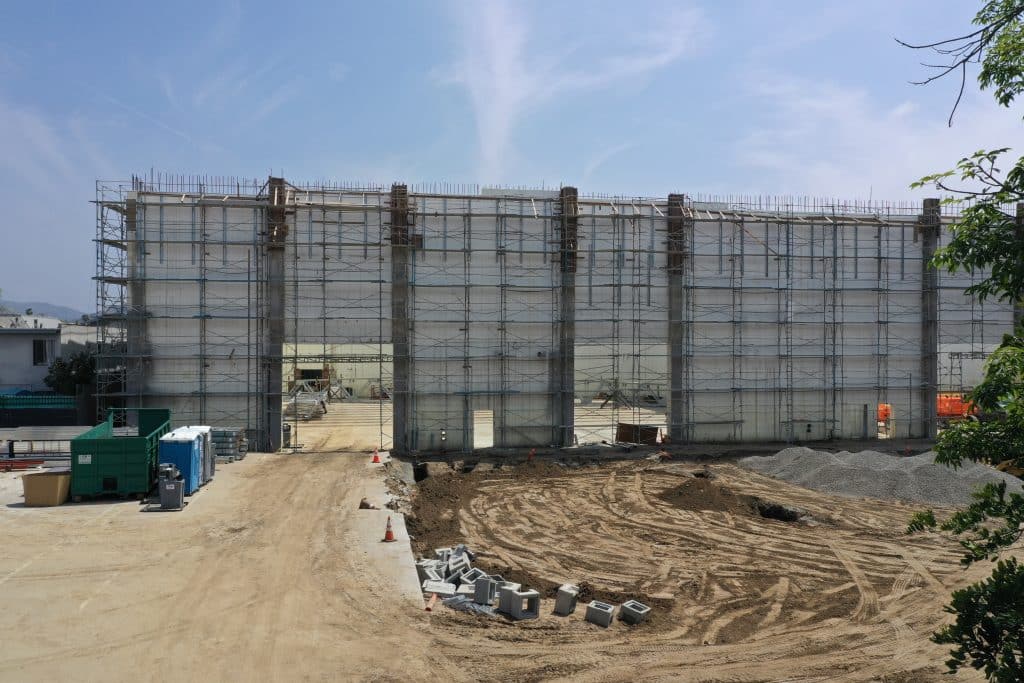
    As construction executives, it’s important to stay ahead of the curve and utilize new technologies that can save time and money on construction projects. One such technology is the use of drones to monitor construction progress.

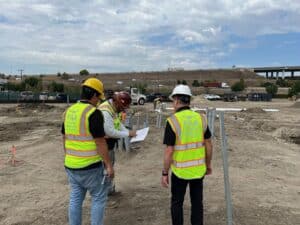
    Image of Construction Management Crew X
    Construction Crew Site Walk-Through

    In the past, construction managers would have to physically visit a construction site to inspect the progress and take photos or videos. This process was not only time-consuming but also expensive, as it required transportation costs and the cost of having someone present at the site.

    A recent study found that drone usage has been steadily on the rise. Currently, drones are being utilized on 55% of projects, up from 48% in 2021 and 36% in 2022.  According to Dodge, usage is higher among large contractors (67%) compared with small contractors (9%).

    By using drones, construction managers can now remotely monitor construction sites in real-time and receive high-quality photos and videos of the progress. This has several benefits, including the following:

    • Increased Efficiency: Drones can cover a large area in a short amount of time, providing construction managers with a quick and efficient way to monitor progress. This saves time and allows construction managers to focus on other important tasks.
    • Reduced Labor Costs: With drones, there’s no need to have someone physically present at the site to inspect the progress. This reduces labor costs and makes the process more cost-effective.
    • Improved Safety: Drones can be flown over hazardous areas, reducing the risk of injury to construction workers. They can also be used to inspect tall structures, reducing the need for workers to climb up and inspect them.
    • Increased Accuracy: Drones are equipped with high-quality cameras and can provide detailed images and videos of the construction site. This allows construction managers to identify any issues and make necessary changes in real-time, resulting in more accurate and efficient construction.
    • Time Savings: With the ability to remotely monitor construction sites, construction managers can save time by not having to physically visit the site. They can also quickly receive and review progress reports, allowing them to make informed decisions and keep the project on track.

    In conclusion, the construction revolution is in full swing and the impact of drones on project monitoring and management is un-mistakable.  It’s clear, using drones to monitor construction progress is a cost-effective and efficient solution that can help construction executives save time and money. With the ability to remotely monitor construction sites, reduce labor costs, improve safety, increase accuracy, and save time, it’s clear that drones are a valuable tool for the construction industry.

    From The Editor:

    Do you need to hire a professional drone service provider?  To speak to an aerial data specialist, fill out a form, email us or for even faster response times, give us a call at (833) FLY-4YOU or (833) 359-4968.  Check out our transparent pricing at Drone Photography Pricing  and watch this space as we expand on the above topics and more over the coming weeks and months.  If you like this post, feel free to click the share button at the bottom of the page.  We appreciate you helping us by spreading the content we share on our blog.
  • How Drones Can Solve Several Construction Industry Challenges

    How Drones Can Solve Several Construction Industry Challenges

    The construction industry involves the building, maintenance, and improvement of infrastructure and buildings. This includes a wide range of activities, such as residential and commercial construction, road and bridge building, and utility work.

    There are several challenges that the construction industry faces, including:

    1. Cost and budget management: Construction projects often have strict budgets and timelines, and any delays or cost overruns can have significant financial implications.
    2. Safety: The construction industry has a high rate of workplace injuries and fatalities. Ensuring the safety of workers is a top priority.
    3. Productivity: Construction projects can be complex, with many different stakeholders and variables involved. Maintaining productivity and efficiency is crucial to ensure that projects are completed on time and within budget.

    Several other challenges, including, skilled labor shortages, environmental concerns and the rapid technological advancements are prominent but in this post, I want to focus on how drone technology can help the top 3 on the above list.

    Image of Img X
    Drone pilot working with site GM to solve construction project challenges.

    Here are my Top 5 ways drone technology can solve challenges the construction industry faces today:

    Construction Monitoring

    Drones provide a cost-effective way to manage critical functions for Contractors and Construction Firms. Drones can produce high-resolution, on-demand, aerial photography of important project elements such as monitoring subcontractors, stockpile management, materials, equipment, and site security.

    Construction Surveying

    The use of drones in construction surveying has become commonplace in today’s building landscape. Where older surveying technologies fell short in terms of production turn-around, cost, and accuracy, photogrammetry has been a game-changer in each of these areas.

    Construction Progress Reporting

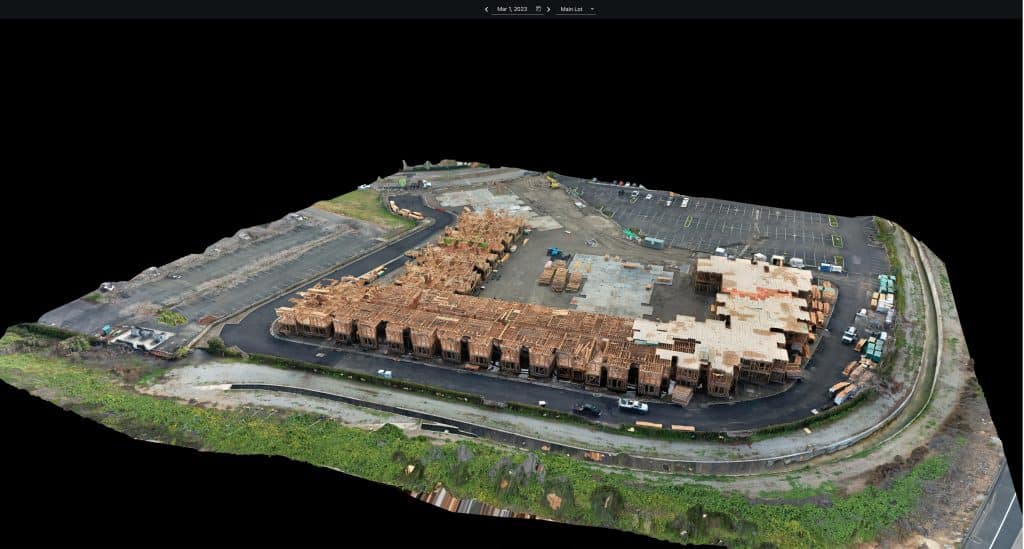
    Key stakeholders (i.e.., Investors) can be visually connected to project progress in new and innovative ways. The programmatic use of drones to produce high-quality aerial images and video enables near real-time inspection of all aspects of the project. Images can be easily rendered in 3D models, orthomosaic maps, and other photogrammetry data to monitor site progress.

    Construction Inventory Management

    One of the most basic functions for a contractor is inventory management. Aerial photography of a job site provides actionable data for contractors to assess and respond to critical inventory needs.  Drones transform the risky, labor-intensive and time-consuming job of manual inventory counts and volumetric assessments into timely and cost-effective tasks.

    Construction Structural Site Integrity

    Assessing structural vulnerabilities is a key job function of the project General Contractor. Key stakeholders are acutely attuned to the notion of minimizing the risk associated with potential structural defects. The use of drones to identify such defects helps to mitigate potential lawsuits and other aspects that could create costly delays in project completion.

    It’s clear drones have the potential to solve several construction industry challenges and make project deliverables more efficient, safe, and cost-effective.  

    From The Editor:

    Do you need to hire a professional drone service provider?  To speak to an aerial data specialist, fill out a form, email us or for even faster response times, give us a call at (833) FLY-4YOU or (833) 359-4968.  Check out our transparent pricing at Drone Photography Pricing and watch this space as we expand on the above topics and more over the coming weeks and months.  If you like this post, feel free to click the share button at the bottom of the page.  We appreciate you helping us by spreading the content we share on our blog.
  • 4 Ways Drones Impact the Construction Industry

    4 Ways Drones Impact the Construction Industry

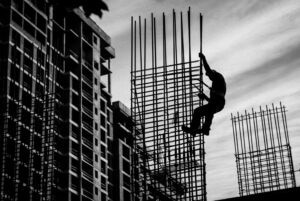
    Worker Safety

    Image of Construction Worker Safety X
    Construction Safety is a Priority

    • There were 1,102 work-related fatalities in the construction industry in 2019.  The most important asset in every company is the people they have working for them.  Losing a valuable member of a team can lead to decreased morale, concerns about safety, coworkers quitting because of concerns with safety and a huge financial impact of possible lawsuits and replacing valuable members of your team.
    • Drones in construction can help reduce the risk of accidents and increase the level of safety and accountability around a construction site.  Drones can be used to photograph, map and 3D model a construction site to help monitor potential hazards and identify equipment in hazard locations.
    • A key safety element of using drones is the operators themselves.  Drone teams consist of licensed and insured pilots as well as skilled visual observers.  Together, drone pilot led teams help to minimize cost, increase safety and reduce the overall time to convey critical real-time data.

    Saving Money

    Image of Insure Inspect
    Drone Building Facade Inspection

    • Drones can save a construction company millions of dollars on a construction site through multiple drone use cases.  These include site photos, 2D orthophotos and 3D models, LIDAR Maps, time-lapse videos, promotional videos, visual timelines.  These can all be done at a fraction of the cost just 10 years ago, thanks to the extensive array of tools drones can carry to help the construction industry.
    • Construction companies have found that a 2 –3-week process and several tens of thousands of dollars cost has become a 1 day process when working with a licensed and certified drone service provider.  When you’re looking at dramatic 75 percent or greater cost and time improvement, it’s really powerful,” said Hunter Cole, Brasfield and Gorrie General Contractors.

    Improvement to Infrastructure

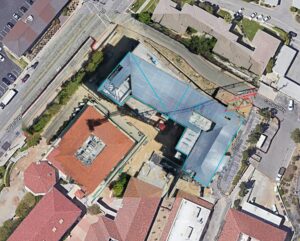
    Image of Glendale College Construction Orthorectified X
    An orthomosaic is a great way to capture close to real time construction progress updates

    • When civil engineers are tasked with improving the value and infrastructure of a certain property, they need to survey the property several times.  This is where drones can help by surveying the land quickly and precisely and at a much lower cost than traditional surveying techniques.
    • When construction companies look at large projects that are floated by government organizations of public institutions, using drones to survey and understand the complexities beforehand can provide intelligence that can help create and submit the most comprehensive and competitive bid.

    Audits and Inspections

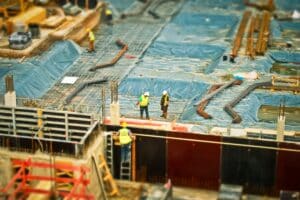
    Image of Construction Evaluation X
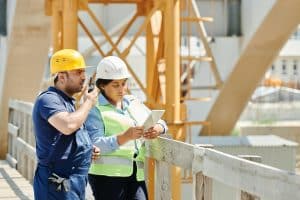
    Construction Workers Face Dangerous Situations

    • Drones are unique in where they can be operated with or without human interaction.  Drones can be operated by humans when they need to help with audits – where a qualified drone inspector or professional can survey the land or property as per guidelines, standards or requirements set out by a governing body.
    • Drones can also be programed to fly from a sheltered home-base and fly the same routes, the same time of day or week.  This can help to make sure that the property isn’t being tampered with and that the project is progressing to scope.  This can save a construction company hundreds of thousands of dollars, especially in reduced theft, phase audits and work certification costs.
    • In summary, construction companies have been using drones for construction progress monitoring, planning and marketing for years now, but with continued advancement in drone capabilities, the impact of drones to the construction industry continue to streamline time and cost as well as worker safety issues factors.

    We’d love to hear your thoughts on matters pertaining to the safe, professional, and ethical operation of drones. Please check our website at  and watch this space as we expand on the above topics and more over the coming weeks and months.  If you like this post, feel free to click the share button at the top of the page.  We appreciate you helping us by spreading the content we share on our blog.