Category: Construction Progress Monitoring

  • How Drones and Reality Data Capture are Transforming Construction Projects

    How Drones and Reality Data Capture are Transforming Construction Projects

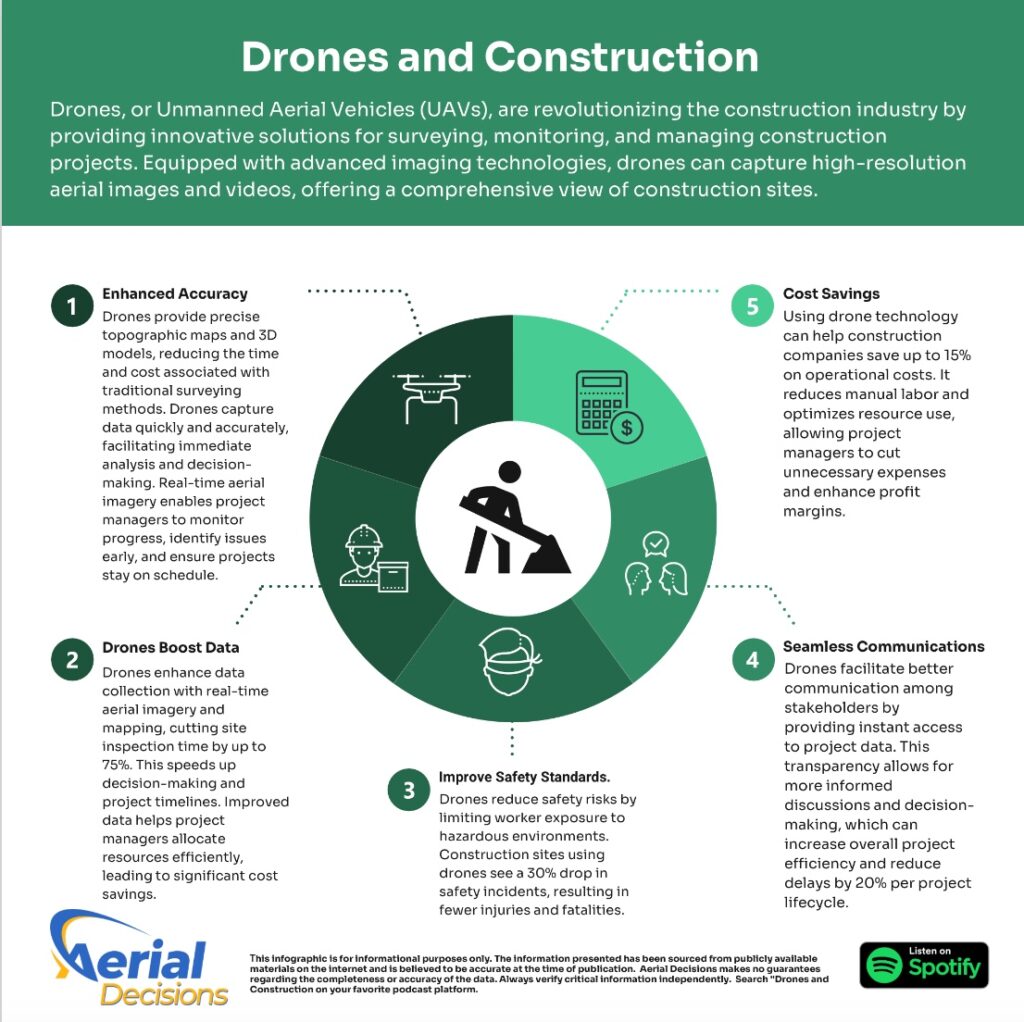
    As a Drone Service Provider (DSP) focused on the construction industry, we’ve witnessed how drone reality data capture technology is transforming how we approach our clients critical construction projects. From pre-bid site analysis to final closeout inspections, reality capture technologies are collectively streamlining project workflows, enhancing safety, and providing deeper insights throughout each phase of construction. It still surprises me how often I hear industry professionals talk about drones in the limited scope of providing pretty pictures and videos. Nothing could be further from the truth.

    In this post, we explore how drones and reality capture technology are being used during the Pre-Bid & Pre-Construction phase, the active Construction phase, and the Inspection & Closeout phase.

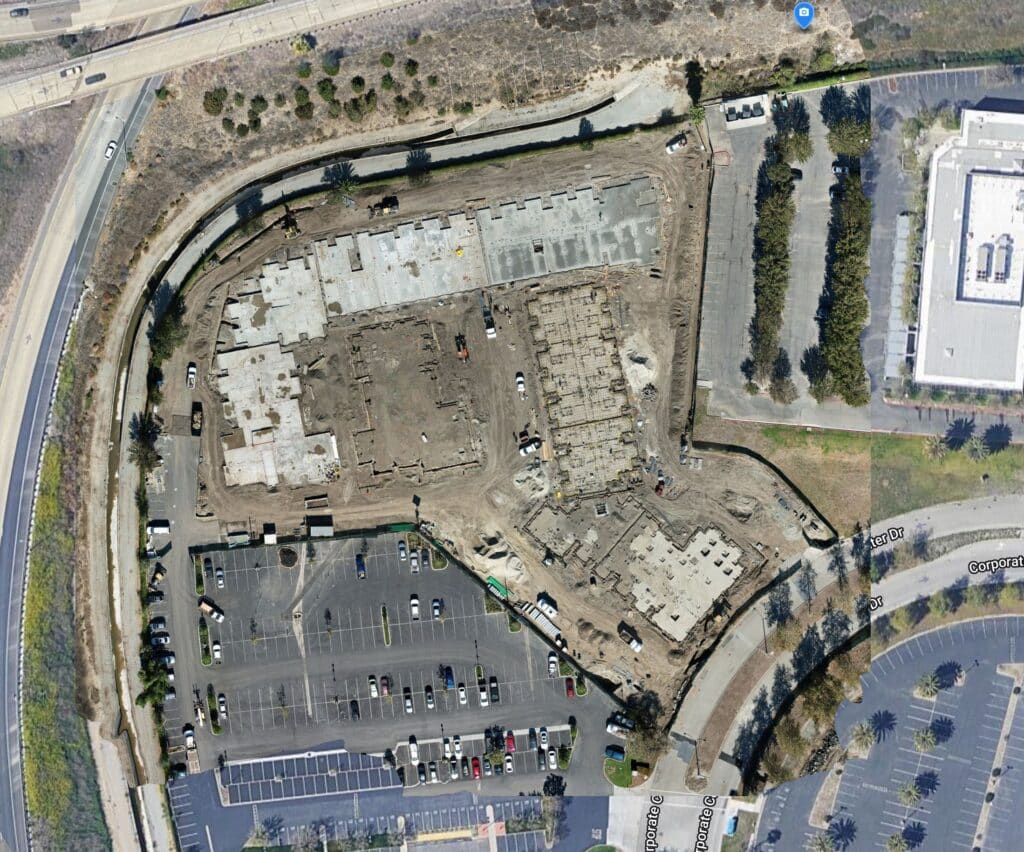
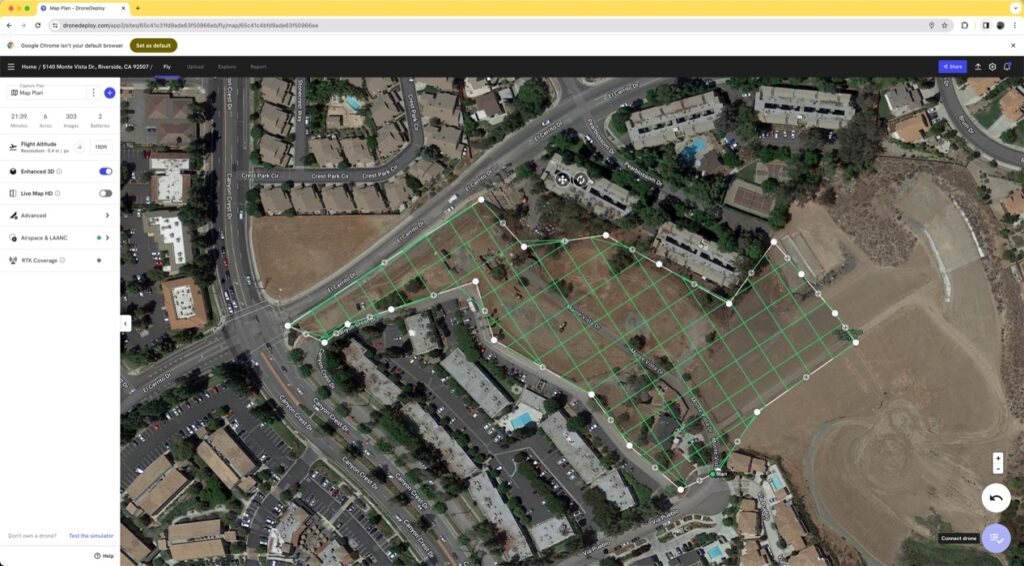
    Flight plan boundaries defined by mapping software
    Flight plan boundaries defined by mapping software

    Pre-Bid & Pre-Construction Phase

    Surveying and Concept & Design
    In the early stages of a project, having accurate and detailed site information is crucial for developing a reliable design. With aerial reality data capture, drones generate high-resolution topographic maps and 3D models that give construction teams an in-depth understanding of site conditions. These data help architects and engineers refine their designs early on, reducing the likelihood of costly revisions later.

    360 Reality Capture for Pre-Construction Planning
    Adding 360 reality capture to the pre-construction phase brings even more clarity to the planning process. By combining aerial drone surveys with 360 walkthroughs, stakeholders can virtually explore the entire site in an immersive, high-resolution format. This is especially useful for off-site team members, enabling them to inspect and interact with the site remotely. These virtual site visits allow for more informed decision-making during the bidding and design phases, while also helping construction managers anticipate potential challenges.

    Site Planning and Procurement
    In addition to design, accurate site data aids in efficient site planning and resource procurement. With real-time aerial data, construction teams can plan for infrastructure placement (e.g., utilities, drainage systems) based on the actual terrain. This information is also valuable for procurement teams, ensuring they order the right quantities of materials based on current site conditions. 360 reality capture offers another layer of transparency here, allowing procurement teams and project managers to virtually inspect site logistics and visualize how equipment and resources are deployed.

    Commercial construction project with floor plan layer
    Commercial construction project with floor plan layer

    Construction Phase

    Earthworks: Cut/Fill Analysis and Stockpile Measurements
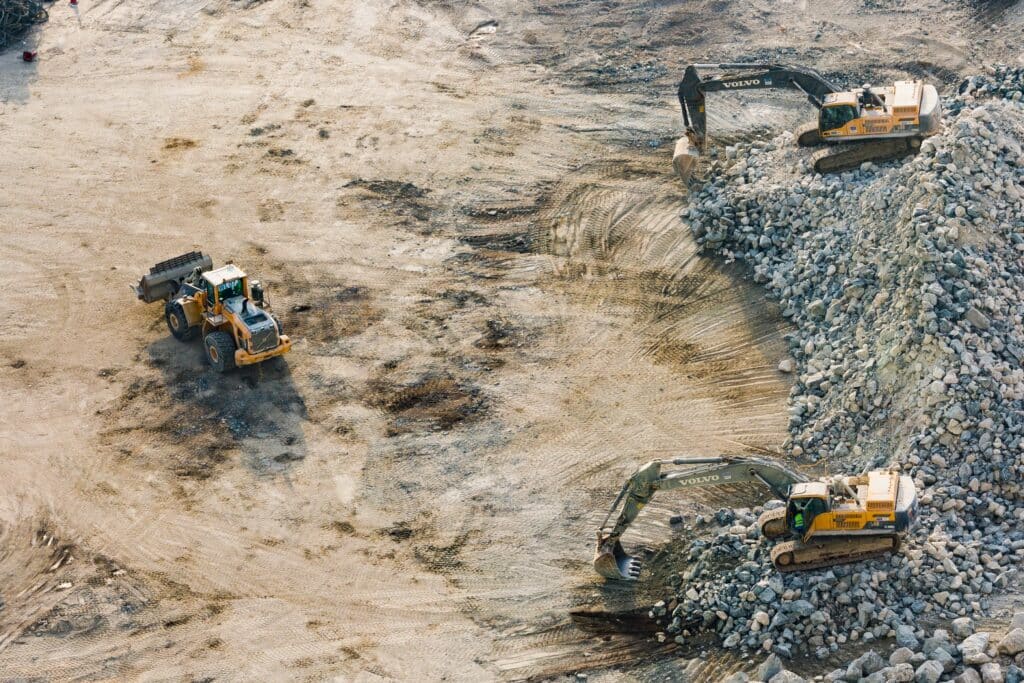
    During the construction phase, drones are instrumental in managing earthworks. They perform cut/fill analysis quickly and with high precision, helping your team optimize earthmoving operations. Drones also assist in stockpile measurements, providing real-time data on material availability and consumption, which helps manage resources more effectively and prevents costly delays.

    Tracking Site Progress: As-Designed vs. As-Built
    Drones provide an easy and efficient way to monitor site progress, capturing aerial imagery and data at regular intervals. This allows project managers to compare as-built conditions with the original design, ensuring that the project stays on track and meets specifications. Drone data allows for early detection of deviations which prevents rework and helps you stay on schedule.

    360 Walkthroughs for Site Inspections (Exterior and Interior)
    Beyond aerial data, 360 reality capture offers an immersive experience that is extremely valuable for both exterior and interior site inspections. A 360-degree walkthrough allows team members and clients to virtually “walk” through the site at any time, offering a clear view of construction progress. This is particularly useful for off-site stakeholders who need to stay updated but cannot physically visit the project. These walkthroughs also serve as visual documentation for safety, quality control, and project updates, capturing every detail from various angles.

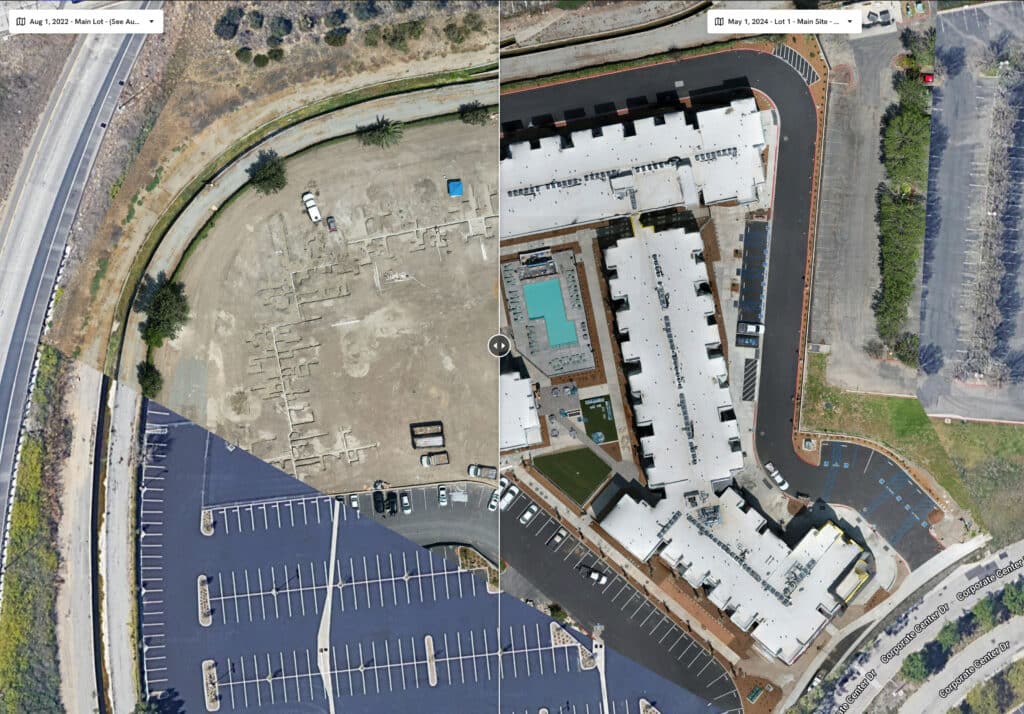
    Construction site before and after image
    Drone processing software provides time-based site progress comparisons.

    Inspection and Closeout Phase

    Drone Façade Inspections
    In the final stages of construction, inspections become critical to ensuring that all work meets quality standards. Traditionally, façade inspections—especially for tall or hard-to-reach areas—required scaffolding or other heavy equipment. Now, drones equipped with high-resolution cameras can conduct façade inspections more safely and efficiently. Drones capture detailed imagery of exterior surfaces, identifying any defects like cracks, leaks, or structural issues before project closeout.

    360 Reality Capture for Closeout and Inspections
    At the closeout phase, 360 walkthroughs provide an interactive record of the completed project. This is incredibly valuable for final inspections, as it allows stakeholders to review both exterior and interior spaces in detail without being on-site. This virtual documentation also aids in handing over the project to the client, ensuring that they have a comprehensive visual record of the completed work.

    Thermal Imaging for HVAC and Building Inspections
    Drones equipped with thermal imaging cameras are essential for inspecting HVAC systems and detecting heat loss or insulation issues. Thermal imaging ensures that the building is energy-efficient and that there are no hidden defects, such as leaks or poorly installed insulation, that could lead to costly repairs down the line.

    Documentation: 3D As-Builts and Digital Assets
    For closeout documentation, drones provide accurate 3D as-builts that serve as a permanent record of the completed structure. These models are invaluable for future renovations, facility management, and legal documentation. Additionally, 360 walkthroughs are used as digital assets for marketing purposes, which helps you showcase the finished project to future clients or in portfolio presentations.

    Liability Management and Warranty Fulfillment
    Another critical use case for drones and 360 reality capture is liability management. By providing high-resolution documentation of the completed project, you’ll have the necessary evidence to protect your company from insurance claims or disputes that might arise post-construction. This detailed documentation is also crucial for fulfilling warranties, ensuring that you have proof of the project’s condition at the time of handover.

    Summary of Benefits

    By combining the power of aerial reality data capture and 360 walkthrough technology, construction companies can gain significant advantages throughout every phase of the construction lifecycle. From precise surveying and virtual site visits during Pre-Bid & Pre-Construction, to monitoring site progress and streamlining inspections during the Construction phase, these technologies improve efficiency, reduce costs, and provide stakeholders with more transparency and control. Finally, during the Inspection and Closeout phase, drones and 360 walkthroughs ensure comprehensive documentation, helping manage liabilities and ensure warranty compliance.

    What Next?

    If you’re ready to integrate aerial reality data capture and 360 walkthroughs into your construction workflows, reach out to us at Aerial Decisions. We specialize in providing drone and 360 reality capture solutions tailored to your project’s needs. Contact one of our construction sales executives today to set up a free consultation and learn how these technologies can take your projects to the next level.

    About Aerial Decisions

    Aerial Decisions is a Los Angeles-based Drone Services Provider (DSP).  We specialize in providing cutting-edge drone data collection combined with industry leading software solutions tailored for the commercial construction industry. Our mission is to optimize the way enterprise construction projects are managed by offering precise aerial photography, detailed data analysis, and innovative software tools through a network of FAA-certified and insured drone pilots.  Aerial Decisions is not just a drone service provider; we are your strategic partner in commercial construction. Our hands-on approach to understanding your unique requirements and our dedication to excellence ensures that every flight and every data point is optimized for your success. Trust us to be the eyes in the sky that elevate your construction projects to new heights.

  • Regulations for Using Drones on Construction Sites in 2024

    Regulations for Using Drones on Construction Sites in 2024

    As a commercial drone pilot, I’ve seen firsthand how drones can revolutionize construction projects. From site surveys to progress tracking, drones offer unparalleled efficiency and accuracy. However, integrating drones into your construction workflow isn’t as simple as buying the latest technology. Understanding and adhering to 2024 FAA drone regulations is crucial to avoid legal and safety issues.

    Understanding FAA Drone Regulations

    The Federal Aviation Administration (FAA) regulates all drone operations in the U.S., and construction companies must navigate these regulations to operate drones legally and safely. Key FAA regulations include restrictions on flying in controlled airspace, maintaining a maximum altitude of 400 feet, and keeping the drone within the operator’s line of sight. These rules are designed to ensure that drones do not interfere with other air traffic and to minimize the risk of accidents.

    The FAA also requires that drones used for commercial purposes, such as on construction sites, must be registered, and the operator must hold a Remote Pilot Certificate under Part 107. This certification ensures that the operator understands the airspace regulations, weather patterns, and other critical factors that impact safe drone operation. The FAA’s Aloft Air Control app is a valuable tool for checking local airspace restrictions before any flight.

    Part 107 Test Center
    The Part 107 certification is an integral first step to learning the FAA’s drone rules of the road.

    The Importance of Part 107 Certification

    Part 107 certification is more than just a legal requirement; it’s a badge of professionalism and safety. To obtain this certification, operators must pass a knowledge test covering topics like airspace classifications, aviation weather, and emergency procedures. This certification demonstrates that the operator has the necessary knowledge to conduct safe and compliant drone operations.

    For construction companies, hiring a Part 107-certified operator means you’re working with someone who understands the complexities of drone flight. It also protects your company from potential legal repercussions, as operating without proper certification can result in fines or other penalties from the FAA. The FAA’s Part 107 Guide offers detailed information on the certification process.

    Drone fine letter
    No one wants to receive a fine letter from the FAA.

    Penalties and Risks of Non-Compliance

    Operating a drone without adhering to 2024 FAA drone regulations can result in significant penalties. Fines can reach up to $27,500 for civil violations and $250,000 for criminal violations, not to mention potential jail time. But the risks extend beyond legal penalties. Non-compliant drone operations can lead to accidents, putting your workers and the public at risk. This, in turn, can lead to lawsuits and increased insurance premiums.

    Moreover, many insurance providers require proof of FAA compliance before they’ll cover drone operations. Operating outside the law could invalidate your insurance coverage, leaving your company exposed to financial risk in the event of an accident. While there are many commercial drone insurance options to choose from, one I personally use is Droneinsurance.com (now part of Skywatch.ai). I like them for their simple plans (annual, monthly or pay as you go) and their helpful customer service. For more information on drone insurance, check out DroneInsurance.com.

    Ongoing Changes in Drone Regulation

    The drone regulation landscape is continually evolving as technology advances and drone usage increases. Staying informed about these changes is critical for maintaining compliance. The FAA regularly updates its regulations, and new rules can impact where and how you can operate drones. It’s essential to regularly review FAA updates and participate in continuous education to ensure your operations remain compliant. You can stay updated by visiting the FAA’s UAS Newsroom.

    Risk vs. Reward: DIY Drone Operation in a Commercial Setting

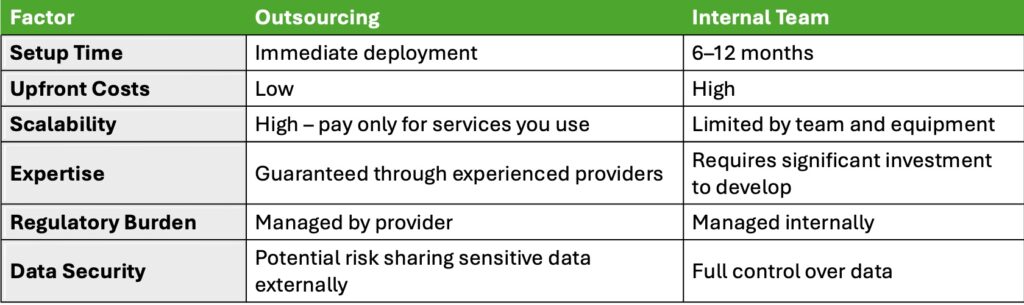
    It might be tempting to handle drone operations in-house to save on costs, but the risks often outweigh the rewards. While DIY drone operation may appear cost-effective initially, the potential legal liabilities, safety concerns, and insurance complications can lead to significant unforeseen expenses. In contrast, professional drone service providers invest heavily in understanding and adhering to all 2024 drone regulations and safety protocols, minimizing risks to your company.

    The Value of Professional Drone Service Providers (DSPs)

    As a professional drone service provider, I’ve invested time and resources into obtaining the necessary certifications and staying abreast of regulatory changes. This expertise allows me to navigate the complex regulatory landscape, ensuring that your construction projects benefit from drone technology without the associated risks.

    Professional providers bring experience and specialized knowledge that can prevent costly mistakes, making them a valuable partner in integrating drones into your construction workflow.

    Conclusion

    There is no doubt integrating drones into your construction projects can offer significant benefits, but it requires a deep understanding of the 2024 FAA drone regulations and compliance. The risks of operating without this knowledge are too great to ignore. That’s why I always recommend consulting with an established drone service provider who can help you navigate these complexities, ensuring your operations are safe, legal, and efficient.

    For the latest information on drone regulations and how to integrate drones into your construction workflows, consider reaching out to a professional drone service provider. It’s an investment in peace of mind and project success.

    From The Editor:

    Do you need to hire a professional drone service provider for your project?  To speak to an aerial data specialist, fill out a form, email us or for even faster response times, give us a call at (833) FLY-4YOU or (833) 359-4968.  Check out our transparent pricing at https://www.aerialdecisions.com/drone-photography-pricing/ and watch this space as we expand on the above topics and more over the coming weeks and months.  

    If you like this post, feel free to click the share button at the bottom of the page.  We appreciate you helping us by spreading the content we share on our blog.

  • What is the Future of Drones in Construction?

    What is the Future of Drones in Construction?

    In the rapidly evolving landscape of commercial construction, drone technology has emerged as a game-changer. The adoption of drones in project management is no longer a novelty but a growing necessity, driven by the need for enhanced efficiency, safety, and cost-effectiveness. But just how prevalent is this technology in the construction industry today, and what are the implications of adopting—or delaying—the use of drones?

    The First Time I Saw Drones in Construction

    I remember the first time I saw a drone zip through the air over a construction site. It was like watching a sci-fi movie—except this was real, and it wasn’t just about impressing the crowd. That little gadget was gathering data faster than I could finish my second cup of coffee. It mapped the site, identified potential issues, and even gave us a live feed that made me feel like I was in a high-stakes video game. I thought, “This is it. This is the future.”

    Turns out, I wasn’t the only one thinking this way. By 2024, about 20% of the big construction firms had jumped on the drone bandwagon. Why? Because these flying machines are changing the game. The construction drone market is expected to hit $6.99 billion by the end of this year, and experts are predicting it’ll soar to $12.27 billion by 2028. That’s some serious growth.

    Features and Benefits Driving Early Drone Adoption

    Early adopters of drone technology in construction have been quick to leverage its many advantages. Drones provide real-time aerial footage and comprehensive site mapping, which are invaluable for pre-planning, progress tracking, and safety inspections. For instance, drones can create 3D maps and orthomosaic images that offer precise measurements and detailed visual data. This capability allows project managers to identify potential issues before they escalate, ultimately reducing the risk of costly delays and rework.

    Additionally, drones improve site safety by minimizing the need for workers to enter hazardous areas. Instead of sending a worker to inspect the edge of a sinkhole or the roof of a condemned building, a drone can perform the task safely from the air. This not only protects workers but also ensures that safety inspections are thorough and frequent.

    The Cost of Ignoring the Future

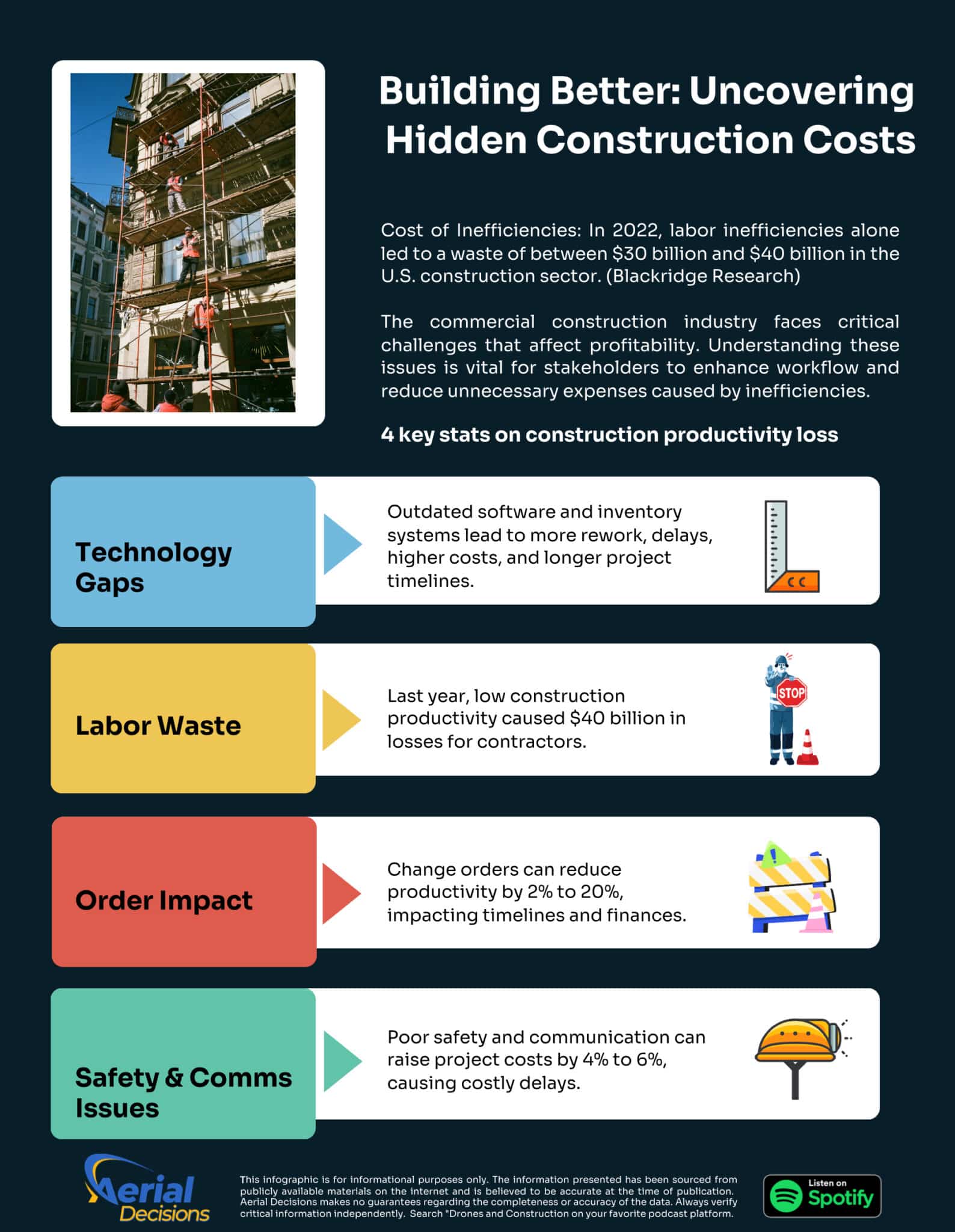
    Here’s where it gets serious, though. If you’re dragging your feet on adopting drones for construction, you might want to reconsider. Sure, traditional methods have worked fine for years, but the cost of sticking to the old ways is creeping up. Drones cut down on labor, reduce the need for expensive equipment like cranes, and can survey a site faster than I can finish that aforementioned cup of coffee (seriously, coffee is a theme here).

    But the real kicker? The opportunity cost. If you’re not using drones, your competitors probably are, and they’re reaping the benefits—better project timelines, improved safety records, and lower costs. Meanwhile, you’re stuck with outdated methods and probably a bit more mud on your boots than necessary.

    Looking Ahead: The Future of Drones in Construction

    As a Drone Service Provider (DSP), I’m excited about the future of this technology in the construction industry. The rapid growth of the construction drone market is a clear indication that drones are not just a passing trend but a fundamental shift in how projects are managed and executed.

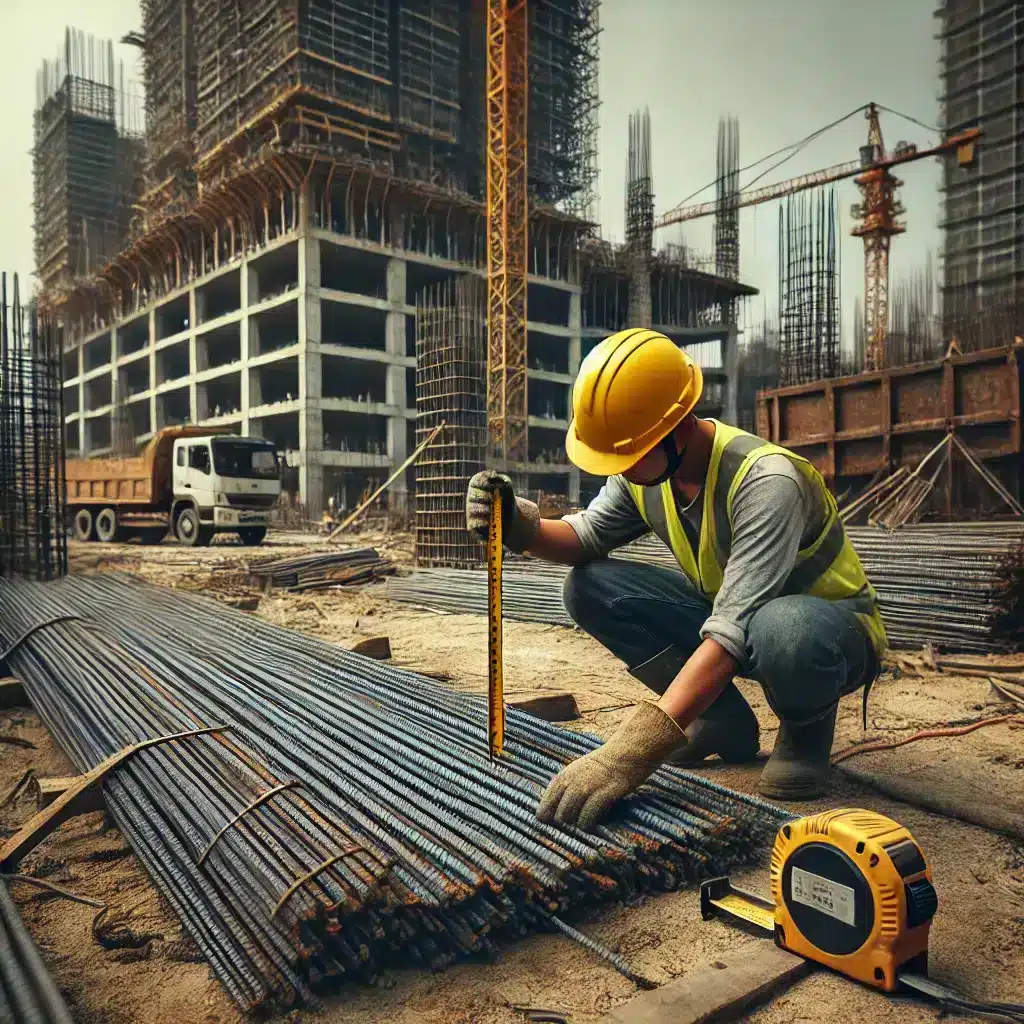
    Construction Worker Measuring Rebar
    Construction worker evaluates stockpile needs

    For construction companies looking to maintain a competitive edge, the integration of drone services is no longer optional—it’s essential. The ability to deliver real-time, accurate data, enhance safety, and reduce costs makes drones an invaluable asset on any construction site.

    In the coming years, I anticipate that we’ll see even more innovative applications of drone technology in construction, from AI-driven analytics to fully automated site monitoring. The sky, quite literally, is the limit.

    If you’re in the construction industry and haven’t yet explored how drones can benefit your projects, now is the time to start. The future is here, and it’s flying high.

    From The Editor:

    Do you need to hire a professional drone service provider for your project?  To speak to an aerial data specialist, fill out a form, email us or for even faster response times, give us a call at (833) FLY-4YOU or (833) 359-4968.  Check out our transparent pricing at www.aerialdecisions.com and watch this space as we expand on the above topics and more over the coming weeks and months.  

    If you like this post, feel free to click the share button at the bottom of the page.  We appreciate you helping us by spreading the content we share on our blog.

  • The Future of Drones in Building Information Modeling (BIM)

    The Future of Drones in Building Information Modeling (BIM)

    Hey there! I’m always excited to share with you how drones are making waves in the construction industry, especially when it comes to Building Information Modeling (BIM). As a Drone Service Provider (DSP), We’ve seen firsthand the incredible impact these flying marvels have on project planning, design, and management. Let’s dive into how drones are currently being used to integrate with BIM software and why this synergy is a game-changer for construction.

    Understanding BIM

    First things first, let’s talk about BIM. Building Information Modeling (BIM) is an intelligent, model-based process that gives you insights and tools to plan, design, construct, and manage buildings and infrastructure more efficiently. Think of it as a super-detailed digital blueprint that helps everyone involved in a project stay on the same page. The beauty of BIM is that it integrates diverse data to facilitate better decision-making and coordination among stakeholders.

    The Role of Drones in Construction

    Now, enter drones. These little guys have become indispensable in construction. From site surveys and inspections to progress tracking, drones do it all. They can quickly gather vast amounts of data, access hard-to-reach areas, and provide high-resolution imagery and 3D mapping. It’s like having a bird’s-eye view of your project whenever you need it.

    Here is the image of a construction engineer at his computer, examining an engineering diagram of a commercial skyscraper.
    A typical construction engineer at his computer, examining an engineering diagram of a commercial skyscraper.

    Integration of Drones with BIM

    Here’s where things get really exciting. When we integrate drone-captured data with BIM models, the results are astounding. Drones can capture aerial images and videos, generate 3D point clouds, and create real-time updates for BIM models. Using tools and software like Autodesk’s ReCap and Bentley’s ContextCapture, we can seamlessly incorporate drone data into BIM workflows. This integration brings a whole new level of detail and accuracy to BIM models.

    Advantages of Drone-BIM Integration

    Let me tell you about some of the amazing benefits we’ve seen:

    1. Enhanced Accuracy: Drones provide high-precision data, which means our BIM models are incredibly accurate.
    2. Improved Visualization: Real-time updates and detailed 3D maps give us a better visual understanding of the project, making planning and design more efficient.
    3. Efficient Monitoring: With drones, we can monitor construction sites in real time, ensuring our BIM models are continuously updated.
    4. Streamlined Communication: The detailed and accurate data from drones improve communication and collaboration among project stakeholders, reducing errors and delays.
    3-D image of the multifunctional community recreational center under construction
    3-D image of the multifunctional community recreational center under construction

    Future Potential and Innovations

    Looking ahead, the future of Drones in Building Information Modeling is bright. Advancements in AI, machine learning, and autonomous flight technology will further enhance what drones can do. Imagine drones performing more complex tasks autonomously—it’s not far off! These innovations will bring even greater efficiencies and cost savings to the construction industry.

    Challenges and Considerations

    Of course, integrating drones with BIM isn’t without its challenges. Construction managers have had to tackle technical and operational issues, like data processing and integration. Regulatory and legal considerations are also a big deal, as drone pilots, in-house and outsourced, must all comply with local and federal aviation laws. But with best practices and standard operating procedures, we’ve been able to navigate these challenges successfully.

    Conclusion

    In a nutshell, drones are revolutionizing BIM by providing detailed, real-time data that enhances the accuracy and efficiency of construction projects. Staying updated with these technological advancements is crucial for harnessing the full potential of drone-BIM integration.

    So, there you have it! Drones and BIM are a match made in construction heaven, and I’m thrilled to be a part of this exciting journey. If you’re in the construction industry, it’s time to explore how drones can transform your projects. Happy building!

    Additional Resources

    Visuals and Media

    From The Editor:

    Do you need to hire a professional drone service provider for your project?  To speak to an aerial data specialist, fill out a form, email us or for even faster response times, give us a call at (833) FLY-4YOU or (833) 359-4968.  Check out our transparent pricing at https://www.aerialdecisions.com/drone-photography-pricing/ and watch this space as we expand on the above topics and more over the coming weeks and months.  

    If you like this post, feel free to click the share button at the bottom of the page.  We appreciate you helping us by spreading the content we share on our blog.

  • Top Drone Software Features for the Construction Industry

    Top Drone Software Features for the Construction Industry

    I love introducing prospective clients to the benefits of advanced drone software for commercial construction and seeing their excitement as they realize its potential for their projects. There’s a spark in their eyes when they understand how helpful drones can be, and you can see their minds racing with all the potential benefits.

    Drone software for construction progress monitoring is advancing as fast as, if not faster than, drone technology itself. Project managers who leverage leading drone software can significantly enhance their project management and efficiency across all phases of construction: pre-construction, construction, and post-construction.

    Why Hire a Drone Service Provider Using Advanced Drone Software?

    Advanced drone software is revolutionizing construction progress monitoring with its sophisticated capabilities. Here are five key features that project managers can utilize to better manage ongoing construction projects through all three phases:

    Enhanced Data Accuracy and Detail

    Pre-construction: During the initial phase, drone software helps in generating inch-accurate topographical surveys and 3D models of the site. This precise data is crucial for site planning and assessing site conditions before breaking ground.

    Construction: As the project progresses, drones capture high-resolution imagery to document key structural elements and track daily progress. This ensures that every detail is accurately recorded and monitored.

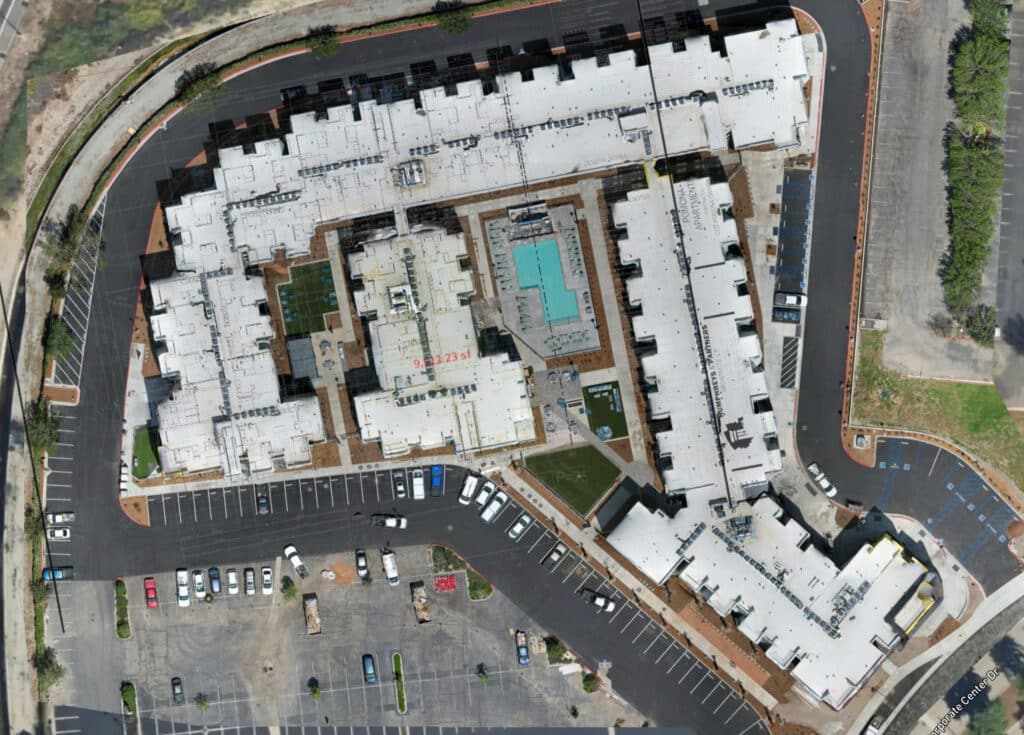
    Orthomosaic of Commercial Construction Site
    Orthomosaics are Invaluable Tools for Construction Project Managers

    Post-Construction: At the project’s conclusion, drone software provides detailed documentation of the completed structure, including as-built 3D models that reflect the final state of the project for handover to clients and stakeholders.

    Improved Efficiency and Cost Savings

    Pre-construction: Automated site surveys and volumetric measurements of stockpiles and earthworks reduce the need for time-consuming manual labor. This accelerates the site preparation phase and optimizes resource allocation.

    Construction: During the build, regular drone flights streamline progress monitoring, allowing for real-time adjustments and minimizing delays. This reduces costs associated with project overruns and labor inefficiencies.

    Post-Construction: Efficient final inspections and comprehensive documentation ensure a smooth handover process, saving time and reducing costs related to post-project corrections and adjustments.

    Real-Time Progress Monitoring

    Pre-construction: Drone progress monitoring can be done weekly, bi-weekly, or monthly depending on the project’s needs. Initial site assessments and planning can be continuously updated with real-time data from regular drone flights, ensuring that any changes in site conditions are promptly addressed.

    Construction site stockpile measurements
    Drone processing software can easily assist project managers measure site inventory

    Construction: Throughout the construction phase, advanced drone software enables frequent and consistent monitoring, providing real-time updates and progress reports. Stockpile measurements and materials inventory are easy to measure and share with internal teams responsible for monitoring and re-ordering important equipment and supplies. This helps project managers quickly identify and rectify issues, ensuring the project remains on schedule.

    Post-Construction: After construction is complete, real-time data from drones can be used to verify that all aspects of the project meet the required specifications, ensuring quality and completeness.

    Enhanced Safety for Company Personnel

    Pre-construction: Drones can safely survey potentially hazardous areas of the site, identifying risks before construction begins and helping to plan safer workflows.

    Construction: During the build, drones reduce the need for personnel to access dangerous or hard-to-reach areas for inspections, which are typically done using scaffolding, swing stages, man lifts, or bucket trucks. This minimizes the risk of accidents and enhances overall site safety.

    crew on scaffolding inspecting building facade
    Construction crews take significant risks to inspect building exteriors on scaffolding inspecting building facades.

    Post-Construction: Final inspections using drones can safely document the condition of elevated or hazardous areas, ensuring thorough safety assessments without exposing workers to risks.

    Better Stakeholder Communication and Collaboration

    Pre-construction: High-resolution images and 3D models created during the planning phase can be shared with all stakeholders to ensure everyone has a clear understanding of the project scope and site conditions from the outset.

    Construction: Regularly updated progress reports, including orthomosaic maps and 3D models, enhance communication among project teams and stakeholders, ensuring that everyone is informed and aligned throughout the build.

    Engineer Working on Construction Plans on Computer
    Architects and Engineers Use a Variety of Software Applications to Manage Commercial Construction Projects

    Post-Construction: Detailed final reports and visual documentation facilitate effective communication during the project handover, ensuring that clients and stakeholders have a comprehensive understanding of the completed work.

    Here are three case studies highlighting the success of commercial construction companies using drone data collection software like DroneDeploy:

    McCarthy Building Companies

    McCarthy Building Companies, a leading construction firm, has significantly benefited from integrating drones into their project workflows. By using drone data, they improved communication on-site and with stakeholders, keeping projects on track and under budget. Ryan Moret, Field Solutions Manager at McCarthy, emphasized that drones provide valuable aerial insights that improve progress tracking and help catch problems early, preventing costly delays. McCarthy Building Companies Case Study

    Brasfield & Gorrie General Contractors

    Brasfield & Gorrie, one of the largest privately held construction firms in the U.S., implemented drones to enhance their operational efficiency. They reported a dramatic reduction in the time and cost associated with traditional surveying methods. Hunter Cole from Brasfield & Gorrie noted that using drones reduced a process that typically took 2-3 weeks and tens of thousands of dollars to just 1-4 days with minimal investment in equipment and software. The Rise of Drones in Construction

    Chasco Constructors

    Chasco Constructors leveraged drones to monitor progress across 17 job sites in Texas. This approach allowed them to track the construction process more efficiently, ensuring timely completion and adherence to project specifications. The integration of drone technology helped Chasco save time and resources, highlighting the practical benefits of real-time aerial data in large-scale construction management. Chasco Case Study

    These case studies illustrate how leading construction companies are successfully using drone project analysis software to improve project management, enhance safety, and achieve significant cost and time savings.

    Conclusion

    By hiring a drone service provider that uses advanced drone software, you’ll be leveraging cutting-edge technology to enhance data accuracy, improve efficiency, ensure safety, and foster better communication throughout all phases of construction. Let us help you take your construction project management to the next level with our comprehensive drone services. Reach out to us today to learn more about how we can support your project with our advanced drone solutions.

    From The Editor

    Do you need to hire a professional drone service provider for your project?  To speak to an aerial data specialist, fill out a form, email us or for even faster response times, give us a call at (833) FLY-4YOU or (833) 359-4968.  Check out our transparent pricing at www.aerialdecisions.com and watch this space as we expand on the above topics and more over the coming weeks and months.  

    If you like this post, feel free to click the share button at the bottom of the page.  We appreciate you helping us by spreading the content we share on our blog.

  • Drone Construction Progress Monitoring Challenges

    Drone Construction Progress Monitoring Challenges

    Drones have become an integral part of documenting progress workflows for most commercial construction projects.  Construction managers inevitably face the decision of when to pivot from regularly sourcing 3rd party drone service providers (DSPs) to building an internal drone team.  While the urge to build an internal team from the start is tempting, there are many factors to consider before making that leap.

    As a certified and insured commercial drone pilot having flown many construction monitoring missions, I understand the complexities involved in ensuring successful outcomes on every project. When considering the option of internalizing drone operations, commercial construction project managers must carefully weigh the challenges and potential pitfalls that come with this decision. 

    In this blog post, I’ll highlight the key mission preparation elements from the perspective of a drone service provider and discuss the challenges project managers may face if they opt for internal operations without the proper expertise and resources.

    Construction Manager Meets with Drone Service Provider in the Field
    Construction project manager meets with the Drone Service Provider (DSP) Pilot in the field

    Flight Planning

    Flight planning is a critical component of any construction monitoring mission, requiring careful consideration of site layouts, airspace restrictions, and potential hazards. As a certified and insured DSP, we invest significant time and resources into developing comprehensive flight plans that optimize coverage while minimizing risks. Project managers must recognize the complexities involved in effective flight planning and the potential consequences of overlooking key considerations. Without the necessary expertise, internal operators may struggle to develop safe and efficient flight paths, increasing the risk of accidents or disruptions to construction operations.

    Risk Assessment

    Conducting a thorough risk assessment is essential for mitigating hazards and ensuring the safety of drone operations. Professional DSPs have the experience and knowledge to identify potential risks and implement appropriate safety measures. In contrast, internal operators may lack the expertise to conduct comprehensive risk assessments, leaving them vulnerable to unforeseen dangers. Construction project managers must consider the potential consequences of inadequate risk management, including costly damages, injuries, and liability issues.

    Pilot-in-Charge (PIC) checks drone for proper operations
    Pilot-in-Charge (PIC) checks drone for proper operations

    Equipment Check

    Maintaining drone equipment in optimal condition is crucial for reliable performance and data accuracy. Professional drone service providers adhere to rigorous maintenance protocols to ensure that all equipment is in proper working order before each flight. Without the proper training and resources, internal operators may struggle to perform thorough equipment checks, increasing the risk of technical failures or malfunctions during missions. Project managers must weigh the cost savings of internal operations against the potential costs of equipment damage and downtime.

    Communications

    Effective communication is essential for coordinating drone operations with construction teams and other stakeholders. Professional drone service providers establish clear communication channels to ensure that everyone is informed and aligned throughout the project. In contrast, internal operators may face challenges in effectively communicating with external parties, leading to misunderstandings or delays. Project managers must consider the potential impact of communication breakdowns on project timelines and deliverables.

    Law Book
    At the core of every drone mission are essential FAA rules for conducting proper and safe flight operations.

    Regulatory Compliance

    Navigating regulatory requirements is a fundamental aspect of drone operations, with strict guidelines set forth by the FAA. Professional drone service providers are well-versed in regulatory compliance and ensure that all operations adhere to legal standards. Internal operators may lack the necessary knowledge and experience to navigate complex regulations, putting the project at risk of fines or penalties. Project managers must prioritize compliance and consider the potential consequences of regulatory violations on project outcomes and reputation.

    Summary

    While internalizing drone operations may offer potential cost savings, commercial construction project managers must carefully consider the challenges and risks involved. By partnering with professional drone service providers, project managers can leverage expertise, resources, and experience to ensure the success and safety of construction monitoring missions. Cutting corners on technical requirements, safety considerations, and regulatory compliance can result in costly damages, injuries, and legal liabilities, underscoring the importance of making informed decisions when integrating drones into construction projects.

    From The Editor:

    We’d love to hear your thoughts on matters pertaining to the safe, professional, and ethical operation of drones. Please check our website at www.aerialdecisions.com and watch this space as we expand on the above topics and more over the coming weeks and months.  If you like this post, feel free to click the share button at the bottom of the page.  We appreciate you helping us by spreading the content we share on our blog.

  • Why Orthomosaics are Important to the Construction Industry

    Why Orthomosaics are Important to the Construction Industry

    Drone Service Providers (DSPs) that specialize in data collection services for the commercial construction industry offer a vital tool for construction project managers: Orthomosaics. These images, sometimes called Ortho-Rectified Images, provide a bird’s-eye view of the ongoing commercial construction project, giving managers a clear and detailed overview of the site’s progress.

    What is an Orthomosaic Image?

    Let me break down what an orthomosaic is and why it’s different from a regular drone image.

    Imagine you’re putting together a big puzzle, but instead of using puzzle pieces, you’re using thousands of tiny pictures taken from above by a drone. Each picture is like a puzzle piece, capturing a small part of the area you want to map, like a construction site. 

    Orthomosaics are ortho-rectified images
    Orthomosaics are ortho-rectified images that minimize the impact of the earth’s natural curvature.

    How is an orthomosaic unique?

    Now, let’s talk about what an orthomosaic does. An orthomosaic is like creating a giant, super-detailed map of that construction site by stitching all those little pictures together. It’s not just a simple collage; it’s more like creating a seamless, bird’s-eye view image that accurately represents every detail of the site, almost like you’re looking straight down from above.

    Why an orthomosaic is different from a regular drone image:

    • Accuracy: An orthomosaic corrects any distortions or variations caused by the angle and altitude of the drone, giving you a precise and accurate representation of the site. So, it’s like having a perfectly straight-down view, even though the drone might have been flying at an angle.
    • Consistency: Every part of the orthomosaic fits together seamlessly, like pieces of a puzzle. This consistency is crucial for tasks like measuring distances, areas, and tracking changes over time on the construction site.
    • Detail: Since an orthomosaic combines numerous images, it captures a tremendous amount of detail. You can zoom in and see things with much more clarity compared to a single drone image, making it incredibly useful for analyzing the site in depth.

    So, in essence, an orthomosaic is like creating a super-accurate, detailed map of a construction site by piecing together thousands of drone photos. It helps you see the big picture while also allowing you to zoom in and examine the tiniest details, making it an invaluable tool for construction planning, progress tracking, and analysis.

    Image of Construction Planning
    Construction engineers use data collected from drones to manage complex build details

    Construction Project Managers love orthomosaics

    For project managers, having a regular supply of ortho-rectified images is like having a constantly updated blueprint of the construction site. They can track progress, identify potential issues, and make informed decisions without needing to physically visit the site each time. This saves time and ensures that the project stays on track.

    Why Construction Engineers love em’ too!

    Engineers can utilize computational tools to analyze these images and manage day-to-day operations more efficiently. For example, they can use software to measure distances, areas, and volumes accurately. They can also overlay design plans onto the images to compare progress against the original blueprint, ensuring everything is being built according to specifications.

    Benefits of orthomosaics in commercial construction

    Sharing this data with key stakeholders is crucial for highlighting regular progress on the project. By providing stakeholders with access to updated ortho-rectified images and related computational analyses, project managers can keep everyone informed and engaged. This transparency builds trust and confidence in the project’s progress and allows stakeholders to provide feedback or make adjustments as needed.

    Overall, the combination of ortho-rectified images and computational tools offers construction project managers and engineers a powerful way to manage and track the day-to-day operations of commercial construction projects. Sharing this data with key stakeholders ensures transparency and facilitates collaboration, ultimately leading to successful project completion.

    From The Editor:

    Do you need to hire a professional drone service provider for your construction project?  To speak to an aerial data specialist, fill out a form, email us or for even faster response times, give us a call at (833) FLY-4YOU or (833) 359-4968.  Check out our transparent pricing at https://www.aerialdecisions.com/drone-photography-pricing/ and watch this space as we expand on the above topics and more over the coming weeks and months.  

    If you like this post, feel free to click the share button at the bottom of the page.  We appreciate you helping us by spreading the content we share on our blog.

  • How Drones & Software Enhance Inventory Control

    How Drones & Software Enhance Inventory Control

    As a veteran Drone Service Provider (DSP) that specializes in construction progress monitoring, we’ve grown to appreciate just how much our commercial construction clients rely on us delivering the capabilities of generating regular stockpile measurements.  Stockpile measurements are critical for organizing and managing material and critical supplies ordering and replenishing, essential components for the ongoing production of any construction project.

    What are Stockpile Measurements used for?

    Inventory Management: Stockpile measurements help construction project managers and key team members keep track of the quantity of materials available on-site. This information is essential for ensuring that there is an adequate supply of materials to support ongoing construction activities without delays.

    Resource Planning: By knowing the volume of materials in stockpiles, construction project teams can plan resource allocation more effectively. This includes determining when to order more materials to replenish stockpiles and avoid shortages that could halt construction progress.

    Cost Management: Accurate stockpile measurements allow project managers to better manage costs by preventing over-ordering or under-ordering of materials. This helps to optimize budgets and avoid unnecessary expenses.

    Space Optimization: Understanding the volume of materials in stockpiles helps optimize the layout of the construction site. By strategically arranging stockpiles, managers can maximize available space and improve workflow efficiency.

    Quality Control: Regular stockpile measurements enable internal teams to monitor the quality of materials over time. This helps to identify any issues such as degradation or contamination early on, allowing for timely corrective action to maintain construction quality standards.

    Internal team members depend heavily on accurate stockpile measurements to make informed decisions about material usage and ordering. By having precise data on the quantity and status of materials on-site, construction project managers can anticipate when supplies are running low and proactively order more, thereby avoiding costly delays in construction timelines. Furthermore, these measurements aid in optimizing storage space and preventing overstocking, which can tie up capital and create unnecessary clutter on the site.

    Stockpile Measurements of a Construction Dirt Pile
    Software Can Convert Regular Drone Images to an Ortho Rectified Image thus Enabling Accurate Stock Pile Measurements

    How Drones Have Changed the Stockpile Measurement Game

    Traditionally, obtaining stockpile measurements involved manual methods that were time-consuming and prone to errors. However, the advent of drone technology has revolutionized this process, providing a faster, more accurate, and less labor-intensive solution. Tools like DroneDeploy have become invaluable in streamlining data collection by allowing us to quickly capture high-resolution aerial imagery, called Orthomosaics, of construction sites. 

    The integration of drone technology into stockpile and inventory management has brought about several significant advantages for our clients. One of the most notable benefits is the ability to collect volumetric data in near real-time. Drones equipped with advanced sensors can capture detailed information about stockpile quantities without the need for manual measurement or site visits. This enables construction project managers to monitor stockpile levels remotely and make informed decisions promptly.

    Orthomosaic of Commercial Construction Site
    Orthomosaics are Invaluable Tools for Construction Project Managers

    Drones Deliver Highly Sharable Data

    Additionally, drone technology facilitates the sharing of mission-critical data with internal stakeholders located in different offices, across the country, or even across the ocean. Through cloud-based platforms like DroneDeploy, volumetric data can be uploaded and shared seamlessly, fostering collaboration and ensuring that all team members have access to the same accurate information. This level of accessibility and transparency is essential for maintaining alignment and driving project success.

    In summary, volumetric or stockpile measurement data collection depends on drone technology to create efficiencies at scale. By leveraging drones and innovative tools like DroneDeploy, construction project managers can streamline the process of gathering and analyzing stockpile data, leading to better decision-making and more effective management of materials and critical supplies. This not only saves time and resources but also enhances overall project outcomes, ultimately contributing to the success of commercial construction endeavors.

    From The Editor

    Do you need to hire a professional drone service provider for your project?  To speak to an aerial data specialist, fill out a form, email us or for even faster response times, give us a call at (833) FLY-4YOU or (833) 359-4968.  Check out our transparent pricing at https://www.aerialdecisions.com/drone-photography-pricing/ and watch this space as we expand on the above topics and more over the coming weeks and months.  

    If you like this post, feel free to click the share button at the bottom of the page.  We appreciate you helping us by spreading the content we share on our blog.

  • The Future of Drone Surveying and Mapping for the Construction Industry

    The Future of Drone Surveying and Mapping for the Construction Industry

    Drones are becoming increasingly popular in the construction industry, and for good reason. Drones offer a number of advantages over traditional surveying and mapping methods, including:

    • Speed and efficiency: Drones can survey and map large areas quickly and easily, which can save time and money.
    • Accuracy: Drones can collect high-resolution data that is highly accurate, even in difficult-to-access areas.
    • Safety: Drones are used to survey and map dangerous or inaccessible areas without putting workers at risk.
    • Cost-effectiveness: Drones can be a cost-effective way to survey and map construction sites, especially for large or complex projects.

    What is Drone Surveying and Mapping?

    Drone surveying and mapping is the process of using drones to collect data about a physical object or area. This data is then used to create maps, models, and other visualizations.

    Drone surveying and mapping is used for a variety of purposes in the construction industry, including:

    • Site planning and design
    • Progress monitoring
    • Quantity takeoff
    • As-built documentation
    • Safety inspections
    • Damage assessment
    • Environmental monitoring
    Drone hovering over an active construction site
    Drones provide a variety of cost saving benefits to the construction industry

    How Construction Companies use Drones for Surveying and Mapping

    Here are a few examples of how today’s commercial construction companies are using drones for surveying and mapping missions:

    • Site planning and design: Drones are used to survey a construction site and create a 3D model of the area. These models used to plan the layout of the site, design the building, and estimate the cost of the project.  
    • Progress monitoring: Drones are used to track the progress of a construction project over time. This helps to ensure that the project is on schedule and within budget.  
    • Quantity takeoff: Drones are used to measure the volume of materials on a construction site. This information is used to create accurate estimates and ensure that the project is completed on time and within budget. 
    • As-built documentation: Drones are used to create a detailed record of a construction project as it is built. This documentation is used for future reference or to make changes to the project. 
    • Safety inspections: Drones are used to inspect construction sites for safety hazards. This helps to prevent accidents and injuries. 
    • Damage assessment: Drones are used to assess the damage to a construction site after an accident or natural disaster. This information is often used to make repairs and prevent further damage. 
    • Environmental monitoring: Drones are used to monitor the environmental impact of a construction project. This helps to ensure that the project is being conducted in an environmentally responsible manner. 
    Construction Site Walk-Through
    Construction Workers Walking a Job Site

    The Future of Drones for Surveying and Mapping for the Commercial Construction Industry

    The use of drones in surveying and mapping is rapidly expanding in the construction industry. As drone technology continues to develop, we can expect to see even more innovative and groundbreaking applications for drones in the years to come.

    Some of the potential future applications of drones in surveying and mapping for commercial construction include:

    • Real-time monitoring: Drones are used to monitor construction sites in real time, which helps to identify and address problems early on.
    • Automated data collection: Drones can be programmed to collect data automatically, which can free up workers to focus on other tasks.
    • 3D printing: Drones are often used to create 3D models of construction sites, which can then be used for 3D printing.

    In conclusion, the integration of drones into surveying and mapping processes has ushered in a new era for commercial construction. Companies like Skanska, Wingtra, and Environmental Works have demonstrated the immense potential of drones in improving efficiency, accuracy, and safety across construction projects. As a drone service provider, I am excited about the limitless possibilities and advancements that lie ahead in this rapidly evolving field. The future of drones in surveying and mapping for commercial construction is bound to be even more remarkable, and Aerial Decisions is excited to continue delivering surveying and mapping services to the industry.

    From The Editor

    Do you need to hire a professional drone service provider for your project?  To speak to an aerial data specialist, fill out a form, email us or for even faster response times, give us a call at (833) FLY-4YOU or (833) 359-4968.  Check out our transparent pricing at https://aerialdecisions.com/drone-photography-pricing/ and watch this space as we expand on the above topics and more over the coming weeks and months.  

    If you like this post, feel free to click the share button at the bottom of the page.  We appreciate you helping us by spreading the content we share on our blog.

  • The Ultimate Guide to Building Internal Construction Drone Teams

    The Ultimate Guide to Building Internal Construction Drone Teams

    As a seasoned professional in the drone services industry, I understand the critical role that enterprise drones play in revolutionizing the commercial construction sector. The ability to gather real-time data, monitor progress, and enhance safety measures has made drones an indispensable tool for construction project managers. If you’re considering building an internal construction drone crew, here are a few key considerations. I have also included a list of the top 10 drones for the construction industry. While this list is by no means comprehensive, this list of drones built for the construction industry is a great place to start.

    Enterprise Drone Payload
    Enterprise Drone Payloads Can Vary Depending on the Mission Requirements

    Factors to Consider When Building an Internal Construction Drone Crew

    1. Purpose and Goals: Define the specific tasks you intend to accomplish with your drone fleet. Whether it’s site surveys, progress tracking, safety inspections, or data collection, having a clear purpose will guide your drone selection.
    2. Flight Time and Range: Opt for drones with longer flight times and extended operational ranges. This ensures wider coverage and minimizes downtime for recharging.
    3. Payload Capacity: Consider the weight of the equipment your drones need to carry, such as high-resolution cameras, LiDAR sensors, or thermal imaging cameras.
    4. Durability: Construction sites can be challenging environments. Choose drones that are rugged and designed to withstand harsh conditions.
    5. Ease of Use: A user-friendly interface and intuitive controls are essential, especially if your team is new to drone technology.
    6. Data Management: Look for drones that offer seamless data transfer and compatibility with construction software for efficient data analysis.
    7. Regulations and Compliance: Stay updated with local aviation regulations and ensure that the drones you choose comply with the necessary requirements.
    8. Training and Support: Proper training and ongoing technical support are crucial for the successful integration of drones into your construction projects.
    9. Budget: Balance your budget with the features and capabilities you require. Investing in quality drones upfront can lead to long-term cost savings.
    10. Scalability: As your projects grow, your drone fleet should be easily expandable to meet the demands of larger construction sites.

    Key Considerations When Selecting a Drone for Construction

    When selecting the ideal enterprise drone for your internal construction team, several critical factors deserve careful consideration. First and foremost, defining the precise goals you intend to achieve with the drone is essential – whether it’s site mapping, progress monitoring, or safety inspections. Flight time and operational range are crucial, ensuring extended coverage and minimized downtime.

    The drone’s payload capacity should align with the equipment it needs to carry, such as high-resolution cameras or LiDAR sensors. Durability matters, especially for the demanding construction site environment, and user-friendliness is key to ensuring seamless integration into your team’s operations. In addition, compatibility with construction software, adherence to aviation regulations, proper training, and ongoing technical support are all pivotal elements in making a well-informed choice.

    Finally, striking the right balance between your budget and the drone’s capabilities will ultimately lead to a successful addition to your construction project toolkit.

    Top 10 Drones for the Construction Industry

    1. DJI Matrice 300 RTK: Known for its robust design, long flight time, advanced RTK capabilities, and support for multiple payloads, this drone is a workhorse for large-scale construction projects.
    2. Skydio 2: With impressive obstacle avoidance and AI-powered navigation, the Skydio 2 excels at complex site inspections and close-quarters operations.
    3. SenseFly eBee X: This fixed-wing drone covers vast areas efficiently, making it perfect for aerial mapping and topographical surveys.
    4. Autel Robotics EVO II : Offering a variety of camera options including a high-resolution 8K variant, the EVO 2 is versatile for mapping, inspection, and monitoring tasks.
    5. Parrot Anafi USA: Built to meet the stringent needs of the U.S. military, this drone’s compact design, thermal imaging, and secure data transmission make it ideal for construction site security.
    6. Freefly Alta X: With heavy-lift capabilities, the Alta X is perfect for carrying substantial payloads like LiDAR sensors for detailed site scans.
    7. Yuneec H520: This reliable hexacopter features hot-swappable payloads, including high-resolution cameras and thermal imaging options.
    8. Autel Robotics Dragonfish VTOL: Vertical take-off and landing (VTOL) capability combined with long endurance make this drone suitable for large area mapping.
    9. Quantix Mapper: Designed for automated mapping, the Quantix Mapper provides high-resolution imagery and actionable data for construction planning.
    10. Intel Falcon 8+: Known for its stability in challenging conditions, the Falcon 8+ is suitable for precision measurements and inspections.
    DJI Matrice 300 RTK Drone
    DJI Matrice 300 RTK Drone

    My Top 5 Drones for Commercial Construction Demands

    1. DJI Matrice 300 RTK: The ultimate workhorse with advanced features and payload flexibility.
    2. Skydio 2: Perfect for navigating complex environments and conducting detailed inspections.
    3. SenseFly eBee X: Ideal for large-scale site mapping and topographical surveys.
    4. Autel Robotics EVO II: Versatile choice with high-resolution imaging for various construction tasks.
    5. Parrot Anafi USA: Offers secure data transmission and thermal imaging for enhanced security measures.

    Summary

    Building an internal construction drone crew requires careful consideration of various factors to ensure they align with your project needs and goals. The top 10 drones mentioned here provide an excellent starting point, with the top 5 drones catering specifically to the demands of commercial construction. By selecting the right drones, you can enhance efficiency, safety, and data-driven decision-making in your construction monitoring needs, ultimately leading to successful outcomes.

    From The Editor:

    Do you need to hire a professional drone service provider or 360 virtual walking tour for your project?  To speak to an aerial data specialist, fill out a form, email us or for even faster response times, give us a call at (833) FLY-4YOU or (833) 359-4968.  Check out our transparent pricing at https://aerialdecisions.com/drone-photography-pricing/ and watch this space as we expand on the above topics and more over the coming weeks and months.  If you like this post, feel free to click the share button at the bottom of the page.  We appreciate you helping us by spreading the content we share on our blog.